The Creation & Behaviours of a Toxic Narcissist

“Narcissists are consumed with maintaining a shallow false self to others. They’re emotionally crippled souls that are addicted to attention. Because of this they use a multitude of games, in order to receive adoration. Sadly, they are the most ungodly of God’s creations because they don’t show remorse for their actions, take steps to make amends or have empathy for others. They are morally bankrupt.” ― Shannon L. Alder, Author

The Creation

Childhood experiences play a significant role in the development of extreme narcissism in individuals. While the exact causes of Narcissistic Personality Disorder (NPD) are complex certain childhood experiences are commonly associated with the development of extreme narcissistic traits. One such experience is inconsistent or invalidating parenting, where carers fail to provide consistent love, support, and validation to the child. Inconsistent parenting can lead to feelings of insecurity and instability, as the child never knows what to expect from their caregivers. The lack of consistent emotional support can lead to the child developing a fragile sense of self-esteem and seeking external validation to fill the void. Neglect or emotional abuse can also contribute to the development of extreme narcissism; neglected or emotionally abused children may develop a deep-seated fear of abandonment and rejection, which prompts them to adopt narcissistic defences to shield themselves from further harm. They may learn to prioritise their own needs and desires above all else, viewing vulnerability or dependence on others as signs of weakness. Conversely, excessive praise or overindulgence by carers can contribute to the development of narcissistic traits. Constantly telling children they are special, unique, or superior to others may lead them to believe they deserve special treatment and admiration from others. Over indulgence can also foster a sense of entitlement and an inability to tolerate frustration or disappointment as the child becomes accustomed to having their every whim catered to by the parent(s).

Parental modelling plays a crucial role in shaping a child’s self-concept and interpersonal relationships. If a child grows up with narcissistic parents who model selfish, entitled, and manipulative behaviour, they may internalise these traits and adopt them as their own. Narcissistic parents may also project their own unmet needs and insecurities onto their children, expecting them to fulfil their emotional needs, which serves as a source of Narcissistic Supply which is essential for maintaining their grandiose self-image and protecting them from feelings of shame, insecurity, and inadequacy. Childhood experiences characterised by inconsistent or invalidating parenting, excessive praise or overindulgence, neglect or emotional abuse, and parental modelling of narcissistic behaviour often serve as the roots of extreme narcissism. These experiences can shape the child’s self-concept, interpersonal relationships, and worldview, leading to the development of maladaptive narcissistic traits and behaviours in adulthood.

Chronic Liars

“Pathological narcissists can lose touch with reality in subtle ways that become extremely dangerous over time. When they can’t let go of their need to be admired or recognized, they have to bend or invent a reality in which they remain special despite all messages to the contrary.” ― Bandy X Lee, The Dangerous Case of Donald Trump: 27 Psychiatrists and Mental Health Experts Assess a President

Narcissism exists on a spectrum, with some individuals displaying more extreme narcissistic traits than others. However, many people exhibit narcissistic traits such as grandiosity, entitlement, and a lack of empathy to varying degrees. They typically seek to maintain control and dominance, often at the expense of others. This behaviour serves to deflect attention away from the narcissist’s own insecurities and faults, allowing them to maintain their inflated sense of superiority and entitlement. While narcissists are relatively rare in the general population, individuals often exhibit narcissistic traits to varying degrees. Estimates place the prevalence of narcissists in the general population between 1% and 6%, with higher rates in certain professions or industries that reward grandiosity and self-promotion. Narcissists often tell lies repeatedly as a means of manipulating others and maintaining their pretence of superiority and perfection. They may exaggerate their accomplishments, talents, or abilities in order to garner admiration and validation from others or to cover up their own insecurities and shortcomings. Inventing false achievements and awards serves a similar purpose, allowing them to bolster their self-image and project an aura of success and accomplishment to others.

The false narratives created by narcissists serve several purposes. Firstly, they help to maintain the narcissist’s inflated sense of self-importance and superiority, allowing them to feel superior to others and maintain control over their environment. Secondly, they serve as a means of gaining attention, admiration, and validation from others, feeding the narcissist’s insatiable need for admiration and approval. Fake narratives allow narcissists to avoid feelings of shame, inadequacy, and vulnerability by projecting a false image of confidence, competence, and success to the world. They will tell lies consistently, invent false achievements and awards for themselves as a means of manipulating others, maintaining their pretence of superiority, and avoiding feelings of inadequacy and vulnerability.

Negative Impact on Relationships

“The lives of narcissists are built upon falsehoods. They show no concern for the harm caused by their lies, as empathy towards others is absent. This lack of empathy renders them highly perilous and untrustworthy.” ― Tracy Malone, Narcissistic Abuse Coach 

Narcissists frequently engage in deceitful behaviours such as lying, manipulation, and Gaslighting to maintain control, bolster their self-image, and the constant dishonesty of a narcissist can have profoundly negative impacts on their personal relationships. When a narcissist consistently lies or distorts the truth, their partners and loved ones may become sceptical and question the reliability of their words and actions. This lack of trust undermines the foundation of the relationship and can lead to feelings of betrayal, resentment, and emotional distance. Narcissistic dishonesty also undermines communication and intimacy in relationships. Effective communication requires honesty, transparency, and vulnerability, but they often prioritise their own agenda and manipulate information to serve their own interests. This dishonesty creates barriers to authentic connection and prevents meaningful dialogue, leaving partners feeling misunderstood, invalidated, and emotionally disconnected. In addition, this dishonesty perpetuates a cycle of conflict and dysfunction; when a narcissist lies or denies reality to avoid accountability for their actions, it can lead to ongoing tension, arguments, and power struggles within the relationship. Partners may feel frustrated, deceived and invalidated by the narcissist’s refusal to acknowledge the truth, leading to increased resentment and hostility over time. An individual’s self-esteem, mental health, and sense of reality can suffer from constant exposure to lies, manipulation, and Gaslighting. Partners of narcissists may experience confusion, self-doubt, and emotional distress as they struggle to navigate the complexities of their relationship with a dishonest and manipulative partner.

The constant dishonesty of a Narcissist profoundly undermines trust, communication, intimacy, and emotional well-being in personal relationships. Partners of narcissists often find themselves trapped in a cycle of deception, manipulation, and conflict, unable to establish a foundation of trust and authenticity. Addressing narcissistic dishonesty requires recognising and confronting manipulative behaviours, setting boundaries, and seeking support from trusted individuals or professionals to navigate the complexities of the relationship. Having observed this type of behaviour myself, I have concluded there are zero positive benefits involved with associating with individuals who are clearly dishonest. If you suspect you have a Narcissist in your life, it is highly recommended that you either severely limit or completely terminate any further interaction.

© Nigel Beckles

Friendship Red Flags

“What a desperate, pathetic fool I was. Time after time, my “friends” had shown me their true colours. Yet, I still wanted to believe they were sorry for causing me pain.” – Jodee Blanco, Please Stop Laughing at Me. One Woman’s Inspirational Story

Warning Signs

Managing friendships can be a complicated process that is influenced by a number of different factors , including personality, ideals, and life circumstances. While it’s vital to keep an open mind and provide people the chance to establish a sincere relationship, there are some people that should never be considered when establishing or sustaining a friendship. Character types to stay away from include:

Extremely Harmful or Toxic

These people are the ones who always bring drama, negativity, or poison into your life. They could be an energy drain, a continual source of criticism, or the source of needless arguments.

Controlling or Manipulative

Individuals that attempt to control or manipulate you for their personal gain. To get their way, they might employ strategies like guilt-tripping, gaslighting, or coercion, and they might not have your best interests in mind.

Not Trustworthy or Consistent

Those who repeatedly abandon arrangements, break promises, or fail to follow through on their obligations. Developing a friendship with an untrustworthy person might cause disappointment and anger.

Judgmental or Close-Minded

People who are quickly to judge or criticise others without taking into account alternative viewpoints are considered judgmental or closed-minded. They are often cannot be open to hearing different points of view or be intolerant of diversity.

Competitive, Envious or Jealous

These types of people may feel intimidated by your achievements and see friendships as contests. To stroke their own ego, they could try to outdo you or downplay your accomplishments.

Deceitful or Dishonest

It is very challenging to establish a true and sincere friendship with these types because they lack integrity and honesty in their dealings and may lie, distort the truth, or violate your confidence.

Self-Centered or Narcissistic

Will brutally put their own demands and wants ahead of other people’s. They typically just pretend to be engaged in friendships that profit them in some manner, and they frequently lack empathy or care for the feelings of others.

Feelings vs Facts  

“Just as thoughts are not facts, feelings are not facts either. Emotions are information, but when that information is powerful, intense, and loud, as emotions can be, then we are more vulnerable to believing in them as a true reflection of what is going on. I feel it; therefore, it must be a fact. Emotional reasoning is a thought bias that leads us to use what we feel as evidence for something to be true, even when there might be plenty of evidence to suggest otherwise.” ― Julie Smith, Why Has Nobody Told Me This Before?

In today’s world, many people believe feelings or emotions are more significant than real, verifiable facts. Our perceptions, choices, and actions are greatly influenced by our emotions, which also frequently affects how we perceive and react to information. Due to the influence of “Cognitive Biases,” which refers to mental shortcuts or thought processes that can result in errors in judgement and decision-making, there are individuals who prioritise their emotions over the facts. Strong or deeply ingrained emotions have the potential to magnify Confirmation Bias, which causes people to prioritise information that supports their feelings above that which contradicts objective facts. When people feel strong emotions like fear, anger, or love, they may emphasise acting in a way that is consistent with their emotional state over acting rationally or based on factual data. This is because emotions can be extremely effective motivators for conduct. For instance, even though statistics indicate that flying is a safe form of transportation, a person who has a severe fear of flying could prioritise avoiding it. A person’s sense of self can become intricately entwined with emotionally charged beliefs or ideals, causing them to give precedence to their emotional attachments above objective facts. For example, a person who has a strong belief in a specific political ideology while considering a particular topic could put their emotional allegiance towards their political organisation ahead of factual accuracy while ignoring the facts of the matter.

How does all of this connect to the subject of friendships? There is a widespread misperception about how important it is to maintain friendships made in in formative years. This is one of the classic pitfalls people fall victim to when one person’s values change or diverge towards a negative path concerning their values or worldview but the other person ignores the obvious evidence that their friendship is no longer viable, often due to feelings of loyalty. Long-term relationships are of course valuable, but we must recognise that people and dynamics change all the time, so we should be willing to let go of any connections that are no longer beneficial to us. Since one individual cannot satisfy every friend’s requirement, it might be quite sensible to be more accommodating when it comes to making new social connections. Individual variations in emotional intelligence and emotional regulation must be taken into account and greater emotional intelligence may enable some people to better comprehend and control their emotions in regard to processing factual information regardless of their personal feelings.

It is crucial to remember that everyone has the capacity for development and change, so a balanced approach to each possible new friendship with a clear awareness of your own boundaries. A current friendship should be terminated if any Red Flags have been identified. To preserve your personal limits, you may need to have direct and frank conversation. Remember, those you may frequently regard as your friends are the ones that may also betray you, not those you think of as adversaries. My policy is to put aside my personal feelings, especially loyalty, and just look at the facts about the other person’s actions from an objective perspective.

(c) Nigel Beckles

Book How to Avoid Making The BIG Relationship Mistakes!

Available @ Amazon http://tinyurl.com/5c6cyrjm

Relationship Commitment Anxiety

“Fear blocks attraction. It blocks intimacy and it blocks connection. Fear blocks love. If you want to find the love you seek, you will have to let go of fear and embrace uncertainty with open arms.”
― Sheva Rajaee, Relationship OCD: A CBT-Based Guide to Move Beyond Obsessive Doubt, Anxiety, and Fear of Commitment in Romantic Relationships

Relationship commitment anxiety is a psychological phenomenon characterized by persistent worries, fears, and uncertainties surrounding commitment in romantic relationships. Individuals experiencing commitment anxiety often grapple with doubts about the longevity and stability of their partnerships, leading to emotional distress and interpersonal challenges. This complex emotional state can manifest at various stages of a relationship, from the initial stages of commitment to more long-term commitments such as marriage.

Gender Disparities

Despite the fact that societal expectations and gender norms can have an impact on commitment anxiety, it is a universal human experience. Historically, there has been a stereotype that women are more prone to commitment anxiety. However, contemporary studies emphasize that both men and women can experience it, and the prevalence may vary based on individual differences, relationship dynamics, and cultural factors. The key lies in recognizing that commitment anxiety transcends gender, affecting individuals irrespective of their identity.

CLICK HERE FOR THE DEFEATING ANXIETY E-BOOK!

Causes

Relationship commitment anxiety or commitment phobia can have various causes, often rooted in a combination of personal experiences, psychological factors, and relationship dynamics. Here are some possible causes:

Past Trauma or Betrayal

Individuals who have experienced past traumas or betrayals in relationships may develop anxiety about committing again. The fear of being hurt or let down can create a barrier to forming deep emotional connections.

Attachment Style

Insecure attachment styles, developed in childhood, can contribute to commitment anxiety. Those with an avoidant attachment style may fear intimacy and closeness, while those with an anxious attachment style might fear abandonment.

Fear of Loss of Independence

Some individuals value their independence highly, and the idea of committing to a long-term relationship may trigger fears of losing personal freedom or autonomy.

Low Self-Esteem

Low self-esteem can lead to doubts about one’s worthiness in love and a fear of not being able to meet the expectations of a committed relationship.

Previous Relationship Patterns

Negative patterns or toxic dynamics in past relationships can create a fear of commitment. Individuals may worry about repeating unhealthy patterns or being trapped in a similar dynamic.

Unrealistic Expectations

Unrealistic expectations about relationships, often influenced by societal or familial pressures, can lead to anxiety. The fear of not meeting these expectations or having them unmet by a partner can be overwhelming.

Social Anxiety

Individuals with social anxiety may find the prospect of a committed relationship daunting due to the increased social interactions and expectations associated with it.

Fear of Rejection

The fear of rejection or not being fully accepted for who they are can be a powerful factor in commitment anxiety. This fear can stem from past experiences or deep-seated insecurities.

Mental Health Conditions

Conditions such as anxiety disorders or fear-related disorders can contribute to commitment phobia. Seeking professional help to address these underlying issues is essential.

Cultural or Religious Factors

Cultural or religious influences can play a role. Some individuals may feel pressured to conform to certain relationship norms, causing anxiety if those norms conflict with their personal values or desires.

Lack of Positive Role Models

Growing up without positive relationship role models or witnessing unhealthy relationships in one’s family can impact one’s view of commitment.

Fear of Failure

A fear of failure, whether in the relationship itself or in meeting societal expectations, can create anxiety about committing to a long-term partnership.

CLICK HERE FOR THE DEFEATING ANXIETY E-BOOK!

Negative Outcomes

Commitment anxiety can strain relationships, leading to communication difficulties and emotional distance between partners. The constant questioning and doubt may create tension, impacting the overall quality of the relationship. Fear of Abandonment: Individuals with commitment anxiety often fear abandonment, even in secure relationships. This fear can lead to clinginess, possessiveness, or behaviours that inadvertently push partners away, creating a self-fulfilling prophecy.

Diminished Relationship Satisfaction

Persistent doubts about commitment can contribute to decreased relationship satisfaction. The inability to fully immerse oneself in the relationship experience may prevent the development of a deep emotional connection.

Impact on Mental Health

Commitment anxiety is associated with increased stress and anxiety levels. The continuous cycle of worry and uncertainty can contribute to mental health issues, including generalized anxiety disorder or depression.

Difficulty in Decision-Making

Individuals with commitment anxiety may struggle with decision-making, particularly at relationship milestones. This indecision can lead to missed opportunities for growth and shared experiences. Self-Sabotage: Fear of commitment can lead to self-sabotaging behaviours, such as pushing away partners or creating conflicts. This self-destructive pattern can hinder the development of healthy and stable relationships.

Impact on a Partner’s Well-Being

Commitment anxiety doesn’t only affect the individual experiencing it; it can also impact the well-being of their partners. The constant reassurance-seeking and doubts can be emotionally draining for both parties.

“When women hold off from marrying men, we call it independence. When men hold off from marrying women, we call it fear of commitment.” ― Warren Farrell, Author

Understanding and addressing commitment anxiety involve self-reflection, open communication with partners, and, in some cases, seeking professional help. It is important to note that relationship commitment anxiety is a complex and individualized experience. Understanding the root causes often requires introspection, open communication with a partner, and, in some cases, seeking support from a mental health professional to explore and address these underlying concerns. This can be a complex and nuanced phenomenon that can be managed with the right support and resources.

© Nigel Beckles 29th November 2023

CLICK HERE FOR THE DEFEATING ANXIETY E-BOOK!

The Importance of Cultivating Emotional Resilience

“What helps you persevere is your resilience and commitment.” ― Roy T. Bennett, The Light in the Heart

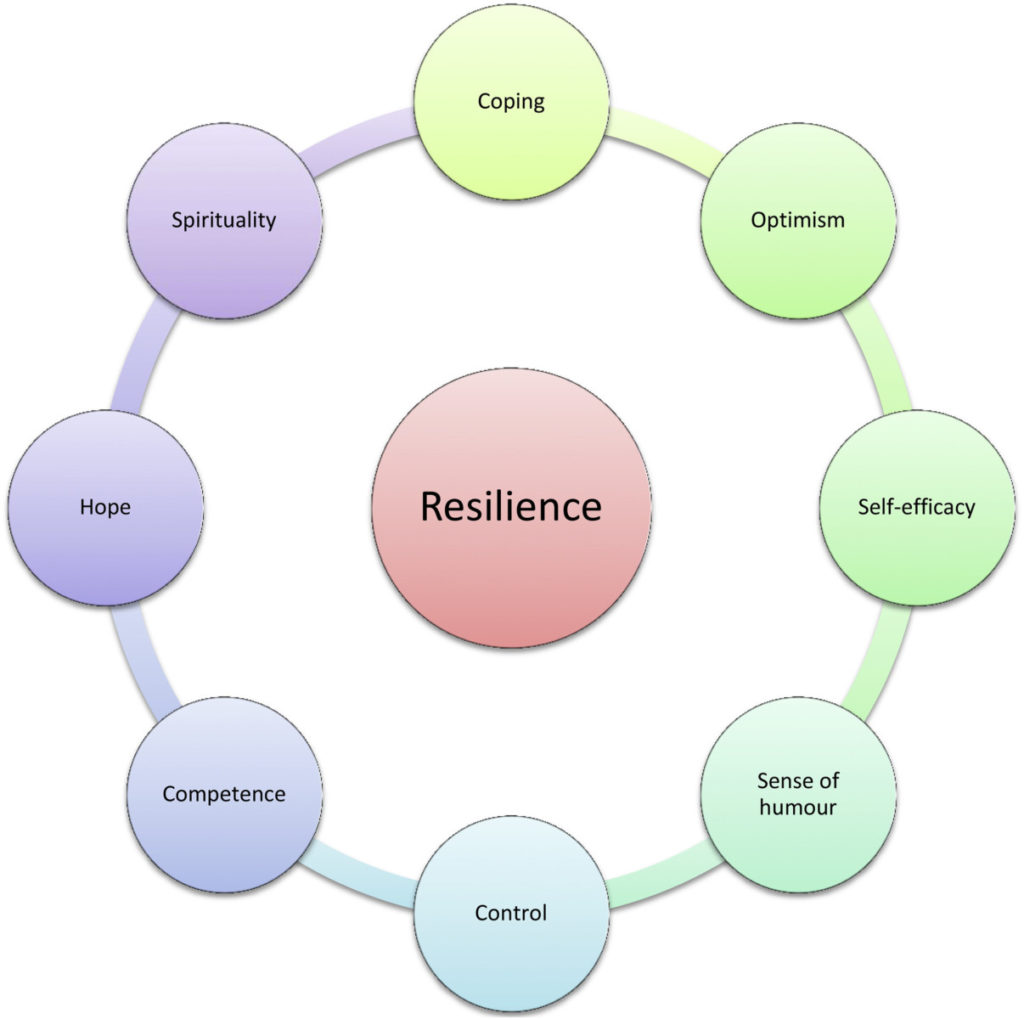
Emotional Resilience refers to an individual’s ability to adapt and bounce back from challenging or stressful situations, maintaining mental well-being, and effectively coping with adversity. It involves developing the capacity to navigate through setbacks, stressors, and emotional upheavals while maintaining a positive outlook and psychological equilibrium. Improving emotional resilience is a valuable endeavour that can enhance one’s overall mental health and well-being. Here are some key strategies individuals can employ to strengthen their emotional resilience:

Building a Supportive Network

Cultivating strong social connections and seeking support from friends, family, or support groups can provide an essential foundation for emotional resilience. Having a network of trusted individuals who can provide empathy, understanding, and practical assistance during difficult times is invaluable.

Developing Coping Strategies

Identifying and developing healthy coping mechanisms is crucial for building emotional resilience. This can include engaging in activities that promote relaxation and stress reduction, such as exercise, mindfulness, journaling, or engaging in hobbies and interests that bring joy and a sense of accomplishment.

Practising Emotional Awareness

Being attuned to and acknowledging one’s emotions is essential for developing emotional resilience. This involves recognising and accepting a wide range of emotions, both positive and negative, and learning to manage them effectively. Emotional awareness allows individuals to process their feelings and respond in a more adaptive manner.

Cultivating Optimism and Positive Thinking

Fostering a positive mindset and optimism can contribute significantly to emotional resilience. This involves reframing negative thoughts, focusing on strengths and solutions, and cultivating a sense of gratitude. Developing emotional resilience helps individuals approach challenges and see setbacks as opportunities for growth.

Enhancing Problem-Solving Skills

Strengthening problem-solving skills empowers individuals to effectively tackle difficulties and setbacks. It involves breaking down problems into manageable steps, brainstorming solutions, and considering alternative perspectives. Possessing proactive problem-solving abilities enhances a person’s sense of control and resilience in the face of challenges.

Practising Self-Care

Prioritising self-care is crucial for emotional resilience. This includes attending to physical health, getting adequate sleep, practising good nutrition, and engaging in activities that bring joy and relaxation. Taking care of oneself holistically provides the energy and resources needed to cope with adversity.

Cultivating Flexibility and Adaptability

The ability to adapt to changing circumstances and setbacks is essential for emotional resilience. This involves being open to new perspectives, adjusting goals or expectations when necessary, and finding alternative paths forward. Flexibility allows individuals to navigate obstacles with resilience and maintain a sense of control.

Stress Management

Effective stress management offers numerous advantages for both mental and physical well-being. By adopting strategies to cope with and alleviate stress, individuals can experience reduced levels of anxiety and tension, leading to enhanced mental clarity and focus. This, in turn, promotes better decision-making and problem-solving skills. Additionally, effective stress management contributes to improved emotional resilience, supporting people to navigate challenges with a sense of purpose and greater confidence. Physically, it can lead to better overall health, as chronic stress has been linked to various health issues. Moreover, fostering a stress-resilient mindset can positively impact relationships, promoting more constructive communication and healthier connections with others. Overall, the benefits extends across multiple facets of life, supporting a more balanced and fulfilling existence.

Seeking Professional Support

In some cases, seeking support from a mental health professional, such as a psychologist or therapist, can be instrumental in developing emotional resilience. They can provide guidance, offer evidence-based strategies, and create a safe space for exploring and processing your emotions.

“When a river of tears and a load of grief keep on flowing from a mountain of broken trust, feelings may relentlessly besiege the stronghold of our flesh. Only a timely adjustment with our mental compass can shore up confidence, resilience; and reliance.”― Erik Pevernagie, Author

Remember, building emotional resilience is a process that takes time and practise. It’s important to approach it with patience, self-compassion, and a willingness to learn and grow. By implementing these strategies and seeking support when needed, individuals can enhance their emotional resilience and navigate life’s challenges with greater strength and well-being.

© Nigel Beckles 20th November 2023

The Importance of Emotional Regulation

“Emotion-regulation leads to life-regulation.” ― Sam Owen, 500 Relationships & Life Quotes: Bite-Sized Advice For Busy People

Frequent outbursts of anger and persistent experiences of depression can have significant disadvantages for an individual’s mental and emotional well-being, as well as for their relationships and overall quality of life. Emotional regulation, or the ability to manage and respond to emotions in a healthy way, plays a crucial role in mitigating these challenges.

Disadvantages of Frequent Anger

Regular expressions of anger can strain relationships with friends, family, and colleagues. It may lead to conflicts and a breakdown in communication. Chronic anger is associated with various health issues, including high blood pressure, cardiovascular problems, and a compromised immune system. Uncontrolled outbursts of anger can lead to legal issues and professional consequences, such as job loss or legal repercussions if it results in aggressive or violent behaviour. People may distance themselves from individuals who frequently display anger, leading to social isolation and a lack of support. Anger issues can also contribute to mental health conditions including depression and anxiety.

Problems Associated with Persistent Depression

Frequent episodes of depression can significantly impair daily functioning, making it challenging to complete routine tasks, maintain employment, or engage in enjoyable activities. Persistent depression can strain relationships, as individuals may struggle to connect emotionally with others, leading to feelings of isolation. Depression can affect cognitive functioning, leading to difficulties in concentration, memory, and decision-making. It is also associated with physical health issues such as changes in appetite, sleep disturbances, and decreased energy levels and in severe cases can increase the risk of self-harm or suicidal thoughts, posing a serious threat to an individual’s well-being.

Emotional Regulation

“Emotional self-control – delaying gratification and stifling impulsiveness – underlies accomplishment of every sort.” ― Daniel Goleman, Emotional Intelligence: Why It Can Matter More Than IQ

Emotional regulation refers to the ability to effectively manage and respond to one’s own emotions in a healthy and adaptive manner. It involves recognising, understanding, appropriately expressing, and controlling emotions to promote overall well-being and positive interpersonal interactions. Improving emotional regulation is a valuable skill that can enhance mental health, relationships, and overall life satisfaction. Here are some key strategies individuals can employ to enhance their emotional regulation abilities:

Increasing Emotional Awareness

Developing emotional awareness is a foundational step in emotional regulation. It involves becoming attuned to one’s own emotions, recognising their triggers, and understanding the underlying causes and meanings behind them. This self-reflection allows individuals to gain insight into their emotional experiences and begin to navigate them more effectively.

Mindfulness Practises

Engaging in mindfulness exercises can promote emotional regulation. Mindfulness involves intentionally paying attention to the present moment without judgement. This practise helps individuals observe their emotions without getting swept away by them, creating space for more deliberate and adaptive responses rather than impulsive ones.

Cognitive Restructuring

Cognitive restructuring involves challenging and reframing negative or distorted thoughts that contribute to intense emotional reactions. By examining and modifying unhelpful thought patterns, individuals can gain perspective, reduce emotional distress, and promote more balanced and rational thinking.

Developing Coping Strategies

Building a repertoire of healthy coping strategies is essential for emotional regulation. These strategies can include engaging in activities that promote relaxation, such as deep breathing exercises or physical exercise, or engaging in hobbies and interests that bring joy and a sense of calm. Finding healthy outlets for stress, such as journaling, art, or music, can also contribute to emotional well-being.

Social Support and Communication

Maintaining supportive relationships and effective communication can aid in emotional regulation. Sharing feelings and experiences with trusted individuals who provide empathy, validation, and constructive feedback can help individual’s process emotions and gain new perspectives. Strong social connections act as a buffer during challenging times and provide a sense of security and belonging.

Self-Care

Prioritising self-care is crucial for emotional regulation. Taking care of one’s physical and mental well-being through practises such as proper sleep, healthy nutrition, and regular exercise can positively impact emotional resilience and regulation. Engaging in activities that promote relaxation, self-reflection, and self-compassion also plays a vital role in maintaining emotional balance.

Seeking Professional Help

In some cases, seeking support from a mental health professional, such as a psychologist or therapist, can be beneficial for enhancing emotional regulation. These professionals can provide guidance, teach specific techniques, and help individuals explore underlying issues that may contribute to emotional dysregulation.

Remember, improving emotional regulation is a gradual process that requires self-awareness, practise, and patience. It is essential to approach it with self-compassion, as setbacks are a natural part of growth. By implementing these strategies and seeking support when needed, individuals can enhance their emotional regulation skills and experience greater emotional well-being and resilience.

(c) Nigel Beckles

Keys to Personal Growth

“The mind is just like a muscle – the more you exercise it, the stronger it gets and the more it can expand.” ― Idowu Koyenikan, Wealth for All: Living a Life of Success at the Edge of Your Ability

Working on self-development offers numerous advantages for individuals; it enhances self-awareness, helping people understand their strengths, weaknesses, and values. This self-awareness forms the basis for making informed decisions and improving various aspects of life. A person working on their self-development can cultivate self-confidence, enabling individuals to set and achieve goals, overcome self-doubt, and pursue their aspirations with determination. It also fosters resilience, equipping individuals with the ability to bounce back from adversity, adapt to change, and maintain a positive outlook during challenging times, and enhances communication skills, emotional intelligence, and relationship-building abilities, leading to healthier, more fulfilling connections with others. Essential aspects to work on for personal growth and self-improvement include:

Self-Awareness

Understand your strengths, weaknesses, values, and beliefs. Self-awareness is the foundation of personal growth, as it helps you make informed choices and identify areas for improvement.

Emotional Intelligence

Develop your ability to recognise, understand, and manage your emotions. This includes empathy for others’ emotions, which is crucial for building healthy relationships.

Self-Confidence

Cultivate self-confidence by setting and achieving small goals, acknowledging your achievements, and challenging self-doubt and negative self-talk.

Communication Skills

Improve your communication skills, including active listening, assertiveness, and effective expression of thoughts and emotions.

Resilience

Build resilience to cope with life’s challenges and setbacks. Learn to adapt, bounce back from adversity, and maintain a positive outlook.

Time Management

Enhance your time management skills to prioritise tasks, set goals, and create a more balanced and fulfilling life.

Mindfulness & Stress Management

Practice mindfulness techniques and stress-reduction strategies to stay present, manage stress, and maintain mental well-being.

Goal Setting

Set clear, achievable goals that align with your values and aspirations. Create a plan to work towards these goals.

Lifelong Learning

Foster a mindset of continuous learning. Seek opportunities for personal and professional growth through education, reading, and skill development.

Healthy Lifestyle

Prioritise physical health through regular exercise, a balanced diet, adequate sleep, and relaxation practices.

Financial Management

Learn about budgeting, saving, and investing to secure your financial future and reduce financial stress.

Relationship Skills

Cultivate healthy, positive relationships by developing effective communication, conflict resolution, and empathy.

Empathy and Compassion

Practice empathy and compassion towards others. Understand their perspectives and offer support when needed.

Adaptability

Embrace change and uncertainty as opportunities for growth. Develop adaptability skills to thrive in various life situations.

Gratitude

Cultivate gratitude by acknowledging and appreciating the positive aspects of your life. This can enhance overall well-being.

Networking

Build a supportive network of friends, mentors, and colleagues who can provide guidance, feedback, and opportunities for growth.

Creativity

Encourage your creative thinking by exploring new hobbies, ideas, and problem-solving approaches.

Personal Values

Clarify your personal values and align your actions and decisions with them to lead a more authentic and fulfilling life.

Boundaries

Set healthy boundaries in your personal and professional relationships to protect your well-being and maintain healthy connections.

Self-Care

Prioritise self-care to recharge physically, emotionally, and mentally. This includes relaxation, hobbies, and activities that bring joy.

Overall, investing in self-development empowers individuals to lead more purposeful, balanced, and satisfying lives. Improving self-development is a lifelong journey that encompasses various key areas. Remember that self-development is a continuous process, and it’s normal to face challenges and setbacks along the way. Be patient with yourself and celebrate your progress. Regular self-reflection and a commitment to growth will help you navigate this journey successfully.

(C) Nigel Beckles 4th October 2023

Being Happy!  

“Attitude is a choice. Happiness is a choice. Optimism is a choice. Kindness is a choice. Giving is a choice. Respect is a choice. Whatever choice you make makes you. Choose wisely.”
― Roy T. Bennett, The Light in the Heart

Maintaining a positive attitude during adversity is crucial for resilience and overall well-being. Strategies to cultivate a positive mindset include practicing mindfulness, focusing on positive thoughts, seeking support, practicing self-compassion, maintaining healthy habits, setting realistic goals, focusing on what you can control, practicing gratitude, engaging in enjoyable activities, learning from challenges, staying connected, visualizing success, limiting negative inputs, maintaining perspective, and helping others. Mindfulness helps accept the present moment without judgment, while optimism and positive thinking replace negative thoughts. Seeking emotional support from friends, family, or therapists can provide comfort and perspective. Gratitude helps acknowledge and appreciate the positive aspects of life, while engaging in enjoyable activities provides a distraction from stressors. A positive attitude doesn’t mean denying the reality of challenges, but approaching them with a resilient and constructive attitude.

Happiness is a concept that is central to the well-being and fulfilment for all of us. It encompasses a range of positive emotions, life satisfaction, and a sense of overall contentment. Achieving consistent feelings of happiness involves a combination of internal factors (such as mindset and attitudes) and external factors (for example, circumstances and relationships). Key aspects of achieving and maintaining feelings of happiness include:

Positive Emotions

Cultivate positive emotions daily through activities that bring joy, like hobbies, spending time with loved ones, or practicing gratitude. Practice mindfulness and live in the present moment to savour positive experiences.

Meaning and Purpose

Identify and engage in activities that provide a sense of meaning and purpose in life. This might include pursuing passions, volunteering, or setting meaningful goals.

Strong Relationships

Nurture and invest in positive relationships with family, friends, and loved ones. Social connections are a significant predictor of happiness. Develop effective communication and conflict resolution skills to enhance the quality of your relationships.

Resilience

Build resilience by developing coping strategies for dealing with life’s challenges and setbacks. Seek to reframe negative thoughts and focus on solutions rather than dwelling on problems.

Self-Care

Prioritise self-care practices such as exercise, proper nutrition, adequate sleep, and relaxation techniques like meditation or deep breathing exercises.

Gratitude

Practice gratitude regularly by keeping a gratitude journal or simply reflecting on the positive aspects of your life. Express your appreciation to others to strengthen social bonds.

Pursue Goals

Set and pursue meaningful goals that align with your values and aspirations. Progress towards these goals can provide a sense of accomplishment and happiness.

Acts of Kindness

Engage in acts of kindness and altruism, which can boost your own happiness and contribute to a positive, interconnected society.

Limit Materialism

Recognise that material possessions have a limited long-term impact on happiness. Focus on experiences and relationships instead of material accumulation.

Seek Professional Help

If you struggle with persistent negative emotions, depression, or anxiety, consider seeking support from a mental health professional who can provide guidance and therapy.

Practice Self-Compassion

Treat yourself with the same kindness and understanding that you would offer to a friend. Avoid harsh self-criticism.

Find Flow

Engage in activities that challenge and engage you fully, leading to a state of “flow,” where time seems to stand still and you experience deep satisfaction.

Remember that happiness is a subjective experience, and what brings happiness can vary greatly from person to person. Explore and discover what truly makes you happy and to continually adapt your strategies to maintain and enhance your well-being as life circumstances change. Happiness is a lifelong pursuit, and it is perfectly natural to experience challenges along the way.

(C) Nigel Beckles 4th October 2023

Abusive Relationships: Power & Control Tactics

“This is what’s known as the Cycle of Violence, where an explosion is followed by a period of remorse, then promises and pursuit, a false honeymoon stage, then a build-up in tension, a standover phase, and another explosion. Then kindness expressed during the false honeymoon stage may feel genuine to the abuser, but this reward phase – like every other part of the cycle – is still all about maintaining control. Periods of kindness, no matter how short, bond the victim to her abuser.” ― Jess Hill, See What You Made Me Do: Power, Control and Domestic Violence

The psychology of Power and Control is a key framework for understanding the dynamics of Domestic Abuse or Intimate Partner Violence (IPV). It refers to the pattern of behaviours that an abuser uses to gain and maintain control over their partner or victim. This framework, originally developed by advocates and researchers in the field of domestic violence, highlights how abusers exert power in various ways, both overt and subtle, to dominate and manipulate their partners within a relationship. Key aspects of the psychology of Power and Control include:

Physical Abuse

This is the most visible form of power and control, involving physical violence or the threat of violence. Abusers use physical force to instil fear and submission in their victims.

Emotional Abuse

Abusers often engage in emotional manipulation, belittling, and humiliation. They may undermine their victim’s self-esteem and self-worth, making them feel powerless and dependent on the abuser.

Isolation

Abusers frequently isolate their victims from friends and family. By cutting off these social connections, they reduce the victim’s support system and make them more dependent on the abuser.

Financial Control

Abusers may control the finances of the relationship, making the victim financially dependent. This can include withholding money, preventing the victim from working, or sabotaging their employment.

Sexual Abuse

This involves using sex or sexual coercion as a means of control. Abusers may force unwanted sexual acts on their victims or use sex as a bargaining tool.

Gaslighting

Abusers use psychological manipulation to make the victim doubt their own reality. They may deny or minimise abusive behaviours, making the victim question their sanity or perception.

Threats and Intimidation

Abusers use threats of harm or other forms of intimidation to control their victims. This can include threats against the victim, their children, or loved ones.

Monitoring and Surveillance

Abusers may closely monitor their victim’s activities, including phone calls, texts, and online communications. This invasion of privacy reinforces their control.

Cycle of Abuse

The power and control dynamic often follows a cyclical pattern, including tension-building, acute violence, and a honeymoon phase. The abuser may apologise and promise change during the honeymoon phase, only for the cycle to repeat.

Minimization and Blame Shifting

Abusers often downplay their abusive actions or blame their victims for the abuse. This can make it challenging for victims to recognise and report abuse.

Being in a domestic abuse relationship can have profound and lasting effects on an individual’s mental, emotional, and physical well-being. The aftermath of such a relationship often involves a range of psychological and emotional challenges. Survivors may experience a diminished sense of self-worth and self-esteem, as abusers often employ tactics that demean and belittle their victims. This can lead to feelings of shame, guilt, and self-blame. Additionally, survivors may suffer from symptoms of anxiety, depression, Post-Traumatic Stress Disorder (PTSD), or other mental health conditions. The trauma endured during the abusive relationship can result in flashbacks, nightmares, and a heightened state of alertness. In the aftermath, people may struggle to rebuild their lives and regain a sense of safety and trust. They may have difficulty forming new relationships or trusting others, which can impact their social and romantic lives. Physical consequences of abuse, such as injuries or chronic health conditions, may persist long after leaving the abusive situation. To navigate the aftermath successfully, survivors often require support from mental health professionals, support groups, friends, and family. It is important to recognise that healing is possible, and with the right resources and support, survivors can rebuild their lives and move forward towards a healthier, happier future. Awareness of the abusive strategies of Power and Control is essential for helping victims and survivors of Domestic Abuse to understand their experiences.

(C) Nigel Beckles 16th September 2023

Learning the Lessons of Self-Acceptance

“Before we can make friends with anyone else, we must first make friends with ourselves.” –Eleanor Roosevelt, American Politician & Activist (1884–1962)

We can all fall into the trap of comparing ourselves negatively to other people when suffering from low self-esteem or a lack of self-acceptance. This happens when we concentrate on our flaws, believing we are lacking in some way, instead of becoming proactive and putting together a strategy to heal any emotional wounds. The habit of emotionally beating yourself up because of past mistakes, not being ‘good enough, or entertaining constant self-criticism in your head will stifle any efforts to cultivate greater self-awareness. Self-acceptance means being honest with yourself and acknowledging any mistakes that you’ve made in the past; it’s about acknowledging and addressing any issues that require attention and accepting that you’re never going to be perfect, just as no one else is perfect! Albert Ellis, a renowned psychologist, described two choices: accepting ourselves conditionally (for example, only when we succeed) or unconditionally (under all circumstances). Ellis said quite clearly that the first choice is ‘deadly.’ If we fail to meet the conditions we set for ourselves, this can set off a pattern of negative beliefs and emotions where we think of ourselves as losers or inadequate in some way rather than accepting any failure as a normal part of life and learning from it. The reality is that if you don’t love and accept yourself enough, this can often result in compromising too much, inevitably leading to difficulties in your personal relationships.

“Accept who you are, work towards becoming who you must be.” – Matshona Dhliwayo, Author

Self-acceptance is a crucial foundation for building healthy and fulfilling relationships, both with others and with oneself. It involves embracing who you are, flaws and all, and recognizing that your worth is not determined solely by external factors or other people’s opinions. Learning the lessons of self-acceptance can be transformative, allowing you to foster genuine connections, increase resilience, and experience a greater sense of contentment. Here, we’ll explore valuable recommendations to help you embark on this journey of self-discovery and acceptance. Recommendations for Learning the Lessons of Self-Acceptance include:

Practise Self-Compassion

Treat yourself with the same kindness and understanding that you would offer to a close friend. When you make mistakes or face challenges, offer yourself words of comfort rather than self-criticism.

Challenge Negative Self-Talk

Become aware of negative self-talk patterns and actively challenge them. Replace self-deprecating thoughts with affirmations and positive statements that acknowledge your strengths and accomplishments.

Embrace Imperfections

Nobody is perfect, and striving for perfection only sets you up for disappointment. Embrace your imperfections as part of what makes you unique and human.

Cultivate Mindfulness

Practise mindfulness to stay present in the moment and observe your thoughts and feelings without judgement. This practise helps you detach from self-critical thoughts and build a more objective perspective of yourself.

Celebrate Achievements

Recognise and celebrate your achievements, no matter how small. By acknowledging your accomplishments, you reinforce positive self-esteem and confidence.

Set Realistic Goals

Set achievable goals that align with your abilities and values. Accomplishing these goals can boost your self-esteem and reinforce your belief in your capabilities.

Establish Boundaries

Respect your boundaries and prioritise self-care. Setting healthy boundaries shows that you value yourself and your needs.

Practise Gratitude

Regularly acknowledge and appreciate the positive aspects of your life. Gratitude helps shift your focus away from perceived inadequacies and towards the abundance in your life.

Forgive Yourself

Let go of past mistakes and regrets. Forgiving yourself is an essential part of self-acceptance and allows you to move forward without carrying unnecessary emotional baggage.

Surround Yourself with Positivity

Surround yourself with people who uplift and support you. Positive relationships can have a significant impact on your self-esteem and self-image.

Engage in Self-Discovery

Take time to explore your interests, passions, and values. Engaging in activities that align with your authentic self encourages a sense of purpose and self-worth.

Seek Support

If self-acceptance feels challenging, consider seeking support from a therapist or counsellor. Professional guidance can provide you with tools and techniques tailored to your specific needs.

Considering your personal history from the correct perspective while being ready to make a genuine effort to evolve positively often requires courage and a radical shift of focus. The very first step in building a successful relationship yourself is learning to value who you are. Who are you? Are you happy and content with your own company? For some people, ‘self-improvement’ implies there must be something ‘wrong’ that needs ‘fixing.’ However, cultivating a desire to be the best version of yourself does not mean there is something flawed about you; the key is to fully accept yourself while also seeking to heal any emotional issues or negative patterns of relating that may require attention. Pursuing improvements without fully accepting yourself as you are now will most likely be a futile endeavour. By incorporating the recommendations listed above into your journey, you will gradually develop a stronger sense of self-acceptance. Remember, this is an ongoing process, and each step taken will take you closer to cultivating a healthier and more authentic relationship with yourself.

Book Extract: How to Avoid Making the BIG Relationship Mistakes! © 2015

Available @ Amazon https://shorturl.at/jkmrt

Friends With Benefits: Can It Work For You?

“Lust is easy. Love is hard. Like is most important.” – Carl Reiner, Comedian, Actor and Director

We live in an era where a committed relationship can often be very difficult to find and even harder to keep. As a result, many opt for a casual relationship or ‘Friends With Benefits’ (FWB) arrangement where they have recreational sex but little else. The FWB concept has been around for a very long time, but the term has become very popular over the last few decades. The idea is that two adults can agree to ‘no strings attached’ consenting sex without any problems, provided both parties are clear about what they are doing and no one is being misled. The general rules are that both parties agree to have sex without either person becoming emotionally involved or having any expectations for the future. There is a mutual understanding; it’s a sexual agreement for a limited period of time without any consequences, and some people believe this arrangement can even help prepare you for your next serious relationship. A FWB arrangement can be mutually enjoyable, suit your needs for a period of time, and not necessarily be motivated by trying to avoid commitment.

Having sex without any emotional attachments can be a very tempting idea, especially when it’s widely accepted that a good sex session is a great way to relieve stress! In a nutshell, you can have sex with someone at your mutual convenience with no strings attached, have a lot of sexual fun, experiment sexually, and no one gets hurt, so it appears to be a win-win deal! Enjoying sex is nothing to be ashamed of, and sex certainly does not have to be confined within a marriage or committed relationship, with women generally enjoying greater social and financial independence while practising more sexual freedoms than ever before. Many women today have a totally different attitude towards sex compared to previous generations. Less than fifty years ago, a woman would generally make a man prove he was serious about having a relationship before allowing any physical or sexual interaction. It is now widely accepted that things have changed. There has been a significant increase in females having recreational sex, just like many men, and choosing friends with benefits rather than looking for a committed relationship.

Casual Sex: Benefits  

  • Having someone available for sex at your mutual convenience
  • A chance to experiment sexually and, to some extent, emotionally.
  • Having sex with someone you know, like, and trust as opposed to a series of one-night stands.
  • Enjoying sex without commitment.
  • Indulging in some of the perks of a relationship while remaining officially single
  • When the arrangement no longer suits you, it can be quite easy to move on, provided your emotions have not become too involved.

Casual Sex: Risks

Before you decide to enter into a ‘sex with no strings’ agreement, there are a few important points to consider:

  • If you have a tendency to be jealous, to strongly associate sex with love, or to become emotionally attached to partners after sharing great sex, FWB is probably not for you.
  • Friends with benefits are not necessarily exclusive, and he may be having sex with someone else. Even if exclusivity has been agreed upon, there are no guarantees that he will honour the agreement.
  • If you want sex without commitment, recognise that the older you are, the greater the risk of eventually ending up alone.
  • FWB sex often confuses the boundaries of male and female friendships; many do not survive after the sexual arrangement comes to an end.
  • FWB becomes a serious risk if you are developing romantic feelings.
  • You can become unhappy and develop feelings of being used because of a lack of commitment.
  • Feeling guilty about having sex outside of an official relationship.

If you are contemplating having casual sex or a FWB arrangement, you have to ask yourself honestly if this is really what you want to do or if you are just considering it because there is nothing else better on offer.

Reality Check!

 “There can be no happiness if the things we believe in are different from the things we do.” – Freya Stark, British Explorer & Travel Writer

I have been involved with several Friends With Benefits and always made it very clear that it was just about sex. Most of the women tried to persuade me to commit to a relationship that was not what I had ‘signed up’ for. This had nothing to do with my sexual prowess (although at the time I did convince myself to believe otherwise!) but with the fact that for the majority of women, having sex is usually a physical and emotional act. I have spoken to many women about their Friend With Benefits experiences, and the vast majority have told me that agreeing to this type of arrangement has often been the most disappointing and unfulfilling ‘relationship’ choice they have ever made. While a man can often have sex without any emotional content, a woman sleeping with a guy who isn’t her ‘official’ partner usually develops feelings for him and begins hoping for something more. Females are generally much more emotional than males, but some women like to deceive themselves into thinking they can handle this type of situation. Others hope this approach will eventually persuade a man to make a commitment. Many men will take whatever is on offer and then leave the arrangement at their convenience. This leaves many women feeling sad and empty, especially if the guy moves on to a successful relationship or marries another woman. There comes a time when you have to face reality and stop believing that your frog is going to turn into a loving prince.

The Science

Oxytocin is more predominate in females associated with trust, sexual arousal and relationship building, it’s sometimes referred to as the “love hormone” or “cuddle chemical.” Levels also increase when you’re hugging someone and when you’re experiencing an orgasm and is an essential hormone for childbirth and lactation. Oxytocin and testosterone are two hormones that play distinct roles in relationships, particularly in the context of human social and romantic interactions.

Female Hormone Oxytocin in Relationships

Oxytocin is often referred to as the “love hormone” or “bonding hormone” because of its role in forming and strengthening social bonds, especially in intimate relationships. Here are its key roles:

Bonding and Attachment

Oxytocin is released in significant quantities during moments of emotional connection, such as hugging, kissing, or sexual activity. It contributes to feelings of bonding and attachment between individuals, promoting trust and emotional closeness.

Childbirth and Breastfeeding

Oxytocin plays a vital role in childbirth by stimulating uterine contractions. It also facilitates milk ejection during breastfeeding, fostering the maternal-infant bond.

Stress Reduction

Oxytocin has been linked to stress reduction and the body’s ability to manage stress. In the context of relationships, it can help soothe anxiety and promote feelings of security.

Social Recognition

Oxytocin can enhance our ability to recognise and interpret social cues, making it easier for individuals to empathise with each other’s emotions and needs.

Male Hormone Testosterone in Relationships

Testosterone, often associated with male biology, also plays a role in relationships, although its functions can vary between individuals. Here are some key aspects of testosterone in relationships:

Sexual Desire

Testosterone is a major driver of sexual desire and libido in both men and women. It contributes to the initiation of sexual activity and the maintenance of sexual function.

Aggression and Dominance

In some contexts, higher testosterone levels may be associated with more dominant or aggressive behaviour. However, it’s essential to note that this is not universally true, as behaviour is influenced by a complex interplay of factors.

Competitiveness

Testosterone can influence competitive behaviours, which can manifest in various ways in relationships, such as striving for success or demonstrating ambition.

Relationship Satisfaction

The role of testosterone in relationship satisfaction is complex and may vary from person to person. Some studies suggest that moderate testosterone levels are associated with better relationship functioning, including feelings of closeness and emotional connection.

Parenting

Testosterone levels can decrease in men when they become fathers, potentially promoting caregiving and bonding with their children. This decrease may help facilitate the transition to parenthood.

It is important to note that while oxytocin and testosterone play roles in relationship dynamics, they are just one part of a complex picture. A wide range of psychological, social, and environmental factors have an impact on relationships. Hormones can influence behaviour, but they do not determine it. Furthermore, individuals vary in their hormone levels, and these variations can have different effects from one person to another.

“Commitment is inherent in any genuinely loving relationship.” – M. Scott Peck, Psychiatrist and Author (1936-2005)

If you are a woman and agreed to a FWB and now find yourself struggling emotionally with having casual sex with a man who doesn’t love you, accept responsibility for your decision. It’s very unfair to blame your FWB sex buddy; he was just acting like a typical man who found a woman prepared to provide no-strings-attached sex. Perhaps you were naive, misguided, or even desperate to be loved when you agreed to the FWB arrangement, but at this stage, there’s no point in beating yourself up about making a mistake. You thought you could handle it, but now the arrangement is making you feel unfulfilled, uncomfortable, or even very emotionally conflicted. When a person begins to compromise their true relationship desires and expectations, they eventually end up compromising themselves. Denying what you really want in a FWB arrangement is almost guaranteed to end in tears eventually, and it’s usually the woman who ends up crying.

This arrangement often blurs the lines between friendship and a more casual form of romantic involvement, creating a unique dynamic that can offer both benefits and potential challenges. The idea of having a friend with whom you can share physical intimacy without the pressures of a conventional relationship can be appealing, but it also requires clear communication, mutual understanding, and the ability to navigate complex emotions. The majority of women usually prefer sexual activity within a committed, stable relationship. You deserve so much more than just being available for mutually convenient sex, so set your intentions, work on your strategy, and believe that you will find the kind of relationship that you really want.

Book Extract: How to Avoid Making the BIG Relationship Mistakes! © 2015

Available @ Amazon https://shorturl.at/jkmrt

© Nigel Beckles August 2023