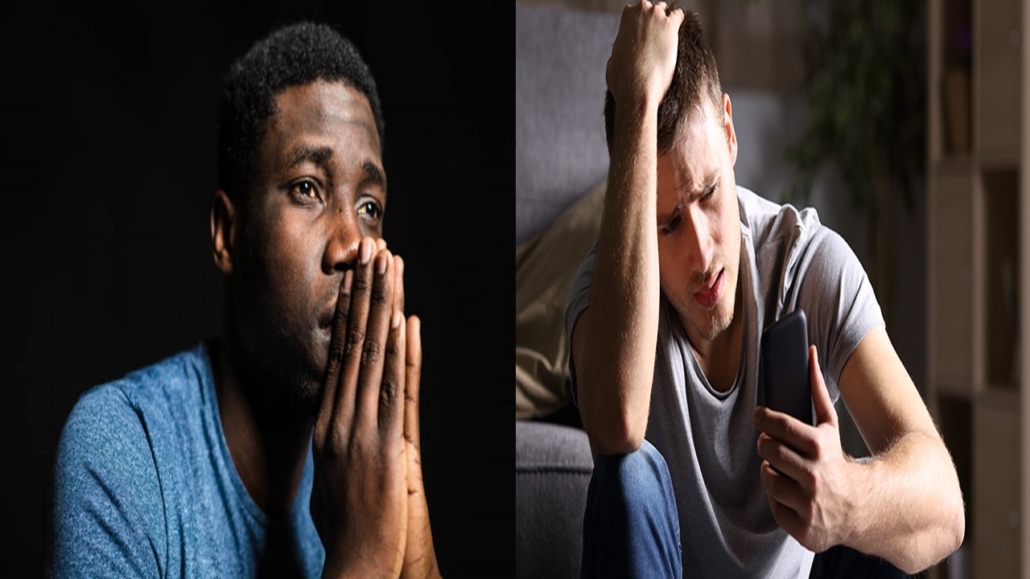
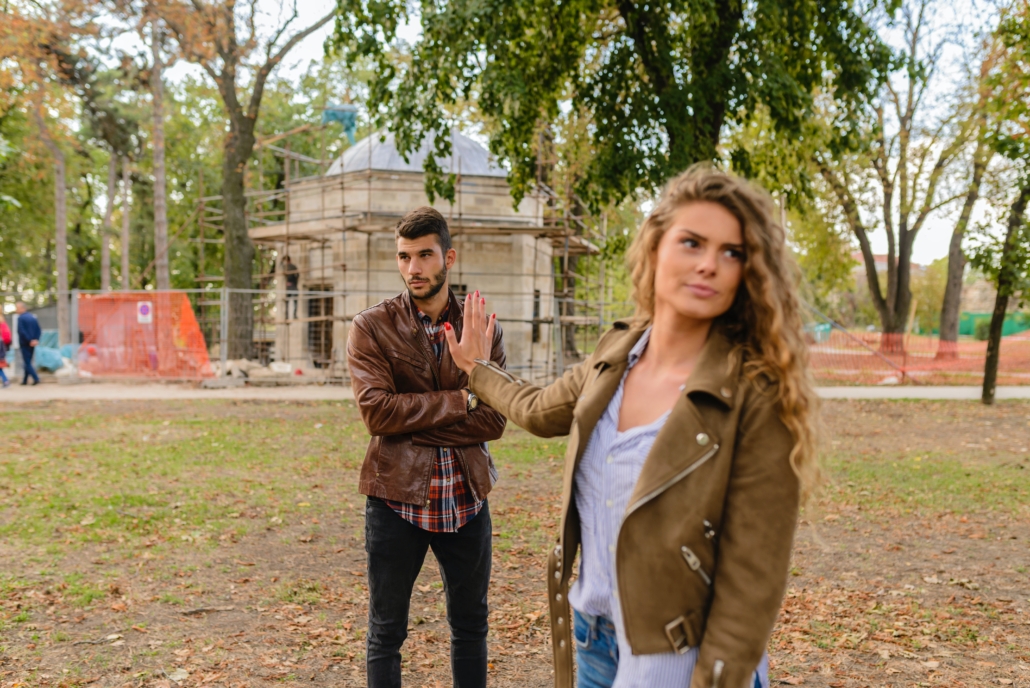
Abuse is a complex and multifaceted issue that affects millions of people around the world. While abuse can take many forms, one of the most insidious and damaging is when abusers seek to control their victims. This can be achieved in a variety of ways, including emotional manipulation, physical violence, and social isolation. In this article, we will explore the different tactics that abusers use to control their victims and the devastating effects that this can have on those who experience it. One of the most common ways that abusers seek to control their victims is through emotional manipulation. This can take many forms, but one of the most prevalent is Gaslighting. This is a form of emotional abuse where the abuser seeks to undermine the victim’s sense of reality by denying their experiences and making them doubt their own perceptions of the world. It can be done in subtle ways, such as by denying that events occurred or by insisting that the victim is overreacting. Over time, this can cause victims to doubt themselves and their ability to make decisions, leaving them vulnerable to further manipulation.
Another tactic that can be used to control their victims is physical violence. This can range from minor acts of aggression, such as pushing or slapping, to more severe forms of abuse, such as beating or choking. The threat of physical violence can be just as effective as the actual act, as it instils fear in the victim and forces compliance. Victims of physical abuse often experience long-lasting physical and psychological effects, including anxiety, depression, and post-traumatic stress disorder. Perpetrators may also seek to control their victims by isolating them from their support networks. This can be achieved in a variety of ways, such as by preventing them from seeing friends and family, controlling their access to transportation or communication devices, or convincing them that their loved ones are not trustworthy. By isolating their victims, abusers increase their dependence on them and decrease their ability to seek help or escape from the abusive situation.
Abusers may try to isolate their victims from their support networks, seeking to control their behaviour and choices. This can include controlling their finances, restricting their access to healthcare or education, or dictating what they can wear or how they should behave in public. By limiting their autonomy and decision-making abilities, abusers seek to maintain Power and Control over their victims. Abusive and controlling individuals may also use technology to control their victims. This can take many forms, such as monitoring their social media or email accounts, installing tracking software on their devices, or using spyware to listen in on their conversations. This form of control is often difficult to detect, as it can be done remotely and without the victim’s knowledge. However, it can have devastating effects on their privacy, safety, and sense of autonomy.
The effects of abuse can be devastating and long-lasting. Victims may experience a range of physical and psychological symptoms, including depression, anxiety, and post-traumatic stress disorder. They may also struggle with substance abuse, self-harm, and suicidal ideation. Additionally, the effects of abuse can extend beyond the individual and impact their relationships with others, their ability to work or attend school, and their overall quality of life. It is important for individuals to recognize the signs of abuse and seek help if they or someone they know is experiencing abuse. This can include reaching out to local resources, such as domestic violence hotlines or shelters, or contacting law enforcement. It is also important for individuals to prioritize their safety and well-being, whether that means leaving an abusive situation or seeking professional support to cope with the effects of abuse.
https://authornigelbeckles.com/wp-content/uploads/2022/11/logo-001-300x286.png00Nigel Beckleshttps://authornigelbeckles.com/wp-content/uploads/2022/11/logo-001-300x286.pngNigel Beckles2023-04-17 15:16:352023-04-17 15:16:37How Abusers Seek to Control Their Victims
Romance scams are a type of fraud that preys on individuals seeking love and companionship. In this digital age, where people can easily connect with each other online through dating sites, social media, and other platforms, these kinds of scams are becoming increasingly more frequent. The rise in popularity of online dating has made it a very convenient way to meet new people and explore possible connections with potential romantic partners. This has also created opportunities for scammers to target unsuspecting individuals. Criminals and scam artists will create fake online profiles using these in the hope of meeting potential victims and then build false relationships. Romance scams often happen when someone looking for a new partner online believes they have found their perfect match. Over the course of weeks or months, they will try to gain the trust of their target, with the goal of getting their personal information and money. Generally, criminals can spend hours researching a target’s online profile, but especially when their goal is to commit romance fraud.
In 2022, romance scams cost victims a staggering $1.3 billion, as reported by the US Federal Trade Commission. Out of the more than 8,000 romance scams that were reported, the most common lie that scammers told their victims was that they, or someone close to them, was sick, hurt, or in jail. Social media was identified as the primary contact method in over half (58 percent) of the reported cases, with Instagram and Snapchat being the most popular platforms used by scammers. While romance scammers frequently use dating apps to target their victims, they prefer to start a romantic relationship through private messages on social media platforms. The FTC reported that 40 percent of victims who lost money in 2022 said that the scam started on social media, compared to 19 percent who cited a dating website or app. These statistics underscore the importance of being vigilant when using social media and dating apps. It’s essential to exercise caution when communicating with strangers online, especially when they are asking for personal information or money.
Unfortunately, these scams can be difficult to identify, and many people fall victim to them every year. In this article, we will discuss some common signs that you may be falling for a romance scam.
Mysterious or Incomplete Profile
Watch out for when someone has a mysterious or incomplete profile. They may not have many photos, or the ones they do have look staged or overly professional. They may also have limited information about themselves or refuse to answer questions about their background or interests. This is often a sign that they are not who they claim to be and are hiding something. Scam artists can be experts at creating fake online profiles.
Seeking Personal Information
Be very wary of anyone who asks for personal information, such as your home address, social security number, or bank account details. These are all sensitive pieces of information that should be kept private, and anyone who is asking for them may have ulterior motives.
They Ask for Money
One of the most obvious signs of a romance scam is when the person you are talking to asks for money. They may claim to be in a difficult financial situation or have an emergency that requires immediate funds. They may ask you to wire money, send gift cards, or provide personal financial information. No matter what the reason, it is important to never send money to someone you have not met in person and know for certain that you can trust.
Avoids Video Calls
Another red flag to watch out for is when the person you are communicating with avoids video calls. This is often because they are using a fake profile picture or do not want to reveal their true identity. If someone consistently makes excuses for why they cannot video call or meet in person, it is a warning sign that they may not be who they claim to be.
They Move Quickly
Scammers often try to establish a relationship quickly, with the goal of getting their victims emotionally invested as soon as possible. They may use terms of endearment early on, profess their love, and make plans for the future. While it is natural to feel excited about a new relationship, it is important to be cautious and take the time to get to know someone new before becoming romantically involved.
Sad Stories
Many romance scammers will create a sob story to gain sympathy and manipulate their victims. They may claim to be a widower, have a sick family member, or have been the victim of a recent disaster. While it is important to be empathetic and understanding, it is also important to be wary of anyone who consistently plays the victim and asks for money.
Inconsistent
The person you are talking to may have a hard time keeping their story straight, forget details about their life, or contradict themselves. This is often because they are trying to maintain multiple fake personas or are not actually who they claim to be.
Refusing to Meet in Person
If someone consistently refuses to meet in person, it is a warning sign that they may not be who they claim to be. Even if someone has a good reason not to meet in person, like being worried about passing on an infection or living far away, it is important to be careful if they consistently avoiding to meet.
Financial Difficulties
People may fall for a romance scam if they are experiencing financial difficulties. They may be struggling to pay bills, have debt, or be facing other financial hardships. Scammers often prey on these vulnerabilities, using promises of financial support or investment opportunities to gain their victims’ trust and steal their money.
While many people can fall victim to a romance scam, those who are desperate for a new partner or relationship are particularly vulnerable. The reasons why people are more likely to fall for a romance scam include:
Lack of Experience with Online Dating
People who are new to online dating may also be more susceptible to romance scams. They may not be aware of the warning signs or red flags, or may not have the experience or knowledge to recognize when someone is not who they claim to be. This lack of experience can make them more trusting and willing to take risks, putting them at greater risk of falling for a scam.
Loneliness and Isolation
One of the most common reasons people fall for romance scams is because they feel lonely and isolated. This is especially true for older adults who may have lost a spouse or have few social connections. These individuals are often looking for companionship and may be more willing to overlook warning signs or red flags in order to feel connected to someone.
Desperation for Love
Another reason why people may be susceptible to romance scams is because they are desperate for love. They may have been single for a long time, experienced a recent breakup, or feel like they are running out of time to find a partner. This desperation can make them more willing to take risks and overlook suspicious behaviour from a potential love interest. Those who are desperate for a new partner or relationship can be particularly vulnerable, but anyone can fall victim if they are not careful.
Low Self-Esteem
People with low self-esteem are also more vulnerable to romance scams. They may feel unworthy of love or have a negative self-image, making them more likely to believe that someone is interested in them and willing to provide the love and affection they crave. Scammers often use flattery and compliments to build trust and manipulate their victims, taking advantage of their insecurities to gain their confidence.
Protecting Yourself from Romance Scams
To ensure that your potential love interest is who they claim to be, consider setting up a video chat with them. This is an easy way to verify their identity, even if they are located overseas or far away. However, it’s important to remember not to reveal too much personal information too soon, as scammers may use this information to manipulate or exploit you. Another effective strategy is to research the person you are communicating with. Look for their social media profiles on platforms such as Facebook, Instagram, and LinkedIn, and examine the content and photographs they have posted. You can also conduct a reverse image search by downloading or copying their profile picture and uploading it to images.google.com. Discovering their photo appears on a stock photo site or notice any other suspicious activity, there is a possibility that the person you are communicating with may be a romance scammer.
If you are looking for love, protecting yourself from romance scams requires awareness, caution, and vigilance. It’s important to approach new relationships with patience and allow them to develop slowly and naturally. While it can be tempting to rush into a whirlwind romance, genuine connections often take time to develop. Take the time to get to know your potential partner, and allow them the same opportunity to get to know you. If a new love interest seems to be pushing the relationship forward too quickly, it may be a red flag. Consider whether this person is truly interested in getting to know you on a deeper level or if their intentions are more nefarious. Taking the time to build a solid foundation of trust and mutual respect can help protect you from falling victim to a romance scam. Be wary of anyone who asks for money or financial information. Avoid individuals who refuse to meet in person or communicate through video calls. Trust your instincts and be very cautious. If possible, conduct a background check on the individuals you meet online. Keep your personal information private, and be careful about what you share online. Report suspicious behaviour to the appropriate authorities. By taking these steps, you can reduce your risk of falling victim to a romance scam and ensure that your online relationships are with genuine individuals. It is imperative to remain vigilant and cautious when interacting with new people online, as scammers can be very convincing and persistent in their efforts to deceive and manipulate their victims.
It is important to note that anyone can be a victim of a romance scam, regardless of gender. One trend observed is that there are far more female victims than there are male victims, as men report being victims of a romance scam much less to authorities. This could be due to a number of factors, including the stigma attached to being scammed and the fear of being seen as gullible or foolish. Additionally, men may be less likely to seek help or support when they feel vulnerable, which can make them less likely to report the scam to the police or even to friends and family. Women are more likely to be targeted by scammers in general, as they are often perceived as more vulnerable and easier to manipulate. In addition, women are also more likely to be looking for love or companionship online, which makes them an ideal target for romance scammers. Another factor that may contribute to the higher number of female victims being that women are often more willing to open up emotionally to someone they’ve never met in person. This can make them more susceptible to the manipulative tactics used by scammers, who may use flattery and compliments to build trust and establish a connection with their victim.
Conclusion
Falling for a romance scam can be a devastating experience that can leave victims feeling embarrassed, violated, and financially drained. This type of scam is a serious threat that can cause severe financial, emotional, and psychological damage. By being aware of the warning signs and taking steps to protect yourself, you can reduce the risk of becoming a victim. Paying attention to any potential red flags could save you a great deal of stress, heartache and money!
Conflict is an inevitable part of any relationship, and learning how to deal with it well can make all the difference in keeping a strong and healthy connection with your partner. In this article, we’ll explore different types of conflict that can arise in relationships and provide strategies for handling them effectively and respectfully.
Types of Conflict
There are several types of conflict that can arise in relationships, including:
Communication conflicts: These types of conflicts arise when there is a breakdown in communication. For example, miscommunications or misunderstandings can lead to conflict.
Value conflicts: These types of conflicts arise when there are differences in values, beliefs, or opinions. For example, disagreements about religion, politics, or lifestyle choices can lead to conflict.
Power conflicts happen when two people in a relationship fight over who is in charge or who is more important. For example, disagreements about decision-making or household responsibilities can lead to conflict.
Strategies for Handling Conflicts Effectively include:
Active Listening
One of the most important strategies for handling conflicts effectively is active listening. Active listening involves fully focusing on and understanding your partner’s perspective, rather than just waiting for your turn to speak. This means listening without interrupting, asking clarifying questions, and summarising what your partner has said to ensure that you have understood their point of view.
Compromise
Another strategy for handling conflicts effectively is to find a compromise that works for both partners. This means finding a solution that meets both partners’ needs and interests, rather than just one partner getting their way. To reach a compromise, you might need to come up with a lot of ideas, look at things from different points of view, and be open to finding creative solutions.
Empathy
Empathy is another critical strategy for handling conflicts effectively. Empathy involves putting yourself in your partner’s shoes and understanding their perspective and feelings. This means acknowledging your partner’s emotions and validating their experience, even if you don’t necessarily agree with their point of view. Empathy can help create a sense of connection and understanding, which can help resolve conflicts more effectively.
Perspective Taking
Perspective Taking is similar to empathy, but it goes a step further by taking your partner’s point of view into account when making decisions or acting. This means considering how your actions will impact your partner and their feelings and taking steps to address their concerns and needs. Perspective-taking can help to build trust and respect in the relationship, which can make it easier to handle conflicts in the future.
Conflict Resolution Strategies
There are many ways to handle conflicts well, such as:
Taking a break: If emotions are running high, taking a break from the conversation can be helpful. This can allow both partners to cool off and approach the conversation more calmly.
Using “I” statements: Using “I” statements can help to avoid blaming or attacking language and instead focus on how you feel about the situation.
Avoiding ultimatums: Ultimatums can make the other person feel cornered and defensive, which can escalate the conflict.
Seeking outside support: Seeking the support of a therapist or counsellor can be helpful if conflicts are ongoing or particularly challenging.
A variety of conflicts are a normal part of any relationship, but it can be challenging to navigate. Different types of conflicts can arise, including communication conflicts, value conflicts, and power conflicts. Strategies for handling conflicts effectively include active listening, compromise, empathy, perspective-taking, and conflict resolution strategies. By investing in these strategies, you can build a stronger and more resilient relationship with your partner.
Trust is the foundation of any healthy relationship, but it can be difficult to maintain if trust issues arise. These issues can be caused by a variety of factors, including betrayal, infidelity, jealousy, and past experiences. If trust problems aren’t dealt with, they can have a big effect on how well your relationship works and how long it lasts. In this article, we’ll discuss common causes of trust issues in relationships and provide strategies for rebuilding trust with your partner. Common causes of trust issues include:
Betrayal
Unfortunately, betrayal is one of the most common causes of trust issues in relationships. This can involve a partner lying, cheating, or breaking promises. When betrayal occurs, it can be difficult to trust your partner again, as you may feel that they are not reliable or dependable.
Infidelity
Infidelity is another common cause of trust issues in relationships. When one partner is unfaithful, it can be difficult to trust them again, as you may question their commitment and loyalty to the relationship. Infidelity can also cause feelings of anger, hurt, and betrayal, which can make it challenging to rebuild trust.
Jealousy
This is another common cause of trust issues in relationships. Jealousy can arise from a variety of factors, such as past experiences, insecurity, or possessiveness. When jealousy is present in a relationship, it can cause suspicion, mistrust, and a lack of openness and transparency. Strategies for Rebuilding Trust
Forgiveness
A critical component of rebuilding trust in a relationship. Forgiveness involves letting go of past hurt and resentment and moving towards a more positive future together. Forgiveness requires both partners to be willing to acknowledge their mistakes, take responsibility for their actions, and work towards repairing the damage that has been done.
Transparency
Another essential strategy for rebuilding trust in a relationship. Transparency involves being open and honest with your partner about your thoughts, feelings, and actions. This includes sharing your experiences, being willing to answer questions, and providing reassurance when needed. Transparency helps to create a sense of safety and security in the relationship, which can help to rebuild trust over time.
Consistency
This is also important when it comes to rebuilding trust in a relationship. Consistency involves following through on your commitments and being reliable in your actions. This includes being on time, keeping promises, and being present and attentive in the relationship. Consistency helps to create a sense of predictability and stability in the relationship, which can help to rebuild trust over time.
Seeking Support
Considering receiving support from a professional counsellor or therapist can be helpful when it comes to rebuilding trust in a relationship. A therapist or counsellor can give both people a safe place to talk about their feelings, learn how to talk to each other better, and come up with ways to rebuild trust. Seeking support can also help to address underlying issues that may be contributing to the trust issues in the relationship.
Betrayal, cheating, jealousy, and unpleasant past experiences are just a few of the things that can lead to trust issues. If not addressed properly, they often cause significant problems in relationships, whether they are intimate or otherwise. Strategies for rebuilding trust include forgiveness, transparency, consistency, and seeking support. By investing in these strategies, you can rebuild trust with your partner and create a more positive and fulfilling relationship.
(c) Nigel Beckles March 2023
https://authornigelbeckles.com/wp-content/uploads/2022/11/logo-001-300x286.png00Nigel Beckleshttps://authornigelbeckles.com/wp-content/uploads/2022/11/logo-001-300x286.pngNigel Beckles2023-03-31 11:32:332023-03-31 11:32:36Resolving Trust Issues in Relationships
“Distance makes the heart grow fonder.”- Thomas Haynes Bayly English Poet, Songwriter & Dramatist (1797-1839)
Many people are now more likely to have long-distance relationships as they move for study, work, or are looking for love online. Many relationships have started this way and succeeded, but there are many things that can also go wrong. Long-distance relationships can be romantic and exciting as the couple counts down to their next meeting, and this can cause the partners involved to indulge in deep romantic fantasies about meeting again. These types of relationships can be challenging, but with the correct attitude and approach they can also be very worthwhile. Here we will explore some strategies for making a long-distance relationship work.
Building Trust
This is an essential factor in maintaining a successful long-distance relationship. When you’re not physically together, it can be easy to feel anxious or insecure about your partner’s loyalty and commitment. Open and honest conversations with your partner about your feelings of trust and any concerns you may have are essential. When both people believes their partner is trustworthy, this can help build a solid foundation for the relationship. Be sure to discuss your expectations for the relationship, including boundaries and what behaviours are acceptable and unacceptable.
Coping with Distance
It’s natural to feel lonely or sad at times, but there are ways to cope with these feelings. One strategy is to focus on self-care and personal growth. Take time to explore your own interests and hobbies, develop new skills, and prioritize your own well-being. This can not only help you cope with the distance but also make you a stronger and more fulfilled individual.
Maintaining Emotional Connection
This is another important aspect of long-distance relationships. While physical intimacy may not be possible, emotional intimacy is still crucial. Take time to share your thoughts and feelings with your partner, and listen actively to their own experiences and perspectives. You can also find imaginative ideas to show affection, such as sending care packages, love letters, or surprise gifts. Virtual date ideas can also be a fun way to stay connected with your partner and create shared experiences, even when you’re apart. Some ideas include having a virtual movie night, cooking a meal together over video chat, or playing online games together. Despite the distance, these activities can help foster a sense of closeness and shared experiences.
Setting Expectations
It is imperative to set boundaries and set realistic expectations for the relationship. Talk with your partner about your goals and expectations for the relationship, including plans for the future and how you envision your long-distance relationship evolving over time. It’s important to have a clear understanding of each other’s needs and wants in order to make the relationship work.
Maintaining Independence
Focusing on building a sense of independence and freedom is one way to keep a long-distance relationship healthy. While it’s important to stay connected with your partner, it’s also important to have your own life and interests. Take time to pursue your hobbies, career goals, and social life. This can be healthy for the relationship because it encourages independence and self-sufficiency helps to avoid becoming overly reliant on your partner for emotional fulfilment. It’s also important to put your relationship with your partner ahead of your independence. Make time to connect and communicate regularly, and prioritize your partner’s needs and feelings. This can be especially challenging when you’re dealing with different time zones or busy schedules, but it’s important to make the effort to stay connected.
Encourages Independence
When you’re not relying on your partner for all your emotional needs, you’re more likely to have a strong sense of self. When you’re in a long-distance relationship, there’s always something to look forward to. Even if you can’t see your partner in person, you can plan your next visit or schedule a video call. Having something to anticipate can help you get through tough times.
Virtual Intimacy
Virtual intimacy is another important aspect of maintaining a long-distance relationship. While physical intimacy may not be possible, emotional intimacy is still essential. If you are in a long-distance relationship, make it a priority to share your thoughts and feelings, and listen carefully to their own experiences and perspectives. You can also find creative ways to show affection, like sending care packages, love letters, or surprise gifts. It’s also important to have a plans for the future. Discuss your long-term goals and plans for eventually being together in person.
Seeking Support
Seeking support from friends and family can be helpful, especially during difficult times. Visiting each other as often as possible and making concrete plans for the future, such as discussing where you might eventually live or how you will eventually close the distance, can also give you something to look forward to and work towards.
People often think that long-distance relationships are hard to maintain, but there are a few benefits that are often overlooked. Here are some reasons why long-distance relationships can be beneficial.
Increased Value of Time Spent Together
When you’re in a long-distance relationship, the time you spend together is limited and precious. This can make your time together more special and valuable. Additionally, since you’re not spending every day together, there’s less opportunity to get bored with each other. This can help keep the relationship fresh and exciting. When you finally do get to see each other, it feels like a special occasion.
Opportunity to Get to Know Each Other Without Physical Distractions
Many relationships start with a physical attraction, but long-distance relationships give you the opportunity to get to know each other on a deeper level. Without the distraction of physical intimacy, you can focus on building a strong emotional connection. This can help you determine if you’re truly compatible before getting too invested in the relationship.
Travel Opportunities
Long-distance relationships provide an opportunity to travel and explore new places. When you visit your partner or they visit you, you get to see a new part of the world. Additionally, you can choose to meet in a third location, which can be an exciting adventure for both of you.
Modern Technology Makes CommunicationEasier
Long-distance relationships used to be challenging because communication was limited to letters and phone calls. Nowadays, technology makes it easy to communicate in real-time. Video calls, messaging apps, and social media allow you to stay connected with your partner no matter where you are.
Strengthens the Relationship
Long-distance relationships come with unique challenges, but if you’re able to overcome them, your relationship can end up stronger as a result. When you’re forced to rely on communication to maintain the relationship, it can help build trust and emotional intimacy.
Equal Investment from Both Partners
In a long-distance relationship, both partners need to be equally invested in the relationship for it to work. This means that both partners need to put in the effort to communicate regularly and plan visits. When both partners are committed to the relationship, it can help build a strong foundation.
Improves Communication Skills
Long-distance relationships require excellent communication skills. When you’re not able to rely on physical intimacy, you need to communicate your emotions and thoughts effectively. This can help you build a stronger emotional connection and improve your communication skills overall.
“Maintaining a long-distance relationship requires a lot of discipline. The loneliness that they experience is a formidable force to be reckoned with, and not everyone can withstand it.” – Alexis Lawrence, Author
In reality, to keep this type of relationship growing successfully, it requires work and determination. There are likely to be challenges, but this kind of partnership also comes with several potential benefits. By building trust, independence, and emotional intimacy, putting communication and connection first, and finding creative ways to stay connected, a couple can have a strong and happy long-distance relationship. Remember, distance is just a physical barrier, and it is your love, commitment, and dedication that will keep your relationship strong and thriving.
(c) Nigel Beckles 2023
https://authornigelbeckles.com/wp-content/uploads/2022/11/logo-001-300x286.png00Nigel Beckleshttps://authornigelbeckles.com/wp-content/uploads/2022/11/logo-001-300x286.pngNigel Beckles2023-02-25 22:39:332023-02-26 02:44:26Making It Work: Tips and Strategies for Maintaining a Strong Long-Distance Relationship
“When we fail to set boundaries and hold people accountable, we feel used and mistreated.” – Brené Brown, The Gifts of Imperfection: Let Go of Who You Think You’re Supposed to Be and Embrace Who You Are
One of the very effective strategies to avoid becoming involved in an abusive relationship is to set healthy personal boundaries. A personal boundary is a rule that you set that cannot be broken without consequences. Personal boundaries protect individuals from negative words and actions by other people. Your personal boundaries define how you interact with others, and how you allow others to interact with you.
4 Myths About Personal Boundaries
Maintaining Boundaries is Selfish
True Friendships Will Be Lost
People Will Dislike Me
You Will Dislike Yourself For Being Too Rigid
Refusing to set boundaries to avoid upsetting other people does not make you a good or loving person; saying ‘yes’ all the time will leave you feeling drained, unhappy and used. This means you are ignoring your own needs and self-care to make help others feel comfortable at their convenience. No one can pour water from an empty cup so your own wellbeing should always be your first priority. The most important result of setting firm boundaries is to recognize very quickly whether you are being taken for granted, disrespected or abused.
Basic Personal Rights
The Right to refuse requests without experiencing feelings of guilt;
The Right to be treated with respect;
The Right to consider personal needs as important as the needs of others;
The Right to accept of personal mistakes and failures and;
The Right not to comply with the unreasonable expectations of other people;
The Right to privacy;
The RIght to change my mind;
The Right to expect honesty from other people and;
The Right to rest.
Maintaining Healthy Personal Boundaries requires a degree of self-awareness.
Understand Your Core Values such as:
Integrity
Peace
Stabilty
Equality
Kindness
Truth
Respect
Understanding Your Feelings:
Who or what drains you?
Who or what energizes you?
Who or what makes you feel safe?
Who or what makes you feel uncomfortable?
Who or what makes you feel resentful or angry?
Identifying personal Rights and Values while choosing to practice them without apologies will result in honouring personal boundaries much easier instead of expending energy pacifying or seeking to please others.
TheBenefits of Healthy Personal Boundaries
Self-Empowerment
Being in control of your own life
Attracting Healthy Relationships
Increased physical, emotional and emotional energy
Feelings of being appreciated and valued
Increased feelings of self-value and self-worth
The courage to be yourself
Less stress
Freedom to truly be yourself
Connecting with and expressing your own needs and values
Experiencing less feelings of guilt
Understand that your thoughts, feelings, and needs are equally important to others
“If someone is inconsiderate or rude to you, risk telling them how it made you feel or that you didn’t appreciate being treated that way. If you tend to talk yourself out of anger by telling yourself that you don’t want to make waves, try telling yourself instead that it is okay to make waves sometimes and risk letting people know how you really feel.” – Beverly Engel, The Nice Girl Syndrome: Stop Being Manipulated and Abused – And Start Standing Up for Yourself
Deciding to create or improve personal boundaries can feel overwhelming at times and like any new skill, assertively communicating your new standards will take practice. Start with a small boundary, gradually increasing it to more challenging boundaries building on your successes. Setting boundaries can take courage but it is a learnable skill anyone can master if they are determined to make a positive change. Do not allow feelings of anxiety or possible low self-esteem to prevent you from keeping and working on them.
Self-worth is about valuing, respecting and being very clear regarding your own worth. Physical and emotional boundaries define your standards and where your feelings end and another’s begin; if your boundaries are weak you will be easy to manipulate and convinced that the negative behaviour of others is really your fault. Living with poor boundaries can also result in allowing yourself to be burdened with the issues of other people that in reality have absolutely nothing to do with you.Setting and maintaining healthy personal boundaries is understanding clearly what action you are prepared if your boundaries are ignored. Decide on what the consequences what will be so when a boundary is violated you can act immediately and decisively. Failing to enforce boundaries will generally result in a loss of credibility and leave a person susceptible to manipulation. .
Learning how to be self-confident without being aggressive is a skill that anyone can learn over time. Being assertive and speaking up calmly protects a person’s mind, emotions and physical safety. Maintaining Healthy Boundaries is very important and we must know what is acceptable to place ourselves in a position to communicate and/or enforce them
Book Extract: How to Avoid the BIG Relationships Mistakes!
We may request cookies to be set on your device. We use cookies to let us know when you visit our websites, how you interact with us, to enrich your user experience, and to customize your relationship with our website.
Click on the different category headings to find out more. You can also change some of your preferences. Note that blocking some types of cookies may impact your experience on our websites and the services we are able to offer.
Essential Website Cookies
These cookies are strictly necessary to provide you with services available through our website and to use some of its features.
Because these cookies are strictly necessary to deliver the website, refusing them will have impact how our site functions. You always can block or delete cookies by changing your browser settings and force blocking all cookies on this website. But this will always prompt you to accept/refuse cookies when revisiting our site.
We fully respect if you want to refuse cookies but to avoid asking you again and again kindly allow us to store a cookie for that. You are free to opt out any time or opt in for other cookies to get a better experience. If you refuse cookies we will remove all set cookies in our domain.
We provide you with a list of stored cookies on your computer in our domain so you can check what we stored. Due to security reasons we are not able to show or modify cookies from other domains. You can check these in your browser security settings.
Other external services
We also use different external services like Google Webfonts, Google Maps, and external Video providers. Since these providers may collect personal data like your IP address we allow you to block them here. Please be aware that this might heavily reduce the functionality and appearance of our site. Changes will take effect once you reload the page.
Google Webfont Settings:
Google Map Settings:
Google reCaptcha Settings:
Vimeo and Youtube video embeds:
Privacy Policy
You can read about our cookies and privacy settings in detail on our Privacy Policy Page.