Some individuals attempt to rush others into a relationship due to a variety of underlying reasons, often tied to their own emotional needs or insecurities. For some, the urgency stems from a fear of rejection or abandonment, pushing them to secure commitment quickly to alleviate their anxiety. Others may have an idealized notion of love or relationships and seek to fast-track the process to fulfil their romantic fantasies. There are also cases where the person rushing feels a sense of control or power in dictating the pace, using speed as a way to avoid deeper scrutiny of compatibility. Additionally, societal pressures, such as age, cultural expectations, or the need to ‘settle down’ can drive someone to bypass the natural progression of a relationship while seeking speedy personal validation. Allowing yourself to be rushed into a relationship can have significant emotional and psychological consequences. A hasty commitment may lead to overlooking key incompatibilities or red flags, which could result in a strained and ultimately unsatisfying connection. Without the time to build trust and mutual understanding, the union risks becoming unbalanced, with one partner potentially feeling pressured or coerced. Rushing into a premature commitment can stunt emotional intimacy, as the foundation of the relationship is built on urgency rather than genuine connection. In extreme cases, it may also leave individuals vulnerable to manipulation, control, or unhealthy dynamics, as the person rushed into a commitment has probably not had the opportunity to evaluate their partner’s intentions or character fully. Over time, the lack of a strong and thoughtful beginning can begin to show cracks that are difficult to repair, leading to emotional burnout, heartbreak, or both. Red flags or warning signs that someone is trying to rush a relationship include:
Constantly pushing for exclusivity early on without giving time to understand each other’s values and goals.
Showing impatience or frustration when asked to slow down or take time to reflect.
Attempting to isolate the person from their friends or family to reduce outside input or perspective.
Overloading the relationship with intense emotional declarations or grand gestures early on, creating a sense of obligation.
Ignoring boundaries or disregarding a partner’s need for space, instead emphasizing their own timeline or expectations.
Abusers are often known to try and rush people into relationships, and this behaviour is a common tactic in abusive dynamics. This urgency is not about genuine affection or excitement; rather, it is a deliberate strategy to gain control and establish dominance before the other person has had the chance to evaluate the relationship fully. By moving quickly, abusers aim to avoid the natural process of trust-building and critical assessment, leaving their partner emotionally entangled before red flags or inconsistencies become apparent. This tactic, sometimes referred to as ‘Love Bombing’ can involve overwhelming displays of affection, grand promises about the future, and an insistence on exclusivity or commitment early on. The abuser may idealize the relationship, making their partner feel special or indispensable to create an emotional dependency. Once the commitment is secured, the abuser may gradually shift to controlling, manipulative, or coercive behaviour, exploiting the bond they hurried to create. By accelerating the pace of the relationship, the abuser may attempt to limit outside influences or critical voices that could provide perspective or challenge their behaviour. This can make it harder for the victim to step back and recognize the unhealthy dynamics forming. Being aware of this behaviour and taking the time to observe someone’s actions over an extended period is crucial in identifying potential abuse.
“Don’t rush into love. You’ll find the person meant for you when you least expect it.” ― Franzie Gubatina, Author
To avoid being rushed into a relationship, it is essential to maintain a strong sense of self-awareness and independence. Take time to reflect on your own feelings, ensuring that any steps forward align with your own comfort level and values. Open communication is essential; clearly express your boundaries and expectations about the pace of the relationship. Surround yourself with trusted friends and family who can offer objective insights and support as you navigate this decision. Prioritize getting to know the other person fully, allowing the relationship to unfold naturally through shared experiences and open dialogue. It is also important to trust your intuition; if something feels off or hurried, acknowledge those feelings and reassess the situation. While the excitement of a new relationship can be intoxicating, it is essential to employ a thoughtful, deliberate approach to avoid any damaging experiences later on. Relationships built on mutual respect, patience, and understanding are far more likely to thrive. By recognizing the signs of being rushed into a commitment and staying true to your values, you can cultivate connections that are not only fulfilling but also grounded in authenticity and trust.
(C) Nigel Beckles
https://authornigelbeckles.com/wp-content/uploads/2022/11/logo-001-300x286.png00Nigel Beckleshttps://authornigelbeckles.com/wp-content/uploads/2022/11/logo-001-300x286.pngNigel Beckles2024-11-21 06:14:392025-01-24 19:57:15Red Flags! Being Rushed into a Relationship
“The closest term to sociopath is Antisocial Personality Disorder. The criteria for diagnosis include impairments in self-esteem, self-direction, empathy, intimacy, plus the use of manipulation and deceit, and the presence of hostility, callousness, irresponsibility, impulsivity, and a lack of concern for one’s limitations: risk-taking.” ― A.J. Rich, The Hand That Feeds You
Welcome Back! This is part 4 of Relationships & Personality Disorders series. Previous articles available on this website.
Antisocial Personality Disorder (ASPD)
Interacting with someone who has Antisocial Personality Disorder (ASPD) can present significant challenges, primarily because of their tendency toward manipulative, deceitful, and sometimes exploitative behaviour. These individuals often lack empathy and have difficulty forming genuine emotional connections. They may violate social norms, disregard the feelings of others, and show little remorse for their actions. This can make them difficult to trust, as they may engage in reckless, impulsive behaviours without considering the consequences for others. The disorder is also associated with a high propensity for legal trouble, as individuals may have a history of criminal activity or rule-breaking, complicating relationships further. Because people with this mental health condition often manipulate situations to their advantage, engaging with them can lead to feeling exploited or emotionally drained. Referred to sometimes as sociopaths, they are individuals who generally have a disregard for the rights of others or the accepted rules of society. They tend to lie, be aggressive, disregard safety, violate the law, and have a lack of empathy or remorse and are willing to use deception or manipulation to get whatever they want, such as power or money. They frequently portray themselves as charismatic or charming. Sociopaths often use mind games to control friends, relatives, co-workers, and even strangers and may con others, use aliases, or steal to achieve their desires. While some can be convicted criminals, they can also be active in politics, business, or religious organisations or hold positions of authority within their communities. It is important to note that not all narcissists are sociopathic, but all sociopaths often have strong narcissistic traits. Characteristics include:
Lying and using false identities or nicknames that can be used to deceive others
Exploits others for personal gain.
Often behaves without thinking of the consequences.
Can become highly aggravated or aggressive.
Fails to consider their own safety or the safety of others.
Does not feel guilt or remorse for having harmed or mistreated others.
Uses humour, intelligence, or charisma to manipulate others.
They often have a strong sense of superiority and strong opinions, and they try to control others by scaring them. Keeping a regular job can also be difficult because parts of their personalities often cause problems with co-workers. They are also prone to engaging in criminal activity, frequently con artists, and can repeatedly be in legal trouble, demonstrating extremely poor judgement and failing to learn from their experiences while displaying unresponsiveness in their interpersonal associations, generally unable to maintain positive friendships or associations. Their sexual experiences are highly detached, trivial, and poorly integrated, with untruthfulness and insincerity being constant features. Lacking any feelings of empathy or remorse, they can invest a great deal of effort and resources in seeking to keep their abusive past a secret, and there is a real possibility they may seek to physically harm anyone who tries to expose them. These individuals are also likely to seek revenge, even by using violence, in retribution for any perceived grievances or betrayals in various areas of their lives. A sociopath will repeatedly demand loyalty but fail to be loyal to others, revealing their extreme selfishness.
When dating or getting to know someone with suspected ASPD, certain red flags may indicate the disorder, including:
Repeated dishonesty or habitual lying, often for self-gain or without apparent reason.
A history of legal issues or criminal behaviour, often downplayed or blamed on others.
Lack of remorse or guilt after hurting someone or breaking societal rules.
Manipulative tendencies, such as charming someone into doing things against their will.
Emotional shallowness, where deep emotions seem faked or overly dramatic but lack true depth.
For someone in an intimate or romantic relationship with someone who has ASPD, there are several recommendations to consider:
Set clear and firm boundaries. People with ASPD tend to push boundaries, so maintaining a strong sense of what is acceptable behaviour is crucial.
Be cautious about trust. Due to tendencies toward manipulation and deceit, trust needs to be earned over time and not given freely.
Avoid enabling or excusing harmful behaviour. Individuals with ASPD may try to shift the blame or justify harmful actions, but it’s important not to excuse this behaviour.
Consider professional help, such as individual therapy, to better understand the dynamics of the relationship and to seek guidance on managing it.
Evaluate the potential for long-term happiness and safety, as relationships with individuals who exhibit severe ASPD traits can often become unsustainable or emotionally harmful.
These individuals are not easy to identify and can appear quite normal and very appealing in the beginning. They are expert con artists, and it can be very easy to be targeted and fall into their clutches. Once they achieve their objectives, he or she can become extremely cruel or manipulative or just suddenly disappear. Red Flags include:
Superficially charming and charismatic.
Extremely controlling.
Volatile mood swings
Prey on the target’s positive qualities.
Refuses to take any responsibility for the mistreatment of others or any criminal acts.
Do not appear to have many friends or close relationships.
Constantly creating problems, chaos, or a crisis but expecting their dating partner to resolve them.
Can show contempt and cruelty to the person he or she is dating.
Engaging in continuous compliments tends to be their strategy; they often know what to say to create a favourable impression. This is just a ploy to lure others into the web of smoke and mirrors, as they have very little concern for the feelings of others. When they fail to successfully exploit someone, extreme manipulation can be used to achieve their objectives. Individuals targeted often blame themselves for becoming involved, but perpetrators are usually very efficient at various brainwashing techniques. Their superficial charm is usually the means by which he or she conditions others, and this diverts attention from the deeply disturbing aspects of their personality. When dating or romantically involved, they frequently provide the bare minimum of genuine information about themselves.
Already Involved
“We do not have to be mental health professionals to identify the traits of the possible sociopaths among us.” – P.A. Speers, Type 1 Sociopath: When Difficult People Are More Than Just Difficult People
Relationships with individuals who have ASPD are often marked by emotional strain, manipulation, and difficulty forming genuine connections. Being mindful of red flags early on can help individuals avoid unhealthy dynamics. If a person is already involved, it will be crucial to establish strong boundaries and safeguard their emotional well-being. If you are already involved with a sociopath (or have been in the past), you are probably aware of the variety of manipulative strategies they use against their victims. While capable of providing occasional positive attention, he or she can suddenly withdraw, which is usually an attempt at manipulation. This can be very unsettling and confusing for their partner. When involved in romantic connections, they can be very deceptive, possibly cheating with multiple partners. When they cannot obtain what they desire, ruthless manipulation and cruelty become normal practices; the fake charm is turned off, and the true personality behind the mask emerges. The combination of outrageous lies and manipulation wreaks havoc in all of their personal interactions, and many sociopaths destroy the personal lives of others without any feelings of guilt, shame, or remorse. They can persuade ex-partners to stay in touch if this serves some type of benefit for him or her; status, information, money, or sex can all be motivating factors.
Therapy and support networks can be essential in navigating these relationships, but ultimately, recognising the limitations of the union and prioritising personal well-being should be the main priority. It can be very emotionally taxing to be with someone who lacks empathy, so it’s important to engage in self-care and seek support from friends or a therapist if necessary. This mental condition can be extremely difficult to treat, and many of them rarely seek treatment; talk therapy can be useful, which may include anger and violence management or substance abuse treatment. The only sensible strategy for the partner of a Sociopath is to plan an exit strategy as soon as possible because the situation is very unlikely to improve significantly.
(C) Nigel Beckles
https://authornigelbeckles.com/wp-content/uploads/2022/11/logo-001-300x286.png00Nigel Beckleshttps://authornigelbeckles.com/wp-content/uploads/2022/11/logo-001-300x286.pngNigel Beckles2024-10-13 23:04:002024-10-13 23:35:39Relationships & Personality Disorders: Part 4
“Histrionic individuals engage in very dramatic behaviour with exaggerated displays of emotion and an impressionistic style of speaking that come off as disingenuous to discerning onlookers.” – Shahida Arabi,Thought Catalogue Online
Welcome Back! This is part 3 ofRelationships & Personality Disorders series. Previous articles available on this website.
Histrionic Personality Disorder (HPD)
The word histrionic means ‘dramatic’ or ‘theatrical.’ Their self-esteem depends on the approval of others, and they lack a true sense of self-worth. They have an overwhelming desire to be noticed and often behave dramatically or inappropriately to get attention. This reassures them they are significant, resulting in a demeanour that appears to be excessively dramatic, insincere, self-centred, provocative, and flirtatious. When interacting with someone with this disorder, several challenges may arise; one key difficulty is the person’s intense need for attention, which can manifest in behaviours that are overly dramatic or emotional. This constant demand for validation can strain the relationship, as the individual may become upset or frustrated if they feel ignored or undervalued. They may also exhibit superficial emotions or exaggerated expressions, making genuine emotional connection difficult. Another challenge is their susceptibility to others’ influence or fleeting emotions, which can result in inconsistent and unpredictable behaviour. Additionally, those with HPD may be overly concerned with their appearance and how others perceive them, leading to vanity and a focus on superficial qualities over deeper aspects of relationships. This can create frustration for others who are seeking meaningful, balanced interaction. Early in the relationship, their charisma and charm might be highly attractive. They may display strong emotions, excitement, and passion, creating a sense of intense connection. However, these characteristics can also become problematic, especially if their behaviour turns into constant attention-seeking or emotional highs and lows that are difficult to manage.
When dating someone with HPD, there are certain red flags to be aware of, such as a tendency to embarrass friends and acquaintances by displaying dramatic behaviour in public over minor occurrences and a constant need for reassurance and approval from others. They may also be easily influenced by others and use their appearance and charm to attract attention. While dating, they may appear to be rapidly forming deep attachments yet struggle with maintaining long-term intimacy. It is essential for the person dating someone with HPD to set and maintain clearly defined personal rules, communicate openly about their needs and concerns, and be aware of any potential manipulation. When dating or getting to know someone with Histrionic Personality Disorder, several red flags to look out for include:
A constant need to be the centre of attention in social situations. Emotions fluctuate quickly and appear disproportionate to the situation.
There can be a pattern of behaving or dressing in an unsuitable manner in seductive or provocative situations.
They can have a habit of using dramatic or ambiguous language, frequently lacking support for their assertions or concepts.
Easily influenced by others or situations, often shifting opinions or behaviours based on external feedback rather than personal conviction.
Recognising these behaviours early on can help navigate the complexities of interacting with someone who has HPD and it is essential to adopt strategies that both respect the individual and set appropriate boundaries. Here are some recommendations:
Stay Calm and Grounded
HPD can lead individuals to display dramatic or exaggerated emotions, which can create tension in interactions. Keeping your responses calm and measured helps diffuse potential emotional situations and sets a steady tone for the conversation.
Maintain Clear Boundaries
People with HPD often crave attention and validation, and they may push boundaries to maintain a sense of importance. Be firm and respectful in setting limits on how much attention you can give or how much of their emotional needs you can meet, without enabling unhealthy patterns.
Don’t Reinforce Attention-Seeking Behaviour
While it may seem easier to give into dramatic displays or emotional outbursts, doing so can reinforce the behaviour. Instead, calmly acknowledge their feelings without amplifying the drama; try to focus on the real issue at hand.
Encourage Deeper Communication
Individuals with HPD may focus on surface-level conversations or exaggerate emotions. Encouraging them to delve into more thoughtful, meaningful discussions can help shift the focus from attention-seeking to genuine connection. Be patient, as this may take time.
Avoid Providing Validation
People with HPD often seek constant reassurance or validation. While it’s important to provide positive feedback when appropriate, avoid indulging their need for constant attention. Encouraging self-reliance in emotional regulation can be more helpful in the long run.
Create Empathetic Boundaries
While demonstrating empathy is crucial, it’s equally important to avoid becoming entangled in their emotional highs and lows. Staying empathetic to their feelings without becoming emotionally entangled yourself helps maintain balance in the relationship.
If behaviours related to HPD become difficult to manage or are causing significant problems, it may be beneficial to gently suggest seeking professional support, such as therapy. A licensed mental health professional can help individuals with HPD manage their emotional needs and develop healthier relationship skills.
Already Involved
“Anything done in excess becomes hazardous, not only to the entity, but also to a personage; in that it brings untoward behaviour to scrutiny in the hoax of trying to reach out. Even ‘l love you’ mislay the poise of oneness when said over and over again.” – TinMasun, Author
This mental disorder can affect a person’s social or romantic experiences, impact how the person reacts to personal failures, and put them at a higher risk of suffering from episodes of depression. In their intimate connections, they may act in a shallow and rapidly changing manner, with their speech being general and lacking details. Individuals may be highly suggestible and easily influenced by others and can struggle frequently in their romantic liaisons due to issues with intimacy and a need for dramatic situations. In addition a person with HPD can:
Feel uncomfortable or unappreciated if they are not the centre of attention.
Constantly seek reassurance, approval, or attention.
Act sexually seductive in inappropriate situations.
Be lively and dramatic.
Exhibit excessive emotionality.
Have the ability to charm new acquaintances with their enthusiasm and apparent openness.
They may have a self-focused attitude, and their conversations may often revolve around themselves.
Being in an intimate or romantic relationship with someone with this mental health disorder can present a range of challenges, and the prospects depend largely on the emotional dynamics of the relationship and the personalities involved. People with this personality disorder often display traits that can complicate long-term, stable intimacy. Their emotional volatility can make it difficult to navigate conflict or communicate effectively about serious issues. Individuals with HPD often prioritise receiving admiration over the deeper, more intimate aspects of a relationship, which can lead to a sense of emotional distance or superficiality. A person with a partner who has HPD may struggle with the exaggerated displays of emotion, impulsivity, and dramatic behaviour over a period of time. This can make it difficult for the relationship to progress into a stable, long-term commitment. Jealousy and insecurity may also arise, as individuals with HPD may engage in flirtatious or attention-seeking behaviour with others, even when in a committed relationship. This can create mistrust and tension, especially if the partner feels neglected or undermined. They may also have a hard time recognising or respecting boundaries, which can lead to power struggles or feelings of being manipulated.
This condition can be difficult to diagnose and treat, but psychotherapy and medication can be helpful in managing symptoms and can also be beneficial in navigating the challenges that may arise. On the positive side, if both partners are aware of the disorder and willing to work through the emotional complexities, seeking professional support, such as therapy, can be beneficial. Couples counselling can help create healthier communication patterns and develop strategies for managing the challenges; while relationships with people who have HPD can be passionate and exciting, they also require significant emotional resilience, patience, and occasionally professional intervention to maintain balance and meet the needs of both partners. Many people with this disorder can often function well socially and at work, while those with severe cases can experience significant problems in their daily lives.
(C) Nigel Beckles
https://authornigelbeckles.com/wp-content/uploads/2022/11/logo-001-300x286.png00Nigel Beckleshttps://authornigelbeckles.com/wp-content/uploads/2022/11/logo-001-300x286.pngNigel Beckles2024-10-12 16:45:462024-10-13 22:16:29Relationships & Personality Disorders: Part 3
Welcome Back! This is part 2 of Relationships & Personality Disorders series. Previous articles available on this website.
Borderline Personality Disorder
Interacting with someone who has Borderline Personality Disorder (BPD) can present several challenges due to its nature. Individuals with BPD often experience intense emotional instability and fluctuate between extremes in their thoughts and behaviors. This can lead to rapid mood swings, a heightened sensitivity to perceived criticism, and a deep fear of abandonment. These emotional highs and lows can make it difficult to maintain stable relationships, as reactions might be disproportionate to the situation at hand. People with BPD may also struggle with impulsivity, which can lead to actions that are unpredictable or self-destructive. Additionally, they may experience feelings of emptiness or identity confusion, which can complicate interactions due to their fluctuating sense of self. When it comes to dating or getting to know someone you may suspect of having BPD, there are several red flags to be aware of:
They experience an intense fear of abandonment, even in situations where there is no genuine threat of leaving. Their perception of others rapidly fluctuates, alternating between idealisation and devaluation, known commonly referred to as “splitting”.
There are frequent emotional outbursts that appear out of proportion to the circumstances.
Impulsive or self-destructive behaviors include reckless spending, substance abuse, or unsafe sexual practices.
A sense of self that lacks consistency or stability can cause confusion or unpredictable behavior. Relationships often follow an unstable pattern, characterized by conflict and intensity.
These signs may not always indicate BPD, but they can suggest potential challenges in a relationship with someone who has difficulty regulating their emotions. When someone has BPD, their attitudes, beliefs, and behaviors can cause long-term problems in their lives and in their intimate connections with others. There are mornings when they feel great, but their mood can decline throughout the day. Fears of rejection or abandonment often cause them to become moody or even have outbursts of anger, which you may find confusing or upsetting. They occasionally exhibit strong urges and impulses, which can lead to significant issues, particularly if you’re seeking a long-term partner with a consistent mood. Their impulsivity may put a person or their partner at risk. It is important to understand that their interactions are not necessarily deliberate or malicious; it is just how this particular personality disorder manifests itself at times. Deciding to become seriously involved with a person with BPD will require a considerable amount of thought and a serious commitment.
Already Involved
“Borderlines create the vicious circles they fear most. They become angry and drive the relationship to the breaking point, then switch to a posture of helplessness and contrition and beg for reconciliation. If both parties are equally enmeshed, chaos and conflict become the soul of the relationship.”–Theodore Millon, American Psychologist (August 18, 1928 – January 29, 2014)
A person with BPD can exhibit traits such as being very caring, compassionate, and affectionate, as well as being highly physical and eager to spend a significant amount of time with their partner. However, they may also experience episodes of dysfunctional behavior and turmoil. They may develop heightened sensitivity to rejection or the perceived or actual possibility of abandonment. Many individuals with this condition may become intensely focused on perceived indications of their partner’s dissatisfaction or potential departure from the relationship. When he or she suspects a change in their partner’s feelings, they may immediately withdraw, becoming angry, obsessive, or feeling wounded over something a person without the condition would not necessarily react to. Individuals with this condition frequently wreak havoc in their social and personal interactions, and they are often skilled manipulators. The following are the most common treatments for BPD:
Therapy
A therapist will teach the person how to respond to situations using reason and appropriate judgement. This can reduce the typical black-and-white thinking many individuals with BPD have.
Medication
At present, medication for BPD is not available. Anti-depressants, anti-anxiety drugs, and anti-psychotics (which treat types of mental health problems) may help alleviate certain symptoms.
Hospitalisation
If there are signs of self-harm or suicidal thoughts, a doctor may recommend hospitalization for observation and intensive therapy.
Understanding a partner can have a positive effect on these personality types, but it will require a genuine effort by both individuals. Long-term romantic partnerships and marriages are possible for individuals with this Personality Disorder. Treatment cannot usually cure BPD but it can certainly help, along with a partner who recognises the challenges and a counsellor who can assist the individual in finding a degree of stability within their often fluctuating emotional states.
(C) Nigel Beckles
If you missed Part 1 exploring Narcissists and relationships, you can check it out @
“Narcissists have a tough job because perfection is viewed as either all or nothing: If you are not perfect, you are imperfect, and if you are imperfect, you are nothing.” ― Theodore Millon, Personality Disorders in Modern Life
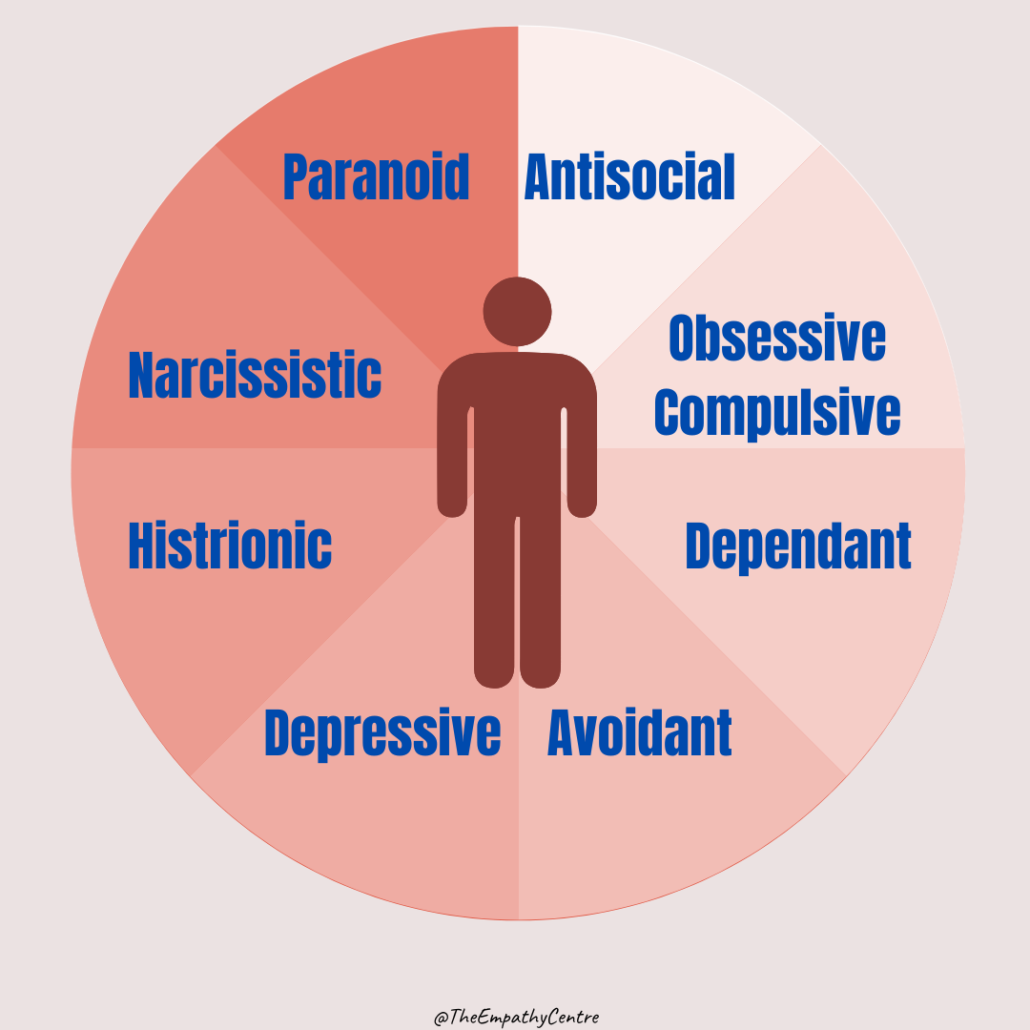
An estimated 4.4% of the adult population in the UK, or roughly one in 23 people, suffers from a personality disorder. Many of these individuals may remain undiagnosed, as access to specialist services for personality disorders is limited. In the United States, research suggests that approximately 9-15% of the adult population may suffer from some form of personality disorder. However, like in the UK, a significant number of these individuals remain undiagnosed, which could be due to stigma, lack of awareness, or limited access to mental health care services. In the Diagnostic and Statistical Manual of Mental Disorders, 5th edition (DSM-5) personality disorders are divided into three ‘clusters’ based on similar characteristics and behaviours, with each cluster representing different patterns of thinking and potential compulsions.
Cluster A: These disorders involve odd, eccentric thinking or behaviour and includes Paranoid Personality Disorder characterized by pervasive distrust and suspicion of others. Schizoid Personality Disorder can cause detachment from social relationships and limited emotional expression. Schizotypal Personality Disorder involves discomfort in close relationships, distorted thinking, and eccentric behaviour.
Cluster B: Involves dramatic, overly emotional, or unpredictable behaviours and includes Antisocial Personality Disorder characterized by disregard for the rights of others, impulsivity, and a lack of empathy. Borderline Personality Disorder involves instability in relationships, self-image, and emotions, with impulsivity and fear of abandonment. Histrionic Personality Disorder marked by excessive emotionality and attention-seeking behaviour. Narcissistic Personality Disorder characterized by grandiosity, a need for admiration, and a lack of empathy.
Cluster C: These disorders involve anxious, fearful thinking or behaviour, including Avoidant Personality Disorder characterized by feelings of inadequacy, extreme sensitivity to criticism, and social inhibition. Dependent Personality Disorder a pervasive need to be taken care of, leading to submissive and clingy behaviour. Obsessive-Compulsive Personality Disorder can manifest itself by a preoccupation with orderliness, perfectionism, and control (note that this differs from Obsessive-Compulsive Disorder, OCD).
These categories help clinicians better understand and diagnose personality disorders by grouping them based on similarities in behaviour and symptoms.
Identifying someone with a potential personality disorder can be challenging due to subtle traits appearing as typical human behaviours. People with a variety of mental health conditions can seek romantic relationships for various reasons, including validation, control, fear of abandonment, or fulfilling emotional needs. These motivations can vary depending on the disorder but are often rooted in emotional and psychological patterns:
Those with Narcissistic Personality Disorder frequently seek validation and admiration.
People with Borderline Personality Disorder may seek to escape feelings of emptiness and abandonment
Individuals who have Dependent Personality Disorders can seek security and stability.
Those with Obsessive-Compulsive Personality Disorders can seek control and order.
Individuals who have Antisocial Personality Disorders may seek power or material gain.
Coping mechanisms are strategies individuals use to manage stress, emotional challenges, or difficult situations. For people with personality disorders, these mechanisms often take on unique forms due to their distorted patterns of thinking, feeling, and behaving. In general, they may rely on maladaptive coping mechanisms which can include denial, projection, or avoidance. These coping mechanisms, while protective in the short term, often exacerbate interpersonal problems and emotional instability in the long term often leading to complex and dysfunctional dynamics.
Narcissists
“Narcissistic Personality Disorder is named after Narcissus, from Greek mythology, who fell in love with his own reflection. Freud used the term to describe persons who were self-absorbed, and psychoanalysts have focused on the Narcissist’s need to bolster his or her self-esteem through grandiose fantasy, exaggerated ambition, exhibitionism, and feelings of entitlement.” ― Donald W. Black, DSM-5 Guidebook: The Essential Companion to the Diagnostic and Statistical Manual of Mental Disorders
Narcissists, psychopaths, and sociopaths share certain personality traits, although there are distinct disorders with unique characteristics. One commonality is a lack of empathy, as all three exhibit an impaired ability to understand and connect with the experiences of others. They may disregard or manipulate others for personal gain, showing little remorse or guilt for their actions. Additionally, all three may exhibit grandiosity and an inflated sense of self-importance, seeking admiration and validation from others, impulsivity, and risk-taking behaviours, although Narcissists, while not always typically impulsive, may still engage in unwise activities if they believe it will enhance their self-image or serve their own interests. While there can be overlapping traits with each disorder, each has its own distinct set of diagnostic criteria. The level of potential danger and harm caused can vary within each category. A comprehensive evaluation by a qualified mental health professional is necessary to accurately diagnose and differentiate between these conditions. With regards to Narcissists, they can be found across every spectrum of social and economic strata, and many hold positions of influence or power. They often seem to be very successful or well-respected in their communities. They can also appear to be happy in their partnerships, married, and have families. But the pain, abuse, and suffering caused by individuals with a mix of highly toxic narcissistic personality traits are hidden behind closed doors and a very carefully crafted positive image. The Diagnostic and Statistical Manual of Mental Disorders (DSM-5) provides diagnostic criteria for Narcissistic Personality Disorder (NPD) based on the presence of specific traits. According to the DSM-5, a person must exhibit at least five of the following nine criteria to be diagnosed with NPD:
The Nine Official Characteristics of a Narcissist
Arrogant or haughty attitude. Displays an attitude of superiority and a condescending manner towards others.
Sense of entitlement. Expects unwavering compliance or favourable treatment from others.
Exploits others without guilt or remorse. Difficulties in maintaining satisfying and healthy relationships, often characterised by severe interpersonal mistreatment.
An intense need for admiration.
A belief that they are special and can only be understood by other exceptional people.
Exaggerated or grandiose sense of importance that is not evidenced by actual reality.
A preoccupation with fantasies of extraordinary success, wealth, power, beauty, or love.
Envious of others or assume others are envious of them.
Absence of empathy
They frequently possess good social skills and are often charming, charismatic, and full of energy, which helps them make a good first impression. However, Narcissists always have a motive when they entice someone into a fantasy, which is ultimately doomed to fail. Their motivation to become romantically involved with anyone has absolutely nothing to do with any genuine feelings of attraction or love because all of their “relationships” are purely transactional. The male narcissist generally seeks sex or a very attractive woman as a trophy and/or a provider; a female narcissist often pursues a potential partner to provide material gifts, sex, deeds of service, and/or an extravagant courtship that fulfils the initial fantasy of obtaining a ‘perfect’ love affair. Any romantic unions are solely used to boost their egos and provide sources of narcissistic supply, such as status, power, and, of course, sex. Narcissist Red Flags include:
Very charming and charismatic in public (especially when seeking to gain something), but highly critical, rude, and sarcastic in private to partners, close friends, or family members.
Arrogant attitude, with the belief they are infallible.
They believe the only opinion that matters is their own.
Chronic liar. Distorts facts to suit their own selfish agenda.
Multiple failed intimate partnerships.
The Narcissist controls, demeans, and manipulates so insidiously that victims often fail to understand they are actually being psychologically abused. Over a period of time, the result of this type of abuse is often a person who becomes energetically drained, confused, and damaged. There are people who never fully recover or who have even committed suicide due to this type of very dangerous abuse. In extreme cases, the partner of a a person with NPD may experience significant distress and potentially be at risk for various mental health challenges, including suicidal ideation. The experience with an extreme Narcissist can be very manipulative and psychologically damaging. The constant invalidation and exploitation from a narcissistic partner can result in their partner feeling trapped, hopeless, and overwhelmed. Over time, their self-esteem and sense of self-worth may become deeply eroded, leading to feelings of desperation and even suicidal thoughts.
Dating
“Narcissists have a tough job because perfection is viewed as either all or nothing: If you are not perfect, you are imperfect, and if you are imperfect, you are nothing.” ― Theodore Millon,Personality Disorders in Modern Life
These individuals are very efficient at targeting potential victims to manipulate; if you observe any of the personality traits mentioned along with other negative traits, pay attention and trust your intuition. Inevitably, being romantically involved with this type of person will become highly destructive. Avoid arguments, set personal limits, work on your assertiveness, and stop dating the person as soon as possible. I know from bitter personal experience what it feels like to be conned and manipulated; it can be very easy to make the mistake of beating yourself up for being severely misled. Narcissists generally have underdeveloped emotional intelligence and often throw toddler tantrums when they fail to get what they want. However, they also possess the intellect of an adult and understand very clearly how to manipulate and abuse. The Narcissist usually seeks a partner:
Who can cater to their desires.
That is willing to excessively stroke their ego.
A person who is easy to control and/or manipulate.
The malignant Narcissist is very cunning and dangerous, especially when it comes to intimate romantic connections, and can destroy the lives of their unsuspecting victims. Once a person understands the red flags to look out for, they will no longer be surprised or shocked by how these personality disordered types behave in their general interactions. Despite their frequent confident and arrogant demeanour, they are quite predictable once you understand their motivations, but still extremely dangerous. The mental and even physical abuse will be very subtle at first, with the real possibility of becoming very severe. Sadly, it often does not matter how strong an individual’s character may be at the beginning; if they decide to date a Narcissist he or she will eventually try to break that person down until they lose all sense of their own identity.
If you strongly suspect you are currently in a romantic involvement with a Narcissist, you will almost certainly understand that it has been a challenging and distressing situation. Being involved with a narcissistic abuser can evoke a range of intense and distressing experiences for the person being targeted. These feelings may include confusion, self-doubt, and a constant sense of ‘walking on eggshells.’ You may have experienced a rollercoaster of emotions, oscillating between moments of hope and despair, and felt manipulated, devalued, and invalidated, leading to a deep sense of diminished sense of self-worth. These feelings are very common in this type of scenario, with victims often struggling with a mix of fear, anxiety, and a constant need to please their partner to avoid conflict or retaliation. There may be feelings of being isolated as the abuser actively works to cut off their partner from their family and friends. Overall, being involved with a Narcissist can be an extremely draining and destabilising experience, leaving the victim feeling trapped, exhausted, and questioning their own reality. The following are several of your likely experiences:
Emotional Manipulation
Narcissists are usually very skilled at manipulating their partners’ to maintain control and power and can engage in Gaslighting, guilt trips, blame-shifting, or angry outbursts to control their partner.
Lack of Empathy & Validation
They have difficulty empathising with others and often prioritise their own needs and desires over their partners. It is likely your opinions and feelings have been dismissed or belittled, and your feelings, experiences, and concerns have been invalidated or trivialised. This lack of empathy has left you feeling unheard, unimportant, and neglected.
Exploitation & Entitlement
Often exploiting others for personal gain, they may take advantage of their partner’s resources, time, or support without reciprocation while possibly exhibiting a sense of entitlement, expecting their partner to fulfil their needs and desires without consideration for their partner’s well-being.
Constant Criticism & Devaluation
Narcissists may engage in a pattern of devaluing their partner, criticising their appearance, abilities, or achievements. This devaluation serves to maintain the narcissist’s sense of superiority and control. The partner may experience a constant barrage of negative comments, undermining their self-esteem and self-worth.
Intense Control & Power Dynamics
They often seek to exert control over their partners, dictating their actions, choices, and social interactions. Narcissists may isolate their partner from friends and family, monitor their activities, or exhibit possessive behaviour. This control serves to reinforce the narcissist’s dominance and diminish their partner’s independence.
Emotional Roller Coaster
A relationship with a Narcissist can be marked by frequent and extreme highs and lows who may engage in ‘Love Bombing’ during the initial stages, showering you with attention, affection, and compliments. However, devaluation and withdrawal of their affection typically follow this intense phase, creating confusion.
Diminished Self-Esteem & Self-Confidence
Over time, the constant criticism, manipulation, and devaluation from the extreme narcissist can erode the partner’s self-esteem and self-confidence. You may have started questioning your self-worth, feel constantly on edge, and struggle with a diminished sense of identity and autonomy.
These experiences may vary in intensity and presentation among individuals. Leaving a narcissistically abusive partner can be a challenging and complex process, but there are steps that can be taken to increase safety and minimise potential harm. First and foremost, prioritise your safety and well-being above all else. Gather evidence of the abuse, such as text messages or incidents, as this may be important for legal or protective purposes. Plan your exit carefully and discreetly, considering timing, logistics, and the availability of a safe place to stay. After leaving, set firm restrictions regarding contact or attempts to reconcile. Develop a safety plan that includes finding a safe place to go and informing trusted friends or family members about your situation. A domestic abuse organisation that can provide guidance and practical assistance throughout the process. Consulting with a therapist who specializes in this particular personality disorder can be very beneficial for partners of toxic narcissists, but realistically, speaking from personal experience, the prospects for a successful union are extremely bleak.
(C) Nigel Beckles
https://authornigelbeckles.com/wp-content/uploads/2022/11/logo-001-300x286.png00Nigel Beckleshttps://authornigelbeckles.com/wp-content/uploads/2022/11/logo-001-300x286.pngNigel Beckles2024-10-12 08:34:172024-10-12 11:05:28Relationships & Personality Disorders: Part 1
Boundaries play a crucial role in maintaining healthy relationships by establishing clear limits and expectations between individuals while defining what is acceptable and what is not and protecting personal space, emotions, and values. In good relationships, boundaries ensure that each person feels respected, valued, and understood, fostering a sense of safety and mutual trust. Without certain limitations, relationships can become unbalanced, with one person potentially overstepping and dominating the other, leading to feelings of resentment, frustration, or even emotional abuse. Sensible personal boundaries allow individuals to maintain their own identities within a relationship, promoting self-care and autonomy. They help partners communicate their needs and desires more effectively, reducing misunderstandings and conflicts.
These rules are not about building walls but rather about creating a framework within which a relationship can thrive; boundaries can evolve as the relationship grows, adapting to new situations or deeper levels of intimacy. In contrast, a lack of boundaries often leads to excessive attachment or co-dependency, where personal identities blur and individuals may lose sight of their own needs. One partner feels they cannot function without the other, or in the opposite extreme, where a person feels suffocated and trapped. By respecting each other, partners can build a relationship that is supportive, balanced, and fulfilling for both parties. Personal boundaries are essential for maintaining a healthy and respectful relationship. When these boundaries are not respected, it can lead to discomfort, resentment, and even emotional damage. Here are several examples of personal boundaries not being respected in a relationship:
Emotional Boundaries
A partner dismisses or belittles your feelings, making you feel like your emotions are not valid. You ask for space to process your emotions, but your partner pressures you to talk or “get over it” quickly.
Physical Boundaries
A partner touches you or invades your personal space without your consent, even after you’ve expressed discomfort. You’re not feeling well and ask for some time alone, but your partner continues to engage in physical affection despite your requests.
Time Boundaries
Your partner expects you to be available 24/7, not respecting your need for time alone, with friends, or for personal hobbies. You have set aside time to work on a personal project, but your partner repeatedly interrupts or demands your attention.
Privacy Boundaries
Your partner goes through your personal belongings, such as your phone, computer, or journal, without your permission. You ask for privacy while you’re working or on a personal call, but your partner ignores your request and intrudes.
Sexual Boundaries
A partner pressures or coerces you into sexual activities that you are uncomfortable with or have explicitly said no to. Your partner disregards your requests to stop or slow down during intimate moments, ignoring your comfort levels.
Financial Boundaries
A partner demands access to your personal bank accounts or criticises your spending habits without respecting your financial autonomy. – You’ve agreed on a budget, but your partner repeatedly makes significant purchases without consulting you, disregarding the agreed-upon financial boundaries.
Social Boundaries
Your partner insists on controlling who you can and cannot spend time with, isolating you from friends or family. A partner shares personal details about your relationship with others without your consent, breaching your trust and privacy.
Intellectual Boundaries
Your partner mocks or dismisses your opinions, beliefs, or ideas, making you feel intellectually inferior. – You express a differing opinion, but your partner refuses to listen and insists on their viewpoint, shutting down any form of discussion.
Material Boundaries
A partner borrows your belongings without asking and does not return them or returns them damaged. You have specific items that are important or sentimental to you, but your partner uses or moves them without respecting your wishes.
In the examples provided, the lack of respect for personal boundaries can cause significant stress and harm in a relationship. If you believe your boundaries are being consistently disrespected, consider seeking the help of a therapist.
Recommendations
Clearly communicate your needs and limits to your partner and encourage them to do the same. Open, honest communication is the foundation of effective boundaries. Respect your partner’s boundaries, even if they differ from your own. Understanding and valuing their perspective is key to maintaining mutual respect. Regularly reassess your boundaries as the relationship evolves. What worked at the beginning might need adjustment as you grow together.
Practice self-awareness by reflecting on your emotional responses. If something feels uncomfortable or invasive, it may be a sign that a boundary needs to be established or reinforced.
Be consistent in upholding your boundaries. It’s important to stay firm, even if it’s challenging, to ensure that your needs are respected. Seek compromise where possible. Boundaries should not be rigid barriers but flexible guides that allow for negotiation and mutual understanding.
Encourage your partner to set their own boundaries and be supportive when they do. This promotes a balanced relationship where both individuals feel empowered.
Engaging with counselling or therapy can help to navigate difficult conversations and reinforce the importance of boundaries in the relationship. It is essential for both partners to communicate openly to ensure they are mutually respected and to maintain a healthy, balanced union.
(C) Nigel Beckles
https://authornigelbeckles.com/wp-content/uploads/2022/11/logo-001-300x286.png00Nigel Beckleshttps://authornigelbeckles.com/wp-content/uploads/2022/11/logo-001-300x286.pngNigel Beckles2024-09-03 22:32:152024-09-03 22:47:20The Role of Boundaries in Maintaining Healthy Relationships
“Almost universally, the kind of performance we give on social media is positive. It’s more “Let me tell you how well things are going. Look how great I am.” It’s rarely the truth: “I’m scared. I’m struggling. I don’t know.” ― Ryan Holiday, Ego Is the Enemy
The internet has revolutionised the way we communicate and interact, deeply influencing modern relationships in ways that are both positive and negative. While it offers unparalleled connectivity, allowing people to maintain relationships across distances and time zones, it also introduces a range of challenges that can complicate connections, particularly romantic ones. One of the most significant impacts of social media on relationships is its ability to facilitate constant communication. Couples can now stay in touch throughout the day, sharing experiences, thoughts, and feelings instantly. This constant connection can enhance intimacy and strengthen bonds, as partners feel more involved in each other’s lives. However, it can also lead to an overwhelming sense of surveillance or pressure to maintain constant contact, potentially leading to feelings of suffocation or burnout within the relationship. Moreover, social media platforms encourage the curation of a public image, which can sometimes be at odds with reality. In relationships, this can create a disconnect between how partners present themselves online and how they actually feel or behave in private. The pressure to portray a ‘perfect’ relationship can lead to dissatisfaction as individuals compare their own lives to the idealised versions they see in their feeds. This phenomenon, known as ‘social comparison,’ can cause feelings of security, jealousy, and a sense of inadequacy, which can strain relationships.
Another critical aspect of social media’s influence is its role in enabling or exacerbating issues of trust and fidelity. The ease with which people can connect and communicate with others online can lead to temptations and opportunities for infidelity, whether emotional or physical. The ambiguity of online interactions—such as liking, commenting, or messaging—can be a source of confusion and suspicion between partners. Some people experience feelings of jealousy or possessiveness when they see their partner’s presence on social media, particularly when they perceive their interactions with others as flirtatious or inappropriate. Social media can present these challenges, but it may also influence conflict management within relationships. Public airing of grievances or passive-aggressive posts can escalate tensions, making private conflicts public and subject to external opinions. This can undermine the resolution process and erode trust between partners. On the other hand, social media can also provide platforms for seeking advice and support from friends, family, or even online communities, which can be beneficial in navigating relationship challenges.
Potential for Abuse
“Cyber bullying occurs online daily. Most don’t consider their actions or words to be bullying. Here’s a few clues that you’re a cyber bully. (1) You post information about someone in order to ruin their character. (2) You post threats to someone. (3) You tag someone in vulgar degrading posts. (4) You post any information intended to harm or shame another individual seeking to gain attention. Then, you are a cyber bully and need to get some help.” ― Amaka Imani Nkosazana, Sweet Destiny
Social media can unfortunately become a breeding ground for abusive behaviours in relationships. The dynamics are often subtle, making it difficult to identify and address however, the impact can be profound which can lead to significant emotional and psychological harm. Red Flags include:
Cyberstalking
An abusive partner may use social media to constantly monitor their partner’s activities, interactions, and connections. This behaviour often stems from a deep-seated need for control and an unhealthy desire to exert power over their partner. The abusive person invades their partner’s privacy by tracking every post, comment, or like, creating a sense of constant surveillance that can be deeply unsettling causing anxiety.
Emotional Manipulation
Individuals might use social media to publicly shame or embarrass their partner which can include making derogatory comments on their partner’s posts, sharing private information without consent, or spreading rumours. The public nature of these platforms can amplify the humiliation and harm caused by this type of behaviour, leaving the victim feeling exposed and powerless.
Gaslighting
An abusive partner might distort reality by manipulating what their partner sees or experiences online. For example, they might delete messages or alter conversations to make their partner doubt their own memory or perception. This form of psychological abuse can erode the victim’s self-confidence and sense of reality, leading to confusion, self-doubt, and emotional distress.
Jealousy and Possessiveness
Social media can in some people cause feelings of jealousy and possessiveness which are common precursors to abuse. The visibility of interactions with others such as liking a photo or commenting on a post can trigger unfounded accusations and mistrust. An abusive partner may accuse their partner of infidelity based on innocent online interactions, leading to controlling behaviours such as demanding passwords or restricting social media use.
Isolation
A common tactic in abusive relationships is the abuser seeking to isolate their partner. An abusive partner might pressure their partner to unfollow friends, block contacts, or deactivate their accounts entirely. By cutting off their partner’s access to social networks, the abuser increases their control and reduces the support system available to the victim, making it harder for them to seek help or leave the relationship.
Potential Acts of Revenge
Leaving an abusive relationship can even more challenging due to the fear of retaliation, such as the abuser posting private photos or messages which can trap victims in toxic situations. The threat of public exposure or humiliation is a powerful tool of coercion, keeping victims in a state of fear and compliance.
Social media can amplify traditional forms of abuse and introduce new ones, creating complex dynamics that can be challenging to navigate, so it is very important for individuals in relationships to be aware of these potential dangers and to establish healthy boundaries online and in real life to protect their emotional well-being. The impact of social media on modern relationships can be positive but may also create various problems; while it offers opportunities for connection and support, it also presents challenges related to trust, communication, and self-perception. Couples dealing with challenges related to social media use should consider the following recommendations:
Limit Social Media Time
Set aside times like meals, dates, and bedtime to focus on each other without your phones.
Set Clear Boundaries
Establish what is and isn’t acceptable behaviour on social media. Discuss guidelines for interactions with others online, privacy settings, and what content is appropriate to share.
Communicate Openly
Talk about how each of you feels about your social media usage on a regular basis. Share any concerns or insecurities to ensure that both partners feel heard and understood.
Avoid Public Conflicts
Keep personal disagreements off social media. Resolve issues privately to maintain trust and respect within the relationship.
Be Transparent
Consider sharing passwords or allowing open access to each other’s social media accounts if both partners agree. This can help build trust and reduce feelings of secrecy or suspicion.
Support Each Other Online
Use social media as a tool to uplift and support each other. Publicly celebrating milestones, achievements, or expressing appreciation can strengthen the relationship.
Avoid Comparing
Remind each other that social media often presents a highlight reel, not the full picture. Avoid comparing your relationship to others online, as it can lead to unnecessary dissatisfaction.
Handle Insecurities Together
If social media interactions cause feelings of jealousy or insecurity, discuss them calmly and work together to address the underlying issues.
Take Social Media Breaks
Occasionally unplug from social media to reconnect with each other without digital distractions. This can help reset your focus on the relationship.
Educate Yourselves
Learn about the potential impacts of social media on relationships. Understanding how social media can affect your relationship dynamics can help you navigate its challenges more effectively.
These recommendations can help couples maintain a healthy balance between their online and offline lives, ensuring that social media enhances rather than detracts from their relationship.
“If you are on social media, and you are not learning, not laughing, not being inspired or not networking, then you are using it wrong.” ― Germany Kent, Author
In conclusion, social media can be a very useful tool for positive relationship-building. For example, it can help long-distance couples to maintain a sense of closeness, provide platforms for partners to share and celebrate milestones, and allow for the exchange of support and encouragement during tough times. Being online can also be a space for learning and growth, where people can access resources on relationship skills, communication, and conflict resolution but this activity also has major potential hazards. To navigate these challenges, partners must consciously manage their social media use, communicate openly about boundaries and expectations, and prioritize their real-world relationship. By doing this, they can harness the benefits of social media while navigating the potential pitfalls presented online.
(c) Nigel Beckles
https://authornigelbeckles.com/wp-content/uploads/2022/11/logo-001-300x286.png00Nigel Beckleshttps://authornigelbeckles.com/wp-content/uploads/2022/11/logo-001-300x286.pngNigel Beckles2024-08-20 00:17:572024-08-21 23:55:47Social Media’s Impact on Modern Relationships
“People can forgive toxic parents, but they should do it at the conclusion – not at the beginning – of their emotional housecleaning. People need to get angry about what happened to them. They need to grieve over the fact that they never had the parental love they yearned for. They need to stop diminishing or discounting the damage that was done to them.” ― Susan Forward, Toxic Parents: Overcoming Their Hurtful Legacy and Reclaiming Your Life
After I published my previous article earlier this month regarding passive-aggressive behaviour (https://authornigelbeckles.com/2024/05/12/https-authornigelbeckles-com-passive-aggressive-behaviour/), someone contacted me online and explained they were currently having severe difficulties with certain members of their family. This is a topic that, in my opinion, is not discussed enough, and having experienced emotional abuse from certain relatives myself, I thought sharing my observations would be helpful to others who have faced similar challenges.
The following is an explanation, not a summary of excuses for the toxic mistreatment of others. A parent’s abusive actions can often stems from a complex interplay of personal history, psychological factors, and environmental influences. One significant factor is the parent’s own upbringing. Parents who were abused or neglected as children may internalise their experiences as being normal and perpetuate the cycle of abuse with their own children. Psychological issues such as unresolved trauma, depression, anxiety, or personality disorders can also contribute to abusive tendencies. These issues might cause a parent to project their own pain and frustration onto their children. Stress and external pressures, such as financial difficulties, relationship problems, or a lack of social support, can intensify a parent’s tendency to be abusive. When overwhelmed by these stressors, a parent may become abusive in a misguided attempt to regain a sense of control. Substance abuse may also be a factor, as this can impair judgement, lower inhibitions, and increase the likelihood of violent or neglectful parenting.
“Our background and circumstances may have influenced who we are, but we are responsible for who we become.” – Barbara Geraci
It is possible cultural and societal influences can also play a role where violence or strict authoritarianism are normalised and parents adopt abusive practices, believing them to be acceptable or necessary for discipline. Additionally, a lack of awareness or understanding regarding healthy parenting techniques can lead to the use of harmful behaviours. In essence, abusive parenting is rarely the result of a single cause but rather the outcome of multiple contributing factors, often deeply rooted in the parent’s childhood experiences, psychological state, and current life circumstances. Therapy, support networks, and education can address these underlying issues, provided the parent is prepared to acknowledge that their abusive conduct is unacceptable.
Enablers
“Life isn’t hard, it’s the certain people in your life that make it hard.” ― Lorelei Balansa, Author
These individuals can play a significant role in perpetuating and sustaining parental abuse, often without fully realising the extent of their impact. These individuals may be other family members, friends, or even community members who, through their actions or inactions, allow the abuse to continue unchecked. One way enablers contribute to parental abuse is by denying or minimising the severity of the abuse. They might downplay the abuse, thereby normalising the behaviour and preventing the abuser from facing any potential consequences. Denial creates an environment where the abusive parent feels justified and empowered to continue their harmful actions. Enablers can also contribute by refusing to intervene or taking action to protect the victim. Inaction can stem from fear, ignorance, or a misguided sense of loyalty to the abuser; their inaction indirectly supports the perpetrator and sends a message that the abuse is tolerable or even acceptable. In other cases, enablers may actively defend or make excuses for the abusive parent. They might rationalise the abuse by claiming external stress factors such as financial difficulties or personal problems, thereby shifting the blame away from the abuser. This type of defence perpetuates the abusive dynamic by providing the abuser with justification and validation for their actions. The person may be dependent on the abuser for financial support, emotional security, or social status because any kind of dependency can create a powerful incentive to ignore or support the abuse, as challenging the abuser might threaten the enabler’s own stability or well-being. In addition, enablers may contribute to the hostile treatment by discouraging the abused person from speaking or seeking help, thereby keeping the abusive conduct hidden and unchallenged. Isolation makes it more difficult for the victim to escape the abusive situation or receive the support they need. Their tacit acceptance of abuse creates an environment in which mistreatment can thrive. Addressing the role of an enabler can be challenging, and it may be better to cease any type of contact.
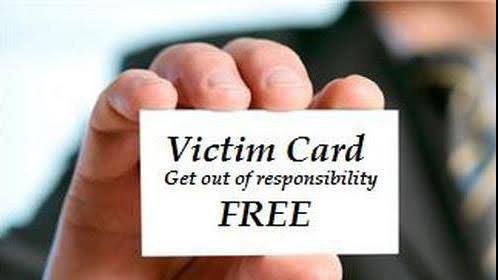
Abusers Playing the ‘Victim’
“It’s easier to play the victim when you’re not the mastermind behind all your bad decisions.” H.D. Carlton, Haunting Adeline
Abusive parents and other abusers often play the victim when confronted about their behaviour as a manipulative tactic to deflect blame, avoid accountability, and maintain control. Perpetrators typically have an inflated sense of self and an inability to accept fault. When confronted, they may experience a narcissistic injury, a threat to their self-image that they find intolerable. To protect their egos, they deflect blame onto the actual victim, portraying themselves as the wronged party. This is a form of psychological projection, where they attribute their own negative traits or actions to someone else. Abusers often employ Gaslighting which involves making the victim doubt their own perceptions and memories. By consistently denying their abusive actions and presenting themselves as victims, abusers can make the actual victim question their reality and feel guilty or responsible for the conflict. Over time, this erodes the victim’s self-esteem and self-trust, making them more dependent on the abuser and less likely to seek help or assert their own experiences.
These individuals can be very skilled at manipulating narratives to their advantage. They often present a distorted version of events to friends, family, and authorities, emphasising their own suffering while downplaying or denying their abuse. The tactic often involves selective truth-telling, in which they share only parts of the story that cast them in a favorable light or outright lies to garner sympathy and support. They might also exploit societal biases or stereotypes, such as the belief that parents are inherently loving and nurturing, to make their victimhood more plausible. Another strategy involves the use of charm and charisma to win over others. Abusers can be very persuasive and likeable in public, creating a stark contrast between their public persona and how they act in private. This can make it difficult for others to believe the victim’s claims of abuse, as they only see the abuser’s positive side. In legal and institutional settings, abusers might use the system to their advantage by filing false reports or accusations against the victim, further complicating the situation and painting themselves as aggrieved parties, resulting in legal and social repercussions for the abused person and reinforcing the abuser’s control.
When an adult experiences parental abuse, it is essential to recognize the importance of taking steps to protect their emotional and mental health, including:
Acknowledge the Abuse
The first step is acknowledging the abuse. This can be difficult, especially when the perpetrator is a parent, but identifying the abusive behaviour is essential for taking further action.
Know Your Rights
Educate yourself about your legal rights and options. In some jurisdictions, you may be able to obtain a restraining order or pursue other legal avenues to protect yourself from abuse.
Document the Abuse
Keep a record of abusive incidents, including dates, times, and descriptions of what happened. Documentation can be useful if you decide to seek legal action or need to provide evidence to support your claims.
Create a Safety Plan
If the abuse is physical or you feel your safety is at risk, develop a safety plan. This might include identifying a safe place to go, having a packed bag ready, and knowing emergency contact numbers. It’s important to have a clear plan in place in case you need to leave quickly.
Set Boundaries
Establish clear and firm boundaries with the abusive parent. Clearly communicate whatever is unacceptable and the consequences of crossing your boundaries. You cannot control another person, but you can control how long you tolerate their toxic mistreatment. Set boundaries, prioritize your peace, and remember that their actions are certainly not a reflection of your worth as a human being. Enforcing these boundaries consistently is the master key to maintaining your mental and emotional well-being.
Limit Contact
In some cases, it may be necessary to limit or cut off contact with the abusive parent which can be a difficult decision, but your personal well-being should be of paramount importance. Reducing or eliminating interactions can help you regain control over your life and reduce stress.
Seek Support
Utilise available resources, such as helplines and online forums. Reach out to trusted friends, family members, or a support group. Sharing your experiences with others can provide emotional support and guidance. There are numerous organisations and hotlines dedicated to helping individuals in abusive situations. Connecting with others who have experienced similar situations can provide validation, practical advice, and a sense of community.
Focus on Self-Care
Engage in activities that promote your physical and mental well-being. Exercise, meditation, hobbies, and spending time with supportive people can help you manage stress and build resilience.
Consider Professional Help
Therapy or counselling can be extremely beneficial. A mental health professional can help you process your emotions, develop coping strategies, and build resilience. They can also provide guidance on how to navigate your relationship with the abusive parent.
Always remember that taking action against parental abuse is a significant step towards reclaiming your life and ensuring your well-being. It’s important to prioritize your safety and mental health, even if it means making difficult decisions about your relationship with an abusive parent.I highly recommend Susan Forwards book ‘Toxic Parents: Overcoming Their Hurtful Legacy and Reclaiming Your Life’ which I found extremely helpful regarding understanding my experiences of parental abuse.
“Passive Aggression – Being covertly spiteful with the intent of inflicting mental pain.” ― Ashta-Deb, Life Happens To Us: A True Story
Motivations for Passive-Aggressiveness
Passive-aggressive behaviour is a pattern of indirectly expressing negative feelings, resentment, or aggression towards others. Instead of openly confronting issues, individuals may use subtle, indirect, or passive means to express their anger, frustration, or resistance. This can include the person using sarcasm, sulking, procrastination, deliberately avoiding tasks, giving backhanded compliments, or expressing hostility through nonverbal cues such as eye-rolling or ignoring someone. This type of conduct often stems from feelings of powerlessness, fear of confrontation, or an inability to express emotions openly. It can lead to communication breakdowns, conflicts, and strained relationships as the underlying issues remain unresolved. A variety of factors can motivate immediate family members, relatives, friends, and even intimate partners to resort to passive-aggressive behavior, undermining trust and creating a toxic atmosphere in both professional and personal settings. One common reason is a fear of direct confrontation or conflict. They may feel uncomfortable expressing their feelings openly or fear the consequences of confrontation, such as rejection or retaliation. This covert tactic can also be a way to regain a sense of control in situations where individuals feel powerless or overwhelmed. A lack of assertiveness skills or the belief that openly expressing their feelings will not validate them may lead some individuals to use passive-aggressive strategies as an indirect means of expressing anger or frustration. Some individuals may have learned or copied passive-aggressive behaviour from childhood experiences or from significant others. Overall, passive-aggressive behaviour often serves as a coping mechanism for underlying emotional or psychological issues.
“Passive-aggressive behaviour is the perverse art of letting someone know you’re not happy without actually telling them.” ― Nitin Namdeo, Author
Passive-aggressive individuals often use subtle, indirect, or ambiguous phrases to express their frustrations or displeasure. In person, they might say things like “I’m not being funny, but…” or “Its fine, I’m used to being ignored” and “I guess I’m just not as talented as you.” This type of behaviour can manifest in various ways when engaging with online platforms like Facebook or Instagram. Someone might post vague or cryptic status updates or comments that hint at their feelings without directly expressing them. They might post something ambiguous like “Some people just don’t appreciate all that you do.” or “ I’m just saying…” or leave cryptic comments such as “It must be nice to have it all figured out.” Other language can also be used such as sarcasm or backhanded compliments in their posts or comments. These kind of phrases allow them to express their feelings indirectly while maintaining a façade of politeness or innocence.
“Passive-aggressive behaviour is the perverse art of letting someone know you’re not happy without actually telling them.” ― Nitin Namdeo, Author
Individuals can also engage in passive-aggressive actions such as ignoring messages or comments, liking or sharing posts as a form of silent disapproval, or subtly undermining others’ posts especially in online groups. Depending on the person’s motives and objectives, they may target specific individuals or a broader audience with their comments on social media. Often, passive-aggressive behaviour is a devious and underhanded verbal attack; alternatively, someone may use sulking or sullenness to cope with their feelings of anger or hostility. The attack could be conscious or subconsciously triggered, and it could be a compulsive reaction to real or perceived emotional pain. Identifying these attacks can be challenging, and you might not even be certain if you are the target. The perpetrator will usually have excuses and justifications that, on the surface, seem very plausible.
Recommendations
Dealing with passive-aggressive behaviour can be challenging, but there are strategies you can use to address it effectively:
Avoid reacting emotionally to passive-aggressive behaviour. Responding with anger or frustration may escalate the situation and make it harder to resolve.
Stay calm and composed.
Address the behaviour immediately and directly.
Calmly and assertively communicate with the person about their behaviour.
Set clear boundaries.
Clearly define what conduct is unacceptable, as well as the consequences of continuing the behaviour. Stick to your boundaries and follow through with consequences if necessary.
If appropriate, encourage the person to communicate openly rather than resorting to passive-aggressive tactics.
If you find yourself targeted by passive-aggressive comments or actions practice self-care activities that help you manage stress and seek to maintain a positive outlook despite dealing with this type of challenging behaviour. In a situation where the interaction persists you may choose to disengage with the person behaving in this way. If their behaviour begins to impact your mental health, consider speaking to a close friend or family member. Alternatively, seek support from a therapist or counsellor.
“Jealous people can be quite mean in an attempt to feel better about themselves, but you do not have to give them that power.” ― Nyki Mack, Author
Relationship Insecurities
Jealousy and insecurity in relationships can stem from various underlying causes, both internal and external. One common internal cause is low self-esteem, where individuals may struggle with feelings of inadequacy or unworthiness. This can lead them to perceive themselves as less desirable or lovable compared to others, triggering feelings of jealousy when their partner interacts with others. Past experiences of rejection, abandonment, or betrayal can also contribute to deep-seated insecurities, making it difficult for individuals to trust their partner and feel secure in the relationship. External factors such as societal norms, cultural influences, and media portrayals of idealised relationships can also play a significant role in creating feelings of jealousy and insecurity. Societal pressure to conform to unrealistic standards of beauty, attractiveness, or success can magnify feelings of inadequacy. A person may compare themselves unfavourably to others, making them doubt their partner’s fidelity or commitment. In addition, past traumas or unresolved emotional wounds can resurface in intimate relationships, triggering a fear of abandonment or rejection. In some cases, jealousy and insecurity may arise from specific behaviours or actions within the union, such as perceived or actual flirtation with others, secretive communications, or a lack of transparency about past romantic connections. These behaviours can erode trust and create a sense of uncertainty, prompting individuals to feel threatened or insecure about the stability of the relationship.
Partners who struggle with jealousy or insecurity issues may exhibit a range of behaviours that reflect their internal struggles and fears. These behaviours can vary depending on the individual and the specific circumstances of the relationship, but some common examples include:
Constant Questioning
They may repeatedly seek reassurance from their partner about their feelings, intentions, or interactions with others. This can manifest as incessant questioning about past relationships, suspicious behaviour, or concerns about potential threats to the relationship.
Monitoring or surveillance
They may engage in monitoring their partner’s activities, such as checking their phone or social media accounts, tracking their whereabouts, or asking friends or acquaintances for information about their partner’s behaviour.
Controlling Behaviour
They may attempt to control their partner’s actions, friendships, or social interactions in an effort to minimise perceived threats to the relationship. This can include restricting their partner’s contact with certain individuals, monitoring their communication, or attempting to isolate them from friends or family members.
Accusations and blame
They may frequently accuse their partner of infidelity or dishonesty, even in the absence of evidence. This can create tension and conflict within the relationship, as the accused partner may feel unfairly targeted and defensive.
Emotional Outbursts
They may experience intense emotions such as anger, frustration, or sadness in response to perceived threats or triggers. These emotions can manifest as arguments, tears, or emotional withdrawal, creating a cycle of conflict and tension in the relationship.
Self-Sabotaging Behaviours
They may engage in behaviours that undermine the relationship, such as pushing their partner away, testing their loyalty, or seeking validation from others. These behaviours may stem from a fear of intimacy or abandonment, leading to a pattern of self-sabotage in their relationships.
These types of issues can have significant negative impacts on a relationship, often leading to tension, conflict, and emotional distress for both partners. When one or both partners struggle with these concerns, it can create a toxic dynamic characterised by mistrust, suspicion, and emotional volatility that erodes trust within the relationship. Constant questioning and monitoring behaviours can create an atmosphere of suspicion and doubt, making it difficult for partners to feel secure and emotionally connected. This lack of trust can lead to feelings of betrayal or resentment. Additionally, jealousy and insecurity issues can contribute to a cycle of conflict and emotional turmoil within the relationship. Partners may find themselves caught in a constant cycle of arguments, accusations, and emotional outbursts as they struggle to navigate the challenges of jealousy and insecurity. This pattern of conflict can create a toxic environment characterised by stress, anxiety, and emotional distress, ultimately taking a toll on the mental and emotional health of both partners. Feelings of jealousy and insecurity can often manifest in controlling behaviours as one person attempts to limit their partner’s interactions with others or dictate their behaviour. This can lead to feelings of suffocation and resentment in the partner who feels controlled, who may feel constrained regarding their independence. Over time, this imbalance of power can lead to a breakdown in communication and emotional intimacy, further weakening the relationship.
Jealousy and insecurity issues can sometimes escalate to the point where they contribute to the development of an abusive relationship dynamic. When one partner’s jealousy or insecurity becomes pervasive and controlling, it can create a power imbalance within the relationship that leads to abusive behaviour. Jealous and insecure partners may exhibit controlling behaviours as a means of exerting power and dominance over their partner. This can include monitoring their partner’s activities, restricting their interactions with others, and dictating their behaviour. Over time, these controlling behaviours can escalate to more overt forms of abuse, such as emotional manipulation, verbal abuse, or physical violence. Abusers may also use emotional manipulation tactics to maintain control over their partner. They may use guilt-tripping, Gaslighting, or other manipulative tactics to undermine their partner’s confidence and self-esteem, making them more dependent on the abusive partner for validation and approval. As the jealous partner’s fears and insecurities intensify, they may become increasingly volatile and prone to emotional outbursts. This can lead to arguments, verbal abuse, and other forms of emotional aggression, creating a hostile and unpredictable environment for their partner. As tensions escalate and emotions run high, the jealous partner may resort to physical aggression as a means of asserting control or expressing their anger and frustration. In some cases, jealousy and insecurity issues can result in physical violence within the relationship. This can result in serious harm to the other partner and further perpetuate the cycle of abuse. Overall, jealousy and insecurity issues can contribute to the development of an abusive relationship dynamic characterised by control, manipulation, and violence.
Conclusion
Feelings of jealousy and insecurity can be complicated emotions that can be influenced by a combination of internal and external factors, past experiences, and relationship dynamics. Addressing these issues requires open and honest communication, building trust, and addressing underlying insecurities through self-reflection and attempts towards personal growth. Therapy or counselling can also be beneficial for individuals and couples seeking to navigate and overcome jealousy and insecurity in their relationships.
https://authornigelbeckles.com/wp-content/uploads/2022/11/logo-001-300x286.png00Nigel Beckleshttps://authornigelbeckles.com/wp-content/uploads/2022/11/logo-001-300x286.pngNigel Beckles2024-04-26 00:25:552024-04-26 17:12:28Insecurity and Jealousy in Relationships
We may request cookies to be set on your device. We use cookies to let us know when you visit our websites, how you interact with us, to enrich your user experience, and to customize your relationship with our website.
Click on the different category headings to find out more. You can also change some of your preferences. Note that blocking some types of cookies may impact your experience on our websites and the services we are able to offer.
Essential Website Cookies
These cookies are strictly necessary to provide you with services available through our website and to use some of its features.
Because these cookies are strictly necessary to deliver the website, refusing them will have impact how our site functions. You always can block or delete cookies by changing your browser settings and force blocking all cookies on this website. But this will always prompt you to accept/refuse cookies when revisiting our site.
We fully respect if you want to refuse cookies but to avoid asking you again and again kindly allow us to store a cookie for that. You are free to opt out any time or opt in for other cookies to get a better experience. If you refuse cookies we will remove all set cookies in our domain.
We provide you with a list of stored cookies on your computer in our domain so you can check what we stored. Due to security reasons we are not able to show or modify cookies from other domains. You can check these in your browser security settings.
Other external services
We also use different external services like Google Webfonts, Google Maps, and external Video providers. Since these providers may collect personal data like your IP address we allow you to block them here. Please be aware that this might heavily reduce the functionality and appearance of our site. Changes will take effect once you reload the page.
Google Webfont Settings:
Google Map Settings:
Google reCaptcha Settings:
Vimeo and Youtube video embeds:
Privacy Policy
You can read about our cookies and privacy settings in detail on our Privacy Policy Page.