
The Importance of Cultivating Emotional Resilience
“What helps you persevere is your resilience and commitment.” ― Roy T. Bennett, The Light in the Heart
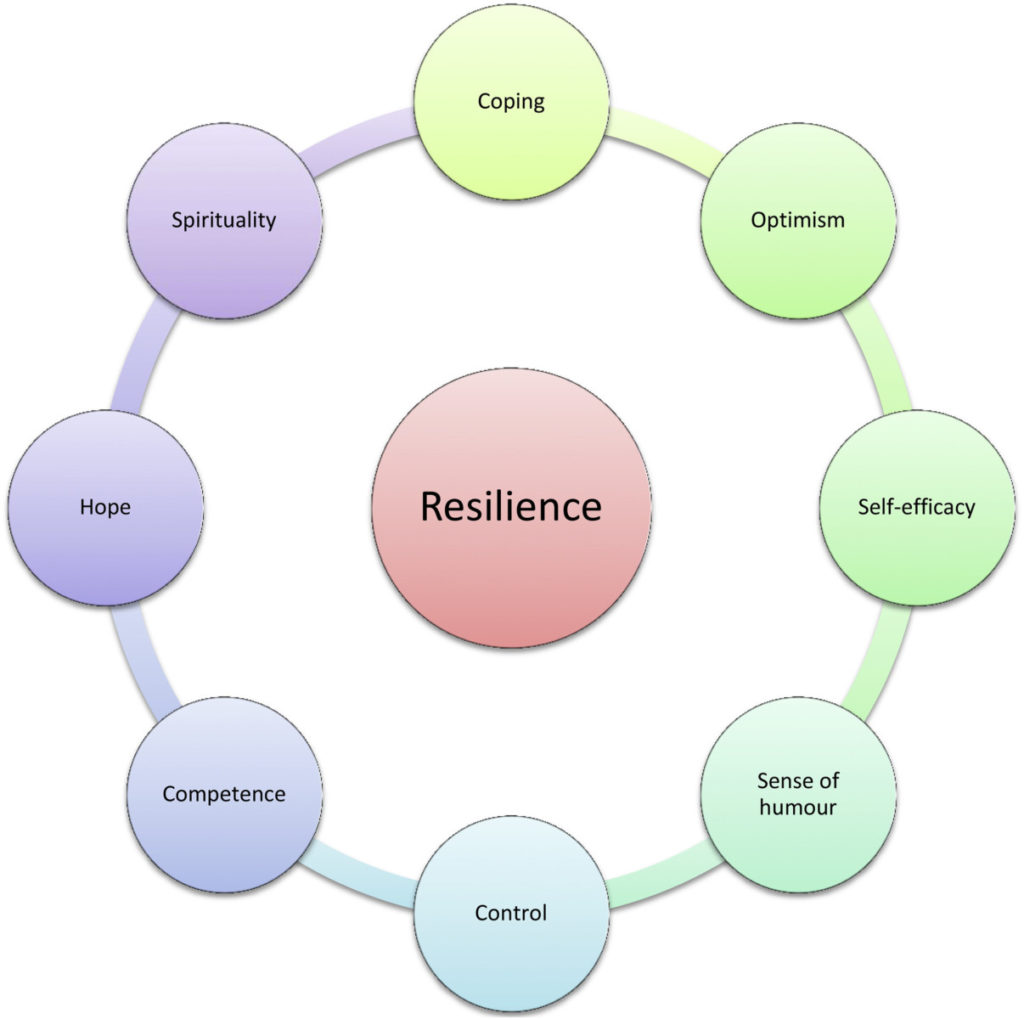
Emotional Resilience refers to an individual’s ability to adapt and bounce back from challenging or stressful situations, maintaining mental well-being, and effectively coping with adversity. It involves developing the capacity to navigate through setbacks, stressors, and emotional upheavals while maintaining a positive outlook and psychological equilibrium. Improving emotional resilience is a valuable endeavour that can enhance one’s overall mental health and well-being. Here are some key strategies individuals can employ to strengthen their emotional resilience:
Building a Supportive Network
Cultivating strong social connections and seeking support from friends, family, or support groups can provide an essential foundation for emotional resilience. Having a network of trusted individuals who can provide empathy, understanding, and practical assistance during difficult times is invaluable.
Developing Coping Strategies
Identifying and developing healthy coping mechanisms is crucial for building emotional resilience. This can include engaging in activities that promote relaxation and stress reduction, such as exercise, mindfulness, journaling, or engaging in hobbies and interests that bring joy and a sense of accomplishment.
Practising Emotional Awareness
Being attuned to and acknowledging one’s emotions is essential for developing emotional resilience. This involves recognising and accepting a wide range of emotions, both positive and negative, and learning to manage them effectively. Emotional awareness allows individuals to process their feelings and respond in a more adaptive manner.
Cultivating Optimism and Positive Thinking
Fostering a positive mindset and optimism can contribute significantly to emotional resilience. This involves reframing negative thoughts, focusing on strengths and solutions, and cultivating a sense of gratitude. Developing emotional resilience helps individuals approach challenges and see setbacks as opportunities for growth.
Enhancing Problem-Solving Skills
Strengthening problem-solving skills empowers individuals to effectively tackle difficulties and setbacks. It involves breaking down problems into manageable steps, brainstorming solutions, and considering alternative perspectives. Possessing proactive problem-solving abilities enhances a person’s sense of control and resilience in the face of challenges.
Practising Self-Care
Prioritising self-care is crucial for emotional resilience. This includes attending to physical health, getting adequate sleep, practising good nutrition, and engaging in activities that bring joy and relaxation. Taking care of oneself holistically provides the energy and resources needed to cope with adversity.
Cultivating Flexibility and Adaptability
The ability to adapt to changing circumstances and setbacks is essential for emotional resilience. This involves being open to new perspectives, adjusting goals or expectations when necessary, and finding alternative paths forward. Flexibility allows individuals to navigate obstacles with resilience and maintain a sense of control.
Stress Management
Effective stress management offers numerous advantages for both mental and physical well-being. By adopting strategies to cope with and alleviate stress, individuals can experience reduced levels of anxiety and tension, leading to enhanced mental clarity and focus. This, in turn, promotes better decision-making and problem-solving skills. Additionally, effective stress management contributes to improved emotional resilience, supporting people to navigate challenges with a sense of purpose and greater confidence. Physically, it can lead to better overall health, as chronic stress has been linked to various health issues. Moreover, fostering a stress-resilient mindset can positively impact relationships, promoting more constructive communication and healthier connections with others. Overall, the benefits extends across multiple facets of life, supporting a more balanced and fulfilling existence.
Seeking Professional Support
In some cases, seeking support from a mental health professional, such as a psychologist or therapist, can be instrumental in developing emotional resilience. They can provide guidance, offer evidence-based strategies, and create a safe space for exploring and processing your emotions.

“When a river of tears and a load of grief keep on flowing from a mountain of broken trust, feelings may relentlessly besiege the stronghold of our flesh. Only a timely adjustment with our mental compass can shore up confidence, resilience; and reliance.”― Erik Pevernagie, Author
Remember, building emotional resilience is a process that takes time and practise. It’s important to approach it with patience, self-compassion, and a willingness to learn and grow. By implementing these strategies and seeking support when needed, individuals can enhance their emotional resilience and navigate life’s challenges with greater strength and well-being.
© Nigel Beckles 20th November 2023