
Relationships & Personality Disorders: Part 3
“Histrionic individuals engage in very dramatic behaviour with exaggerated displays of emotion and an impressionistic style of speaking that come off as disingenuous to discerning onlookers.” – Shahida Arabi, Thought Catalogue Online
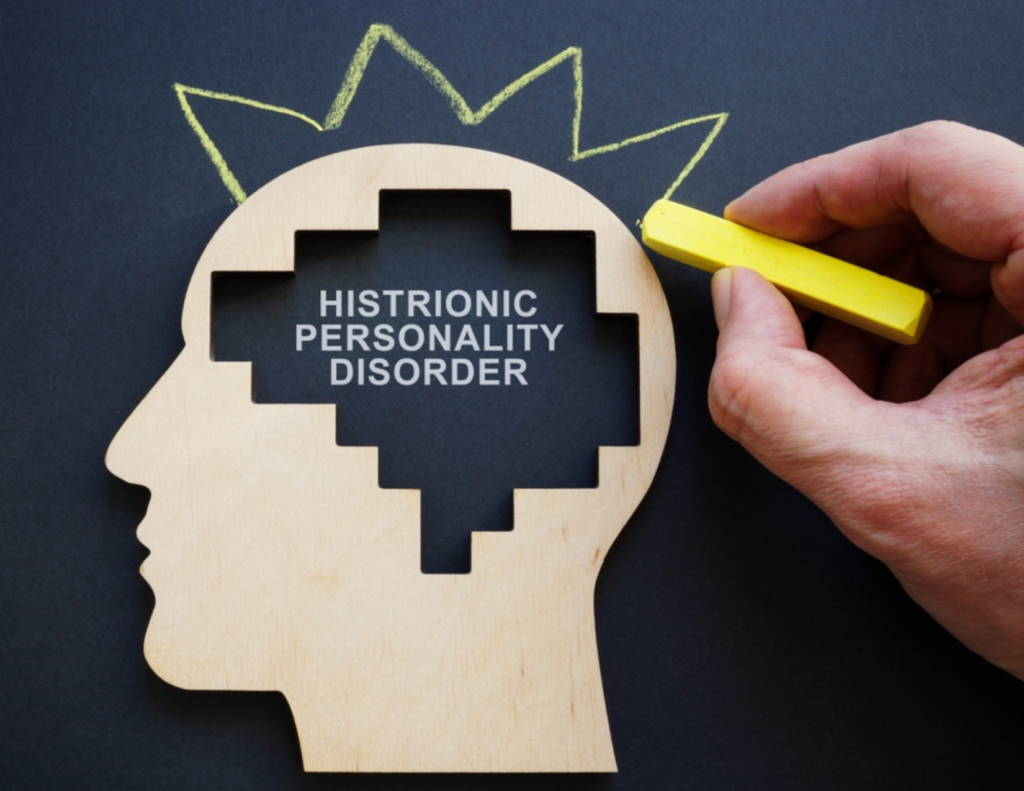
Welcome Back! This is part 3 of Relationships & Personality Disorders series. Previous articles available on this website.
Histrionic Personality Disorder (HPD)
The word histrionic means ‘dramatic’ or ‘theatrical.’ Their self-esteem depends on the approval of others, and they lack a true sense of self-worth. They have an overwhelming desire to be noticed and often behave dramatically or inappropriately to get attention. This reassures them they are significant, resulting in a demeanour that appears to be excessively dramatic, insincere, self-centred, provocative, and flirtatious. When interacting with someone with this disorder, several challenges may arise; one key difficulty is the person’s intense need for attention, which can manifest in behaviours that are overly dramatic or emotional. This constant demand for validation can strain the relationship, as the individual may become upset or frustrated if they feel ignored or undervalued. They may also exhibit superficial emotions or exaggerated expressions, making genuine emotional connection difficult. Another challenge is their susceptibility to others’ influence or fleeting emotions, which can result in inconsistent and unpredictable behaviour. Additionally, those with HPD may be overly concerned with their appearance and how others perceive them, leading to vanity and a focus on superficial qualities over deeper aspects of relationships. This can create frustration for others who are seeking meaningful, balanced interaction. Early in the relationship, their charisma and charm might be highly attractive. They may display strong emotions, excitement, and passion, creating a sense of intense connection. However, these characteristics can also become problematic, especially if their behaviour turns into constant attention-seeking or emotional highs and lows that are difficult to manage.
Dating
“Exhibitionists have no friends, no friends at all.” – Quentin Crisp, The Naked Civil Servant; How To Become A Virgin; Resident Alien
When dating someone with HPD, there are certain red flags to be aware of, such as a tendency to embarrass friends and acquaintances by displaying dramatic behaviour in public over minor occurrences and a constant need for reassurance and approval from others. They may also be easily influenced by others and use their appearance and charm to attract attention. While dating, they may appear to be rapidly forming deep attachments yet struggle with maintaining long-term intimacy. It is essential for the person dating someone with HPD to set and maintain clearly defined personal rules, communicate openly about their needs and concerns, and be aware of any potential manipulation. When dating or getting to know someone with Histrionic Personality Disorder, several red flags to look out for include:
- A constant need to be the centre of attention in social situations. Emotions fluctuate quickly and appear disproportionate to the situation.
- There can be a pattern of behaving or dressing in an unsuitable manner in seductive or provocative situations.
- They can have a habit of using dramatic or ambiguous language, frequently lacking support for their assertions or concepts.
- Easily influenced by others or situations, often shifting opinions or behaviours based on external feedback rather than personal conviction.
Recognising these behaviours early on can help navigate the complexities of interacting with someone who has HPD and it is essential to adopt strategies that both respect the individual and set appropriate boundaries. Here are some recommendations:
Stay Calm and Grounded
HPD can lead individuals to display dramatic or exaggerated emotions, which can create tension in interactions. Keeping your responses calm and measured helps diffuse potential emotional situations and sets a steady tone for the conversation.
Maintain Clear Boundaries
People with HPD often crave attention and validation, and they may push boundaries to maintain a sense of importance. Be firm and respectful in setting limits on how much attention you can give or how much of their emotional needs you can meet, without enabling unhealthy patterns.
Don’t Reinforce Attention-Seeking Behaviour
While it may seem easier to give into dramatic displays or emotional outbursts, doing so can reinforce the behaviour. Instead, calmly acknowledge their feelings without amplifying the drama; try to focus on the real issue at hand.
Encourage Deeper Communication
Individuals with HPD may focus on surface-level conversations or exaggerate emotions. Encouraging them to delve into more thoughtful, meaningful discussions can help shift the focus from attention-seeking to genuine connection. Be patient, as this may take time.
Avoid Providing Validation
People with HPD often seek constant reassurance or validation. While it’s important to provide positive feedback when appropriate, avoid indulging their need for constant attention. Encouraging self-reliance in emotional regulation can be more helpful in the long run.
Create Empathetic Boundaries
While demonstrating empathy is crucial, it’s equally important to avoid becoming entangled in their emotional highs and lows. Staying empathetic to their feelings without becoming emotionally entangled yourself helps maintain balance in the relationship.
If behaviours related to HPD become difficult to manage or are causing significant problems, it may be beneficial to gently suggest seeking professional support, such as therapy. A licensed mental health professional can help individuals with HPD manage their emotional needs and develop healthier relationship skills.
Already Involved
“Anything done in excess becomes hazardous, not only to the entity, but also to a personage; in that it brings untoward behaviour to scrutiny in the hoax of trying to reach out. Even ‘l love you’ mislay the poise of oneness when said over and over again.” – TinMasun, Author
This mental disorder can affect a person’s social or romantic experiences, impact how the person reacts to personal failures, and put them at a higher risk of suffering from episodes of depression. In their intimate connections, they may act in a shallow and rapidly changing manner, with their speech being general and lacking details. Individuals may be highly suggestible and easily influenced by others and can struggle frequently in their romantic liaisons due to issues with intimacy and a need for dramatic situations. In addition a person with HPD can:
- Feel uncomfortable or unappreciated if they are not the centre of attention.
- Constantly seek reassurance, approval, or attention.
- Act sexually seductive in inappropriate situations.
- Be lively and dramatic.
- Exhibit excessive emotionality.
- Have the ability to charm new acquaintances with their enthusiasm and apparent openness.
- They may have a self-focused attitude, and their conversations may often revolve around themselves.
Being in an intimate or romantic relationship with someone with this mental health disorder can present a range of challenges, and the prospects depend largely on the emotional dynamics of the relationship and the personalities involved. People with this personality disorder often display traits that can complicate long-term, stable intimacy. Their emotional volatility can make it difficult to navigate conflict or communicate effectively about serious issues. Individuals with HPD often prioritise receiving admiration over the deeper, more intimate aspects of a relationship, which can lead to a sense of emotional distance or superficiality. A person with a partner who has HPD may struggle with the exaggerated displays of emotion, impulsivity, and dramatic behaviour over a period of time. This can make it difficult for the relationship to progress into a stable, long-term commitment. Jealousy and insecurity may also arise, as individuals with HPD may engage in flirtatious or attention-seeking behaviour with others, even when in a committed relationship. This can create mistrust and tension, especially if the partner feels neglected or undermined. They may also have a hard time recognising or respecting boundaries, which can lead to power struggles or feelings of being manipulated.

This condition can be difficult to diagnose and treat, but psychotherapy and medication can be helpful in managing symptoms and can also be beneficial in navigating the challenges that may arise. On the positive side, if both partners are aware of the disorder and willing to work through the emotional complexities, seeking professional support, such as therapy, can be beneficial. Couples counselling can help create healthier communication patterns and develop strategies for managing the challenges; while relationships with people who have HPD can be passionate and exciting, they also require significant emotional resilience, patience, and occasionally professional intervention to maintain balance and meet the needs of both partners. Many people with this disorder can often function well socially and at work, while those with severe cases can experience significant problems in their daily lives.
(C) Nigel Beckles