Tag Archive for: #relationships

Why Are Some People Abusive?

“Abusers do not need to be, and rarely are, cackling maniacs. They just need to want something and not care about how they get it.” ― Carmen Maria Machado, In the Dream House

Experiencing a mother who was at times verbally and emotionally abusive inspired me to conduct research over the last several years to understand the various types, which has been an interesting journey, and this article briefly explores the various types of toxic personalities. The majority do not fit neatly into a single category, and many display a combination of characteristics, with one or two traits being more dominant than the others. They rarely behave this way for a single reason; instead, their conduct is usually shaped by a combination of personality, life experiences, learned attitudes, emotional regulation, and beliefs about relationships. While many have experienced adversity themselves, this does not excuse their actions because the overwhelming majority of those who suffer abuse do not become abusive. Ultimately, it is a choice that is repeated and reinforced over time, particularly when it succeeds in achieving the desired outcome of power, control, or personal gain. Abusive character types include:

Controlling Personality

Control is often at the heart of abusive relationships for these individuals, as they believe they have the right to dictate how others should think, feel, behave, or make decisions. These personalities may monitor activities, isolate loved ones, criticize independence, or use intimidation to maintain authority. Their greatest fear is often losing influence over those closest to them.

Entitled Personality

Those with a strong sense of entitlement believe that their needs, opinions, and desires should take priority over everyone else’s. They often expect special treatment, becoming resentful when expectations are not met; rather than viewing relationships as equal partnerships, they may see others as existing to meet their emotional, practical, or financial needs.

Manipulative Personality

Manipulative individuals prefer influencing others indirectly rather than communicating honestly. They may use guilt, emotional blackmail, deception, Gaslighting, triangulation, or playing the victim to gain advantage. Their goal is often to influence someone else’s decisions without appearing openly controlling.

Narcissistic Personality Style

Some abusive people display strong narcissistic traits, including an excessive need for admiration, a fragile sense of self-worth, and limited empathy for others. Criticism may be experienced as a personal attack, leading to defensiveness, blame-shifting, or retaliation. It is important to recognize that not everyone with narcissistic traits is abusive, and not every abusive person has narcissistic personality disorder.

Aggressive Personality

Aggressive individuals rely on intimidation, anger, threats, or violence to dominate others. Their responses are often driven by poor impulse control, hostility, or a belief that force is an acceptable way to resolve conflict. Over time, those around them may begin modifying their own behaviour simply to avoid provoking another outburst.

Exploitative Personality

These individuals habitually use others for personal gain with little regard for the consequences, with relationships being primarily viewed as opportunities to obtain money, status, sex, attention, or practical assistance. Once their needs have been met, they may lose interest or discard the relationship altogether.

Emotionally Immature Personality

These individuals often struggle to tolerate frustration, accept responsibility, or regulate their emotions. Rather than resolving disagreements constructively, they may resort to blame, sulking, silent treatment, or emotional outbursts when they do not get their own way.

Vindictive Personality

Some people become abusive because they have an overwhelming need to retaliate against perceived rejection, criticism, or humiliation. They may hold grudges for years, seek revenge, spread rumours, or deliberately damage another person’s reputation, with their focus often less about resolving conflict and more about making the other person suffer.

Opportunistic Personality

For some, abuse is simply an effective strategy when they discover that intimidation, deception, coercion, or manipulation enables them to achieve what they want more quickly than honesty or cooperation. If these tactics consistently succeed without facing any challenges, they can establish a habitual way of interacting with others.

Learned Behaviour Personality

Those raised in homes where manipulation, intimidation, violence, or emotional abuse were normal may come to view these behaviours as acceptable ways of dealing with conflict. Although these early experiences increase the risk of repeating unhealthy patterns, they do not determine a person’s future, with many choosing to reject what they witnessed and develop healthier relationships instead.

Summary

“One’s dignity may be assaulted, vandalized and cruelly mocked, but it can never be taken away unless it is surrendered.” ― Michael J. Fox, American Actor

Although abusive people differ in personality and motivation, they often share several characteristics such as struggling to respect boundaries, avoiding accountability, minimizing the harm they cause, and placing their needs above those of others. Some are driven by fear, insecurity, or emotional instability, while others are motivated by entitlement, power, or personal gain, but regardless of the reason, the defining feature of abuse is not occasional conflict but a repeated pattern of conduct that causes psychological, emotional, financial, physical, or sexual harm. Recognizing these patterns allows us to focus less on why the abusive person behaves this way and more on protecting our well-being, establishing healthy boundaries, and making informed decisions about the future.

© Nigel Beckles

Available from Amazon

How to Avoid Making The BIG Relationship Mistakes!

Paperback available Amazon @ https://shorturl.at/MtyT9

Kindle Edition @ Amazon https://tinyurl.com/yewsxzfx
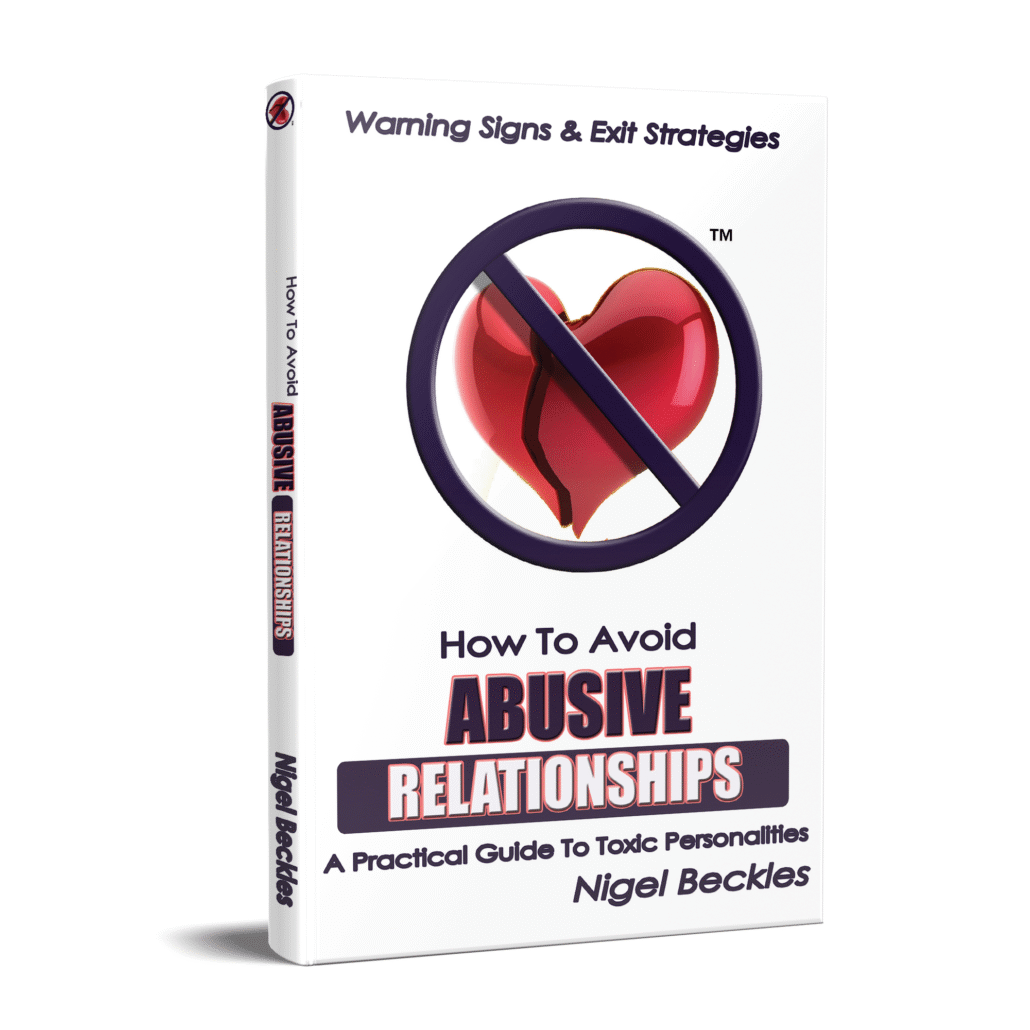
‘How to Avoid Abusive Relationships’ is a practical and compassionate guide to recognising, understanding, and escaping abusive relationships before experiencing lasting emotional and psychological harm. Drawing on relationship psychology, real-life experiences, and decades of research, relationship specialist Nigel Beckles explains the warning signs of abuse, the tactics used by controlling and manipulative individuals, and the patterns that often keep people trapped in unhealthy relationships.

Due for publication 2026
Is Your Family Toxic?

“Family is supposed to be our safe haven. Very often, it’s the place where we find the deepest heartache.” ― Iyanla Vanzant, American Author, Speaker & Life Coach

I concluded after a great deal of observation, research, and reflection that the family I used to be a part of was not conducive to my mental or emotional health. The journey has been very challenging at times, and by sharing my thoughts in this article, I hope it will help others who may be struggling while dealing with difficult or toxic relatives. A dysfunctional family is not simply one that experiences problems or occasional conflict, and while every household has tension, disagreements or difficult periods. Malfunctioning develops when unnatural patterns are chronic, emotionally damaging, and deeply embedded in the system itself, with these patterns eventually shaping how family members communicate, relate to one another, handle emotions, and understand themselves. The dynamics can emerge from many different sources, and often several overlap at the same time, and one common factor is unresolved trauma experienced by parents or caregivers that can include neglect, abuse, instability, or emotional deprivation in their own upbringing. They may unconsciously repeat similar patterns because harmful behaviour has become normalized to them. In many cases, people react to emotional wounds that were never properly addressed by themselves. Addictions can also destabilize the emotional structure of a family, so alcohol, drugs, gambling, or other compulsive behaviours often create unpredictability, secrecy, emotional inconsistency, and broken trust. Members of the household may gradually adapt by becoming hypervigilant, avoidant, or emotionally suppressed simply to cope with the instability. Mental health difficulties, particularly when undiagnosed or untreated, can be a factor with severe anxiety, depression, personality disorders, or chronic emotional dysregulation, causing an emotional atmosphere that is toxic.

“The happy family is a myth for many.” ― Carolyn Spring, Author

Controlling or authoritarian parenting styles where emotional expression is discouraged, criticism is frequent, or affection is conditional can create dysfunction in some families where appearances become more important than reasonable consideration for those being impacted, with problems denied, hidden, or minimized rather than openly discussed. In some cases, dysfunction is subtle rather than overt, not involving physical abuse or dramatic chaos but rather chronic emotional invalidation, control, tension, or absence of emotional safety. Due to the damage being quieter, it can take years before someone fully recognizes the damage that has been caused. There are instances where dysfunction develops less dramatically but can be just as damaging through emotional neglect; a family may appear to be stable on the surface, financially secure and socially respectable, but emotionally disconnected underneath. As a result, the need for comfort, validation, reassurance, or emotional safety may be consistently ignored.

Typical Behaviours & Unspoken Rules

• Communication is often indirect, defensive, hostile, or emotionally avoidant.
• Certain topics are treated as ‘off limits’ and cannot be openly discussed.
• Family members may be apprehensive while trying to avoid conflicts or emotional      outbursts.
• Criticism, blame, or scapegoating become common interaction patterns.
• Emotional needs are dismissed, mocked, or minimized.
• Boundaries are either excessively rigid or poorly respected altogether.
• Children may be forced into adult emotional roles too early.
• Affection and approval may feel conditional rather than secure.
• Conflicts are either explosive or completely suppressed.
• Appearances and reputation are prioritized over integrity.
• One family member may be idealized while another is consistently blamed.
• Silence, guilt, withdrawal, or manipulation may be used to control behaviour.
• Family members are often discouraged from expressing individuality or disagreement.
• Loyalty to the family system is valued more than the truthful individual.

“Unhappy families are conspiracies of silence. The one who breaks the silence is never forgiven. He or she has to learn to forgive him or herself.” ― Jeanette Winterson, Author

One of the most confusing aspects is that these patterns often become so deep-rooted that family members stop recognizing them as being corrosive, and behaviours that would usually appear to be deeply unsettling from an external objective perspective can feel entirely natural for those within the toxic system. Youngsters, in particular, tend to absorb this type of negative environment deeply, as it disrupts their sense of safety and identity. The internal blueprint for a person’s relationships, self-worth, communication, and emotional safety is generally formed during childhood because human beings have the ability to adapt psychologically to their environment, lacking external reference points for what healthy family dynamics should look like. Whatever they grow up around becomes expected, even if it involves emotional neglect, manipulation, volatility, or chronic tension. In addition, there can be a very strong emotional pressure to protect the family image, so admitting dysfunction can feel deeply threatening because it challenges a person’s identity, loyalty, and sense of belonging. Some individuals enable harmful behaviours by minimizing what is happening because accepting the truth would mean confronting painful emotions such as grief, anger, betrayal, or loss. Denial can serve as a coping mechanism; if acknowledging the toxicity feels emotionally overwhelming, their minds may downplay or rationalize what is actually occurring. Phrases such as “every family has problems” or “that’s just how they are” often become tactics to excuse behaviour that is actually emotionally damaging.

Potential Harm

• Chronic anxiety, hypervigilance, or emotional insecurity.
• Low self-worth and persistent self-doubt.
• Difficulty trusting others or forming strong attachments.
• Fear of abandonment or rejection.
• Problems setting and maintaining assertive boundaries.
• Increased risk of entering toxic or abusive relationships.
• Emotional suppression or difficulty expressing feelings.
• Perfectionism, people-pleasing, or excessive need for approval.
• Difficulty regulating emotions during stress or conflict.
• Shame, guilt, or feelings of unworthiness.
• Confusion around identity and personal needs.
• Depression, loneliness, or emotional numbness.
• A tendency to accept unhealthy treatment from others.
• Difficulty feeling emotionally safe, even in stable relationships.

Recommendations

“This toxic pattern within the broken family system will continue from one generation to the next, until one brave survivor finally ends the cycle of abuse. The dysfunction, bullying, and abuse didn’t start with you, but it most certainly can end with you.” ― Dana Arcuri, Certified Trauma Recovery Coach, Soul Rescue: How to Break Free From Narcissistic Abuse & Heal Trauma

The first step is to recognize these patterns clearly because challenging years of conditioning can help someone to stop automatically blaming themselves for situations they were not responsible for. Developing emotional independence is also important, as many individuals from dysfunctional families remain psychologically and emotionally trapped in old roles long after adulthood, so learning to separate personal identity from family expectations can be very liberating, although it should be said, also potentially very challenging. Setting boundaries, such as limiting certain conversations, reducing emotional overexposure, or becoming more selective about how much access family members have to personal information and emotional energy, will be essential. In some situations, limited contact or even temporary distance may be necessary if the environment remains consistently harmful, manipulative, or emotionally unsafe.

The reality is that dysfunctional individuals are frequently unaware that their behaviour impacts negatively on others, and it is vital to understand that not every family relationship can be repaired simply through effort or goodwill. Therapy or counselling can assist in processing unresolved emotional wounds, identifying unhealthy relational patterns, and building better coping strategies. Support groups can also be valuable because they can help people realise they are not alone in their experiences. Many survivors who emerge from dysfunctional families develop significant strengths, empathy, resilience, emotional insight, and self-awareness, particularly once they begin consciously working through their negative experiences. The effects can be long-lasting, but awareness can help break harmful cycles while developing constructive ways of relating to themselves and others.

© Nigel Beckles

Is The ‘Silent Treatment’ Abuse?

“When someone ignores you, it’s an intentional display of power. They’re essentially acting like you don’t exist, and they do it because they can. They believe that nothing will happen to them. Ignoring silences people. It intentionally avoids resolution or compromise. It ignites your worst fears of unworthiness because it makes you feel that you deserve to be ignored.” ― Judith Heumann, Author

The Silent Treatment involves deliberately withdrawing communication as a way of expressing anger, control, or disapproval. It is not simply quietness but a form of emotional disengagement where one person ignores, avoids, or shuts out the other, sometimes for extended periods, without explanation or resolution. A time out, by contrast, is intentional but transparent, where someone might say, “I need a bit of space to calm down, and I’ll come back to this.” There’s still respect for the connection, even in the pause, so the key difference is that a ‘time out’ maintains emotional responsibility, whereas the silent treatment removes it.

There are individuals who frequently use cutting off communication as a form of control or emotional avoidance, as it is easier to withdraw than to engage in a difficult conversation, which can be considered a form of cowardice, serving as a defence against vulnerability, accountability, or potential conflict. For others, withholding communication can create discomfort in the other person, sometimes even anxiety, which can pressure the individual to apologise, chase, or comply. Silence becomes a tactic, not just a reaction, used to shape the interaction without using words directly, along with a psychological element linked to power. By refusing to engage, they position themselves as the one who decides when, or if, the connection resumes.

Immaturity Factor  

“Emotionally immature people don’t step back and think about how their behaviour impacts others. There’s no cringe factor for them, so they seldom apologize or experience regret.”
― Lindsay C. Gibson, Adult Children of Emotionally Immature Parents: How to Heal from Distant, Rejecting, or Self-Involved Parents

A person who chooses to ignore someone else after a disagreement is usually indicating emotional immaturity, particularly in how they manage conflicts. Functioning as an adult does not mean always staying calm or saying the right things, but it does require staying engaged enough to work through tension without withdrawing in a way that punishes or destabilises the other person. When someone repeatedly shuts down communication, there may be difficulty tolerating uncomfortable emotions such as frustration, shame, or vulnerability. Instead of processing those feelings, the person disconnects, and silence becomes a way to escape rather than resolve the issue, displaying limited emotional capacity. If the behaviour is regular, prolonged, and used without explanation, it’s a strong indicator of emotional immaturity reflecting avoidance, difficulty with emotional regulation, and a limited ability to engage in adult-level communication. Over time, it tends to erode trust, because the relationship begins to feel unpredictable rather than secure.

Reactions

“The Silent Treatment is a form of emotional abuse typically employed by people with narcissistic tendencies. It is designed to (1) place the abuser in a position of control; (2) silence the target’s attempts at assertion; (3) avoid conflict resolution/personal responsibility/compromise; or (4) punish the target for a perceived ego slight.”― Andrea Schneider, Author

Being on the receiving end of the Silent Treatment can feel deeply unsettling. Humans are wired for connection, so being ignored, especially by someone important, can trigger feelings of rejection, confusion, and self-doubt. People often begin to question themselves. “What did I do?” or “Why won’t they speak to me?” and this internal questioning can spiral quite quickly. The silence can leave a person guessing, overthinking, or trying to repair something that has not even been clearly defined. When used in this way, it shifts from the instigator lacking communication skills or being childish into something more manipulative, which may not be deliberate but still harmful. Gradually, repeated exposure can lead to anxiety, lowered self-esteem, and a sense of walking on eggshells as the relationship begins to feel unpredictable and unsafe, even if nothing overtly aggressive is happening. Physically, the body can respond in ways similar to stress or social rejection with an increased heart rate, tension, disrupted sleep, and even a lingering sense of unease. It is subtle, but the absence of communication creates a form of psychological and emotional strain, with researchers linking the Silent Treatment to what is known as social or emotional exclusion. Being ignored by someone close, like a parent, relative, or friend, can activate the same areas of the brain associated with physical pain. When the behaviour is repeated, intentional, and being used to control or punish, it moves beyond poor communication and into behaviour that is more damaging, becoming a pattern that undermines the targeted person’s sense of worth, stability, and emotional safety.

Recommendations

“To be of good quality, you have to excuse yourself from the presence of shallow and callow minded individuals.” ― Michael Bassey Johnson, Author

Being ignored for a prolonged period of time can constitute abuse depending on how an individual reacts. Having experienced this type of behaviour myself perpetrated by family members and several former friends, I understand how challenging it can be to navigate this type of behaviour. Recommendations include the following:

• The instinct is often to chase, fix, or over-explain, but that can quietly reinforce the pattern.  Stay grounded in your own emotional state rather than immediately reacting to the silence.

• Acknowledge the situation calmly and directly. A simple statement such as “I can see you’ve withdrawn, I’m open to talking when you’re ready” keeps the door open without surrendering your position.

• Set a clear boundary around communication advising that while you respect space, prolonged silence is not a healthy way to handle disagreements which shifts the dynamic from guessing to clarity.

• Avoid over-apologising or taking responsibility just to restore contact because while it may ease the immediate discomfort, but it can also create a long-term pattern where silence becomes an effective tool of control.

• Allow time for emotions to settle, while also being clear, either internally or explicitly, that issues need to be addressed within a reasonable timeframe.

• Observe the pattern rather than focusing only on the moment. If this behaviour happens repeatedly, it’s not just about one disagreement, it’s about how conflict is managed in the relationship.

• Encourage direct communication when things are calm, not in the middle of the silence. This is where you can express how the behaviour affects you and what you would prefer instead.

• If the silence triggers anxiety or self-doubt, remind yourself that someone else’s withdrawal is not a measure of your worth.

• Consider whether the person is capable of change because if the Silent Treatment is persistent and unacknowledged, it may reflect deeper emotional limitations rather than a one-off reaction.

• Talking things through with a therapist or trusted friend can help you maintain perspective and decide how to respond without losing yourself in the dynamic.

Summary

“Silence isn’t always golden. It causes tension & leaves too much room for assumptions. Silence doesn’t make you avoid an argument, but rather escalates it. Silence might cause relationship-erosion if the issues that are withheld in silence never get worked out.”
― Carson Anekeya, Author

The Silent Treatment is not simply taking some time to gather thoughts and perhaps calm volatile emotions, but instead withdrawing communication over a period of weeks, months, and in certain cases years as a strategy to control or punish. Unlike a healthy time out, which is temporary and respectful, this behaviour creates uncertainty and emotional distance. When used repeatedly and intentionally, many psychologists view it as a form of emotional abuse because it disrupts one of the most basic human needs, which is the need for acknowledgment and connection.

(C) Nigel Beckles

Trust Issues That Damage Relationships

Trust Issues That Damage Relationships

“I may have trust issues, but some people seem to have an issue with the responsibility of being trusted.” ― Melchor Lim, Author

Trust is the foundation of any close connection, whether it’s a friendship or an intimate relationship, relying on honesty, consistency, a feeling of emotional safety, and the belief (and in some cases hope) that someone has integrity. Confidence rarely breaks all at once but usually erodes slowly through repeated incidents that display inconsistency when a person’s words and actions don’t line up, or their behaviour shifts unpredictably, creating discomfort; one day they are present and engaged, the next  distant or dismissive. This pattern of unpredictability can be more destabilizing than a single betrayal because it causes a constant state of uncertainty. Boundary violations like inappropriate interactions with others, such as excessive flirting or dismissing agreed-upon limits within the relationship. Something that seems minor to one partner can feel deeply disrespectful to the other, especially if particular boundaries were clearly communicated. Dishonesty, such as outright lying, withholding information, omitting details, or telling half-truths, is usually a deal breaker. Sometimes trust is shattered immediately, while in other situations, it eventually creates a kind of mental fog where the other person starts to question reality.

Difficult Problems

“Betraying someone once can be a mistake. Betraying someone twice is a choice.” ― Garima Soni, Words World

Certain issues can damage trust, changing how one partner views the other. Repeated deceptions, where someone begins to feel that they cannot rely on what they are being told, make it very difficult to rebuild a sense of safety with new pieces of information filtered through a perspective tarnished by doubt. Emotional neglect can be an issue, as when someone feels constantly unseen or consistently unimportant, the damage can be immense. Betrayals such as emotional or physical involvement outside the relationship tend to cut deeper because they challenge the entire foundation of the relationship. Scenarios that involve hidden secrets over a long period of time also tend to be particularly difficult to heal, not necessarily due to what happened, but because of how long these were hidden. The focus generally shifts from the acts of disloyalty and deception to personal morality, and doubts can persist despite explanations and apologies. In situations involving one partner who is unwilling to take full responsibility for their behaviour while lacking remorse, any trust that may remain has very little to rebuild on.

Overcoming Challenges

“Betrayal annihilates trust. The more trust there is to begin with, and the more deception is involved, the more damage is done.” ― Sandra Lee Dennis, Author

Rebuilding trust requires more than apologies, but also a shift in awareness and conduct that not everyone is willing or able to sustain. Restoring faith is possible, but rarely swift, requiring a deliberate, patient reworking of how the relationship operates if it is to be successful. Honesty will be vital as the emotionally injured partner usually needs space to express how they feel without being pressured, rushed, or corrected about how they feel. For the culprit, this process tends to be uncomfortable but necessary because without it, the hurt tends to be suppressed only to resurface later in perhaps more damaging ways. Rebuilding trust involves overall consistency instead of grand gestures, so small, reliable actions while being open and honest will be essential, especially in the early stages. Both parties need to be willing to look inward at themselves, with the guilty party needing not only to apologise but clearly understand why the situation occurred and not just to promise it will not happen again, with the other partner perhaps needing to explore how the experience has shaped their fears, reactions, and expectations moving forward.

Recommendations

• Be honest, even when it feels uncomfortable or exposing.
• Take full responsibility for your actions without shifting blame.
• Allow space for difficult conversations without rushing resolution.
• Focus on consistent, reliable behaviour rather than grand promises.
• Respect and reinforce agreed boundaries at all times.
• Practice transparency where needed to rebuild a sense of safety.
• Avoid defensiveness when your partner expresses hurt or doubt.
• Seek professional support if patterns feel too entrenched to shift alone.
• Be patient with the process, rebuilding trust takes time.
• Check in regularly with each other to assess progress and emotional needs.

Summary

“Unfortunately, words mean nothing when you can’t back them up.” ― R.A. Smyth, Broken Trust

Trust, once badly shaken, does not simply return because two people want it to, but has to be restored, piece by piece, through honesty, consistency, and a willingness to face uncomfortable truths. There are wounds that run deeper than others, especially where there has been repeated deception or a great deal of emotional absence. With genuine accountability, emotional awareness, and sustained effort from both sides, faith in the connection can be gradually re-established. However, the reality is that there will always be relationships that cannot be saved after a serious betrayal.

© Nigel Beckles

Why People Fail to Admit Their Toxic Behaviour

“With emotional abuse, the insults, insinuations, criticism, and accusations slowly eat away at the victim’s self-esteem until he or she is incapable of judging a situation realistically. He or she may begin to believe that there is something wrong with them or even fear they are losing their mind. They have become so beaten down emotionally that they blame themselves for the abuse.” ― Beverly Engel, The Emotionally Abusive Relationship: How to Stop Being Abused and How to Stop Abusing

When a person hurts someone intentionally and then behaves as if nothing has occurred, it is rarely accidental, as the response often serves an internal psychological function to protect the perpetrator. Acknowledging harm caused would require the individual to tolerate guilt, shame, or responsibility, so acting ‘normal’ allows them to bypass those uncomfortable feelings and preserve their internal equilibrium. Another motivation is defending their self-image, as many people struggle to reconcile the idea that they are capable of causing harm, viewing themselves as righteous individuals, and ignoring what they have done allows them to maintain the preferred narrative about who they are. In some cases, which is more concerning, this behaviour reflects a lack of empathy or emotional immaturity. The individual may genuinely struggle to recognize the emotional impact of their actions or may prioritize their comfort over accountability and apology. An element of power and control can also be present, implicitly signalling that the feelings of others do not warrant attention or repair, which is common in emotionally abusive or manipulative relationships. Normalization of harm can also play a role; for example, if a person grew up in an environment where the rights or feelings of others were ignored or minimized, they may unconsciously repeat that pattern, believing that harm inflicted on others should simply be endured and forgotten.

When someone acts as if nothing has happened after causing emotional harm, it is usually about their inability or unwillingness to face discomfort, not about the legitimacy of the harm they have inflicted. Protecting yourself begins with the decision to stop trying to extract accountability from anyone who is invested in avoiding it and instead focus on your boundaries, clarity, and mental health. Emotionally immature people often struggle to apologize, and the issue is usually an inability to tolerate what an apology requires internally. Reasons include:

 Fragile Self-image

Apologies often require admitting fault, and for these people, this can feel like a threat to their identity rather than conceding they have done something wrong. They experience being ‘wrong’ as being bad, defective, or unlovable.

 Shame

Apologizing can activate feelings of shame, so instead of processing that emotion, they avoid it through denial, minimization, or defensiveness. Refusing to say sorry becomes a way to escape emotional discomfort.

Externalization of Blame

Emotionally immature people often cope by blaming others or circumstances, so if someone else is always at fault, there is no need to apologize. This protects the ego but frequently damages relationships.

Avoidance

Apologies require emotional engagement, empathy, and reflection. Those who lack emotional depth or regulation skills often bypass this by acting as though nothing happened.

Fear of Losing Power or Status

In some dynamics, especially controlling or narcissistic ones, apologizing feels like surrendering authority. They may equate accountability with weakness.

Poor Empathy

If a person struggles to genuinely understand or value another’s emotional experience, they may not see why an apology is necessary at all.

Conditional or Transactional Relating

Some people consider relationships as a zero-sum game, so if they apologize, this is seen as a ‘loss’ and the other person ‘wins’ which they find extremely uncomfortable.

“Never ruin an apology with an excuse.” ― Benjamin Franklin, Member of the Founding Fathers of the United States  (1706 –1790)

When someone refuses to apologize, they are making a statement about their capacity, not your worth. Internalised blame often forms because the mind tries to create coherence. If no repair occurs, the psyche looks for a reason, and the most available explanation is “it must be me.” Recognizing this pattern is the first step towards resolving the toxic interactions.

Separate the impact from acknowledgement

Harm does not require recognition to be real. Emotional impact exists independently of whether the other person admits it. Repeating this distinction helps loosen the belief that validation is required for legitimacy.

Stop rehearsing the argument

Mentally replaying conversations, explanations, or “better wording” keeps you psychologically tethered to someone who is not engaging in good faith. Each rehearsal subtly reinforces the idea that accountability is still obtainable if you try harder. It usually isn’t.

Reality Check

Patterns clarify responsibility far more accurately than isolated moments, so instead of considering a single event, look at the pattern over time. Ask yourself:

  • Do they ever say sorry to anyone?
  • Do they take responsibility elsewhere?
  • Do conflicts consistently end with silence, deflection, or reversal?

Recommendations

Challenge the Person  

This is for clarity, not persuasion, and it is important to state calmly what occurred and how it affected you. Remember that repeated explanations rarely lead to accountability with this type of character.

Observe Their Responses, Not Their Words

Pay attention to whether they show curiosity, responsibility, or change. Dismissal, deflection, or minimization is very useful information that should not be ignored.

Do Not Pursue Acknowledgement

Seeking validation from someone who avoids responsibility can cause more emotional injury. Closure does not require their agreement.

Set Boundaries

Limit emotional exposure if you identify a pattern that is being repeated or raising the problem is ignored. Distance can be a form of self-respect, not punishment. Remind yourself that someone’s refusal to acknowledge what they are doing does not invalidate your experience, as the emotional impact exists whether it is recognized or not.

This kind of conduct eventually erodes trust, safety, and emotional intimacy, and the healthiest response is often not seeking further explanation but setting clear boundaries and adjusting expectations. Preventing the pattern from continuing is not about logic but cultivating self-awareness because not receiving an apology does not mean you were wrong but reveals a person who is unable or unwilling to be accountable. When you stop internalizing their failure, your sense of clarity and self-respect will begin to return. Mature people apologize because they are emotionally mature adults, while those who are immature generally avoid apologizing to protect their fragile egos. Talking with a therapist or trusted person helps to prevent self-doubt and internalizing blame.

© Nigel Beckles

Adults Who Have ‘No Contact’ With Toxic Parents

“You deserved a parent who saw you, not through you.” — Karyl McBride, Author  

Adults ‘Divorcing’ Parents

“You deserved a parent who saw you, not through you.” — Karyl McBride, Author  

Last month Oprah Winfrey published a podcast online entitled ‘Oprah Explores the Rising Trend of Going No Contact with Your Family’ which has received considerable backlash online regarding the use of the word ‘trend’ because people have been doing this for decades. Prior to social media the only narratives frequently shared concerned family unity, ‘honouring your parents’, or religiously based opinions. The hostile reaction in part appears to be based on various observations that some of the discussions undermined the real trauma of survivors who have experienced emotional or physical abuse and felt their pain had been trivialized, as if they had cut off their family members for irrational reasons or were a part of some sort of fad rather than undertaking a viable self-preservation strategy. The internet and social media have had a surprisingly significant role in the rise of adults choosing to go No Contact with their toxic parents. Forums, blogs, and online communities allow people to recognize patterns of emotional abuse, neglect, or control that were previously normalized or dismissed. Those who may have grown up feeling confused, guilty, or ‘overly sensitive’ can suddenly see that their experiences fit a recognized pattern. Reading personal accounts or expert content can validate feelings that were long buried, providing the critical insight that some parental behaviours are indeed abusive, not just eccentric or difficult. Online communities focused on toxic parents, emotional neglect, or parental abuse create a sense of solidarity. Seeing others share their journeys, especially their decision to go No Contact and the outcomes helps normalize the idea that setting firm boundaries is not only acceptable but sometimes necessary.

Individuals are less likely to feel isolated or fear stigma when they realize they are not alone in these struggles. Social media has also made psychology more accessible, with psychologists, therapists, and mental health advocates breaking down concepts like narcissism, emotional invalidation, ‘Parentification’, and toxic control. This knowledge equips grown-ups with language to articulate their experiences and justifications for No Contact, reducing internal conflict or the “Am I overreacting?” doubts that used to keep people trapped in unhealthy relationships. Online platforms allows selective engagement without having to explain constantly to the wider world why a decision has been made to cease communication. This provides agency and encouragement to maintain personal boundaries.

“The single most important empowerment tool is to accept no excuses for hurtful, harmful, or inappropriate behaviour.” – Dr. George Simon, PhD.

Social media platforms amplify stories of both positive and negative outcomes from reconnecting or staying in toxic relationships. People can learn about potential legal, emotional, or financial implications, helping them make informed decisions. In effect, it reduces the mystique of “What if I go No Contact?” and frames the decision as a proactive, self-protective choice rather than an emotional overreaction. In short, the internet and social media provide both validation and practical tools: they help adults recognize abusive patterns, connect with peers who share similar experiences, educate themselves about emotional dynamics, and take tangible steps to protect themselves. It is this combination of knowledge, peer support, and actionable options that has contributed to more men and women feeling confident enough to make this decision.

More people are stepping back from their parents because they’re finally recognizing the emotional toll of maintaining a relationship that has never felt safe or nourishing. As people grow and become more self-aware, they start noticing the emotional patterns they once normalised like the dismissive comments, the unpredictable moods, the subtle guilt trips, or the complete absence of empathy. The belief of “This just how my family is…” begins to look more like emotional neglect or even abuse. With greater access to therapy, trauma education, and social conversations about dysfunctional families it is easier to understand that being biologically related does not guarantee an emotional connection and once you recognize a pattern as harmful, it becomes increasingly hard to keep accommodating it. For many, the real turning point is the realization that their parent is not simply flawed but consistently unwilling to change their behaviour. It can be a very painful gap between desire and reality that pushes people toward a decision they never imagined making by choosing distance over repeated emotional injury.

Common Myths

“It’s not your job to fix other people’s wounds; it’s your right to heal yours.” — Dr. Theresa J. Covert, Author  

One of the strongest myths is the belief that going No Contact makes you a bad daughter or son. This idea is deeply rooted in cultural conditioning, where family loyalty is treated as absolute but the truth is far simpler. Protecting yourself does not make you disloyal; it means you’ve outgrown the role you were forced to play. Another myth is the fantasy that a parent will eventually change if you just try harder and many adults cling to this belief well into their forties or fifties because hope is powerful, and the longing for parental love never really disappears. But if someone has had decades to reflect and still refuses to take responsibility, the likelihood of a sudden transformation is extremely small. Holding on to this fiction delays healing and keeps you stuck in the same painful dance. People can confuse obligation with gratitude, but they are not the same thing. There can be the feeling that you ‘owe’ your parents unconditional access because they provided food, clothing, or shelter when you were young. However, providing basic care is the legal and moral responsibility of a parent; it is not a lifetime contract for unlimited emotional access or accepting abuse.

Another myth is the idea that deciding to go No Contact is dramatic or extreme. In reality the choice is made only after every other boundary has been ignored, twisted, or punished. The decision is usually the last, not the first, option when all attempts at seeking to be respected have failed. Finally there is the myth that this decision will leave the person full of regret and while the early stages can be painful and confusing, most people describe feeling lighter and more grounded once the dust settles. The regret people actually feel is not for leaving, but for staying so long in the hope that things would be different.

Psychological Stages

“Neglect from a parent is a silent wound that screams for healing.” — Susan Forward, Author  

The decision to go No Contact rarely comes out of the blue. Most people move through a quiet psychological process long before they reach the point of cutting ties. It usually begins with a subtle awareness that something in the relationship feels “off,” even if they can’t yet articulate what that is. They may notice a hollow feeling after interactions with their parent, or a heaviness in their chest when the phone rings. This early discomfort is often dismissed as personal oversensitivity, because children raised by emotionally immature or toxic parents are conditioned to believe the problem is always them. The next stage is recognition. This tends to happen after repeated cycles of hurtful behaviour or a single incident that feels like the final straw. They begin connecting past experiences with present emotional reactions, and the puzzle pieces finally start forming a picture. Many describe this stage as both liberating and destabilising. Liberating because they finally understand the pattern. Destabilising because the truth challenges their loyalty. The mind starts wrestling with conflicting narratives: “I shouldn’t feel this way about my parent,” and “Yet I do.”

After recognition comes evaluation. This is where someone starts testing small boundaries, like limiting visits or taking longer to reply. These subtle shifts reveal a lot, as toxic parents usually escalate when they sense their emotional control slipping. That escalation, whether through guilt, criticism, or manufactured crisis, becomes further evidence that the dynamic has never been healthy. People then start imagining what distance might feel like. Not necessarily cutting ties completely, just the dream of peace but then comes the decision. It often arrives quietly, without drama or fanfare. A person simply reaches a point where the emotional cost outweighs the cultural or social expectations, the guilt, and the longing. It is not a choice made out of anger but often made out of emotional exhaustion. They stop trying to fix the unfixable and instead choose emotional survival. No Contact becomes a boundary, not a punishment.

Emotional Preparation

“Emotional neglect teaches you to survive, not thrive.” — Lindsay C. Gibson, Author  

Emotionally preparing for No Contact is less about building walls and more about steadying yourself from the inside out. Most people underestimate how emotionally tangled they are with their parent, even when the relationship has been painful for years. Preparation begins with acknowledging that choosing distance doesn’t erase the history or the longing. You can love someone deeply and still need to protect yourself from them. Holding both truths at the same time is part of the emotional work. The next step is recognising the grief that comes with this decision. It’s not just the loss of the parent you have today, but the loss of the fantasy parent you hoped they would become. That grief can surface as sadness, guilt, anger, or even relief, and each emotion deserves space. Many people feel guilty simply for wanting peace, so it helps to remind yourself that choosing safety, stability, and self-respect is not cruelty but achieving clarity.

Preparing and strengthening your internal boundaries will be essential. Toxic parents are remarkably skilled at piercing emotional weak spots. They may guilt-trip, minimise, lash out, or play the victim. Knowing this ahead of time helps you stay anchored. Consider writing down the reasons for your decision. When the emotional storms come (and they usually do) you can return to that list and remind yourself of the reality you’re choosing to step away from. It can also be useful to build a support network, even if it consists of just one or two trusted people. Someone who understands, listens without judgement, and can gently remind you of why you made this choice can be invaluable. Emotional preparation is not about becoming cold or disconnected; it’s about developing enough internal steadiness to weather the discomfort that comes with choosing a healthier path.

“When parents are emotionally immature, they have trained you to either give too much or too little.” — Dr. Theresa J. Covert, Author  

Cutting contact with a parent is rarely a clean break but tangled and usually emotionally charged. Guilt tends to be the first hurdle. Society has a way of insisting that loyalty to family is sacred, so choosing distance can feel like violating an unwritten rule. There is also grief for the parent you hoped for, the childhood you didn’t get, and the fantasy that maybe one day things might change. People can face backlash from siblings or relatives who do not understand the choice and may side with the parent simply because this easier than confronting the truth. Despite how heavy the process can be, many describe an unmistakable sense of relief when the emotional noise finally quiets down. Anxiety lessens because they’re no longer waiting for the next outburst or guilt-heavy message. Their nervous system gets a chance to settle. They discover that boundaries actually have meaning when they are not constantly being pushed or ignored. Emotional and mental space opens up, allowing healthier relationships to form because they’re no longer preoccupied with managing someone else’s chaos. Self-respect grows, slowly at first, then with more confidence as the distance becomes familiar. For some people they begin to feel at peace instead of to earn love and respect by pleasing, placating, or supressing themselves.

When someone has chosen to go No Contact with their parents or wider family, Christmas and other holidays can stir up a complicated mix of emotions. These moments are culturally framed as family-centred occasions, so the absence of those relationships can feel uncomfortable. A person may find themselves wrestling with guilt, even after making a decision that protects their wellbeing, because old conditioning whispers that family should always come first. There is also the social pressure from friends, co-workers, or extended relatives who might ask well-meaning but intrusive questions about holiday plans, leaving the person feeling exposed or misunderstood. Loneliness can also be a factor, not because the decision was wrong, but because traditions can carry memories that do not simply fade away. In addition, there can be a tug-of-war between relief and sadness; relief that there is no longer chaos, manipulation, or conflict to brace for, and sadness for the version of family life they never had but still wish existed. Sorrow can surface when the world seems to be celebrating togetherness, but these reactions do not mean the decision was misguided; they are simply reminders of how deep family dynamics run and how much courage it takes to choose emotional safety over obligation.

Handling Criticism

“You have enemies? Good. That means you’ve stood up for something, sometime in your life.” — Winston Churchill, Prime Minister of the United Kingdom (1940-1945)

I made the decision to cease interactions with my family due to parental abuse. If you decide to go No Contact, you may quickly discover that not everyone will applaud your clarity. Some family members may react with shock, disbelief, or even aggression. Their criticism isn’t always malicious. Sometimes it comes from denial, fear, or their own unresolved guilt. Other times it’s because your decision forces them to confront truth they’d rather avoid. One of the most effective ways to navigate criticism is to remember that you don’t owe anyone a detailed justification. Short, calm statements are powerful because they give nothing away and shut down the invitation to debate. You don’t need to convince anyone. You don’t need them to understand because their lack of understanding does not invalidate your reality.

(C) Nigel Beckles

References

Adult Children of Emotionally Immature Parents: How to Heal from Distant, Rejecting: How to Heal from Distant, Rejecting, or Self-Involved Parents – Lindsay C. Gibson

Toxic Parents; Overcoming Their Hurtful Legacy and Reclaiming Your Life – Susan Forward

Due for Publication Early 2026


Kindle Edition https://www.amazon.co.uk/How-Avoid-Making-Relationship-Mistakes-ebook/dp/B0155PB68E/https://www.amazon.co.uk/How-Avoid-Making-Relationship-Mistakes-ebook/dp/B0155PB68E/

Exploring Male Victims of Relationship Abuse

“As a man, any man, to be beaten by your wife is desperately humiliating and, in a way, shameful. I ended up blaming myself. I am sat in a chair being beaten by my wife and there is nothing I can do.” ― Eddie Kidd, Former Motorcycle Stuntman, UK

Men can and do become targets of abuse in intimate relationships, though this reality is often overlooked or dismissed in both public discourse and private life. The cultural narrative tends to frame men as protectors or aggressors, not as people who can be on the receiving end of emotional, psychological, or even physical harm. This misconception makes it harder to recognize when abuse is actually occurring. Many men who find themselves in abusive relationships often don’t realize it at first. The abuse may be subtle, escalating slowly over time, and it may clash so profoundly with their ideas of masculinity and strength that they struggle to admit even to themselves that something is very wrong. Men can be abused in many of the same ways that women can, though the expression of that abuse may differ. Here are some of the ways men may experience abuse in intimate relationships:

  • Emotional Manipulation: Constant criticism, shaming, blame-shifting, and invalidation that chips away at self-esteem and confidence.
  • Psychological Abuse: Gaslighting, guilt-tripping, and mind games designed to confuse or destabilize his sense of reality.
  • Verbal Aggression: Yelling, name-calling, belittling, or making threats.
  • Physical Violence: Slapping, hitting, throwing objects, or using physical intimidation to control or frighten.
  • Sexual Coercion: Pressuring or manipulating into sexual activity without genuine consent or using sex as a weapon or punishment.
  • Social Isolation: Controlling who he sees, cutting him off from friends and family, or making him feel guilty for spending time outside the relationship.
  • Financial Control: Restricting access to money, sabotaging employment opportunities, or controlling spending as a form of dominance.
  • Parental Alienation (in cases where children are involved): Manipulating children to turn against him or using them as leverage.

Emotional abuse can be particularly difficult for men to recognize because it often unfolds subtly over time and may not align with traditional ideas of what “abuse” looks like. Men are also less likely to be socialized to identify themselves as recipients of mistreatment in relationships, especially if the abuse isn’t physical. Yet emotional abuse can be just as damaging, chipping away at self-worth, distorting reality, and fostering a deep sense of confusion or self-blame. Several key ways emotional abuse may manifest in a romantic relationship include:

Constant Criticism or Belittling

If your partner frequently mocks your ideas, achievements, or appearance, making you feel small, inadequate, or ashamed, this is not healthy communication. Repeated put-downs, especially those disguised as sarcasm, are often used to undermine confidence.

Gaslighting

This is a psychological tactic where the abusive partner denies your reality to make you doubt your own memory, perception, or sanity. If you’re often left questioning whether something actually happened, or you find yourself apologizing constantly even when you’re not sure why, you may be experiencing Gaslighting.

Emotional Withholding

A partner who regularly withdraws affection, gives the silent treatment, or withholds emotional intimacy as a form of punishment or control may be engaging in abusive behaviour. Emotional abandonment, where you’re physically together but emotionally starved, can be just as hurtful as overt aggression.

Control Disguised as Concern

While healthy partners care about your well-being, abusers often use the pretense of being ‘concerned’ as a cover for control. They may monitor your phone, ask where you are constantly, discourage certain friendships, or make you feel guilty for wanting time on your own.

Shaming and Guilt-Tripping

Emotional abusers often use guilt as a tool. They may frame you as selfish for having needs or desires or make you feel responsible for their emotions and actions, especially their anger or sadness. If you frequently feel guilty simply for asserting yourself, that’s a red flag.

Emotional Highs and Lows (Push-Pull Dynamic)

If your partner swings unpredictably from affection to coldness, praise to contempt, or intimacy to distance, often without clear cause, this can create emotional confusion and dependency. It trains you to constantly seek approval and walk on eggshells.

Threats and Ultimatums

Although they may not be violent, threats like “If you leave me, I’ll hurt myself” or “You’ll never see the kids again” are forms of coercive control. These tactics exploit fear and obligation to keep you emotionally tethered.

Emotional abuse doesn’t leave visible scars, so it is often dismissed or minimized by both the person experiencing it and the people around them. Many men also fear being disbelieved, ridiculed, or seen as weak if they speak up, and society in general still associate’s abuse with physical violence or female victims, leaving men without a clear framework to name or respond to their experiences.

Failure to Recognize Abuse

“The human brain can protect us from seeing and feeling what it believes may be too uncomfortable for us to tolerate. It can lead us to deny, defend, minimize, or rationalize away something that doesn’t fit our worldview.” ― Bandy X Lee, Author

 
From a young age, many boys are taught either explicitly or implicitly that they must be strong, stoic, self-reliant, and emotionally restrained, while showing any vulnerability, particularly in the form of fear, hurt, or emotional pain, is often framed as weakness. When they become men, this can make them internalize abusive experiences rather than identify and address them. Many men find it incredibly difficult to tell their friends or family members that they are being abused. One of the primary reasons is shame. Admitting to abuse can feel like admitting to weakness, which runs counter to the cultural expectations many men internalize from a young age. There can also be the fear of not being believed or, worse, being mocked. When a man finds himself in an abusive relationship, whether the abuse is emotional, verbal, financial, physical, or sexual, he may first struggle to even name it as abuse. Why? Because acknowledging that someone is harming you requires first recognizing that you’re being hurt, and that pain, in turn, bumps up against the deeply internalized belief that ‘real men’ are not supposed to be victims of harm, especially not by someone they love or trust. This creates a toxic internal conflict; on one hand, the man may feel trapped, belittled, manipulated, or even physically unsafe, but alternatively, he may carry immense shame about finding himself in this type of situation in the first place.

That shame, combined with the fear of being dismissed, ridiculed, or not believed, keeps many men silent. And when they do speak out, responses like “you’re a man, how bad can it be?” or “just leave her” can be invalidating or deeply wounding, which only reinforces the belief that no one will take them seriously. Additionally, some men worry about their identity being questioned, especially if the abuse does not fit the traditional script of what abuse should ‘looks like.’ For instance, if the partner is not physically violent but instead manipulates finances, isolates them from support networks, or constantly undermines their self-worth, these behaviours can be dismissed as minor annoyances instead of the serious red flags they truly are. People generally struggle to grasp the reality of men suffering abuse, supported by deeply entrenched attitudes that shape how men are ‘supposed’ to behave, resulting in some victims being laughed at, disbelieved, or dismissed. Consequently, there are those who are reluctant to report the abuse, fearing legal repercussions because they will usually be assumed to be the aggressor, especially if they have reacted defensively, leaving many men suffering in silence. The reality is abuse does not discriminate by gender, and all people, regardless of how they identify, deserve to be safe, respected, and free from harm in their relationships. If you feel constantly on edge, drained, ashamed, and confused or second-guess your worth, these are usually major red flags that are very reliable because abuse does not have to be aggressive to be real. Recommendations include:

  • Acknowledge the Abuse: Recognizing that what’s happening is abusive is a crucial first step, even if it doesn’t fit traditional stereotypes of abuse.
  • Document Incidents: Keep a private record of abusive events, including dates, times, what happened, and any witnesses or evidence.
  • Avoid Escalating Conflicts: If possible, disengage safely from heated situations rather than responding with anger or force, which could be misinterpreted.
  • Safety Plan: If the relationship feels dangerous or unstable, start planning an exit strategy, especially if children are involved. This may include finding a safe place to stay or speaking with a legal advisor.
  • Seek Support: Speak to a trusted friend, family member, or support group for men. There are confidential resources that understand these situations. Working with a counsellor who understands abuse dynamics can be vital in rebuilding confidence, navigating the relationship, or processing trauma.

Closing Thoughts

“There are far too many silent sufferers.  Not because they don’t yearn to reach out, but because they’ve tried and found no one who cares.” ― Richelle E. Goodrich, Author

Men can experience abuse in relationships, but due to social stigma, gender norms, and fear of disbelief, many suffer alone and in silence. Abuse against men can take many forms, including emotional, psychological, physical, sexual, and financial, that can often go unrecognized even by the men themselves. Cultural expectations around masculinity can prevent them from seeking help or disclosing the truth. Healing begins when you stop making excuses for behaviour that hurts and start making space for something better, even if that means being alone for a while. Reaching out for support and seeking safe, professional guidance can help break the cycle and begin the recovery process. If you are a man suffering abuse, understand that men can stay in toxic relationships due to feelings of guilt, obligation, or a fear of being seen as the ‘bad guy’ for walking away; however, choosing peace over chaos is not abandoning someone but all about saving yourself.

© Nigel Beckles  

Behind Closed Doors: Why Abuser’s Secretly Abuse

“Abuse and respect are diametric opposites: You do not respect someone whom you abuse, and you do not abuse someone whom you respect.”― Lundy Bancroft, Why Does He Do That? Inside the Minds of Angry and Controlling Men

Abuse that occurs in secret, especially within romantic relationships, families, or close-knit households, can be deeply insidious. Because the abusive behaviours often unfold behind closed doors or under the guise of love, loyalty, or discipline, they can go unnoticed by outsiders and even by the person being harmed. Abusive romantic relationships often begin with charm, promises, and affection that can feel intoxicating at first, but eventually the abuse erodes a person’s sense of safety, identity, and self-worth. Because it frequently happens behind closed doors or under layers of manipulation, many people enduring abuse do not immediately realize what is happening to them. The different types of abuse that may be experienced secretly from a romantic partner, parent, or relative include:

Emotional Abuse

This is one of the most common forms of hidden abuse. It includes constant criticism, humiliation, manipulation, or invalidation of a person’s feelings. The abuser may shame or belittle the other person in private, use sarcasm to undermine their confidence, or make them feel guilty for having needs or boundaries. Emotional abuse erodes self-worth over time and leaves deep psychological wounds without leaving physical scars.

Psychological Abuse

Closely tied to emotional abuse, this involves deliberate tactics to distort someone’s perception of reality or sense of self. This might include Gaslighting (denying or twisting facts to make the person question their memory or sanity), threatening harm, isolating the individual from others, or using intimidation to instil fear. Psychological abuse can be so subtle that the person being harmed doesn’t even realize they are being manipulated until significant damage has been done.

Verbal Abuse

Though words don’t leave bruises, they can leave lasting damage. Verbal abuse includes yelling, name-calling, threats, or passive-aggressive insults designed to dominate or control the person. It’s often dismissed or minimized, especially if the abuser apologizes afterward or claims they were “just joking.”

Financial Abuse

A person may be secretly abused through financial control or exploitation. This might include being denied access to money, having one’s earnings taken away, being prevented from working, or being forced to justify every purchase. In family settings, adult children may be financially exploited by a parent or relative, or a romantic partner may create dependence by controlling every aspect of the household finances.

Sexual Abuse

This form of abuse may occur without overt physical violence, especially in romantic or marital relationships. It includes coercion, manipulation, or pressure to engage in sexual acts without full consent. In familial relationships, it may involve grooming or secrecy combined with threats or shame. Because of the personal and taboo nature of sexual abuse, it is often the most hidden and unspoken.

Physical Abuse

While more visible in theory, physical abuse can still be carried out in ways that leave no visible marks, such as pushing, grabbing, blocking someone’s path, or inflicting harm in places that can be hidden. Many abusers escalate slowly over time, creating a pattern of control and fear while avoiding detection by outsiders.

Neglect or Withholding

Abuse is not always about what is being done but can also be about what is being denied. A parent or partner may withhold affection, attention, support, or even basic necessities like food or medical care as a means of control. This kind of silent treatment can create anxiety, insecurity, and a constant state of emotional deprivation.

Spiritual or Cultural Abuse

In some families or relationships, a person may be shamed, manipulated, or silenced using religious or cultural beliefs. This might involve using faith to justify control, obedience, or silence, or it could mean punishing someone for failing to conform to rigid roles or expectations. Because this abuse is often tied to deeply held beliefs, it can be incredibly confusing and painful to confront.

These forms of abuse, when experienced in secret, are often internalized by the person being harmed. They may begin to believe they are the problem or that what they’re enduring is normal. The secrecy creates shame, isolation, and confusion that can make it incredibly difficult to reach out for help.

Why Abusers Operate in Secret

“There are far too many silent sufferers.  Not because they don’t yearn to reach out, but because they’ve tried and found no one who cares.” ― Richelle E. Goodrich, Smile Anyway: Quotes, Verse, and Grumblings for Every Day of the Year

Image Control

Abusers often present a polished, charismatic, or respectable persona to the outside world. The secrecy allows them to maintain that image while their private actions contradict it entirely.

Avoiding Consequences

Keeping the abuse hidden reduces the risk of legal trouble, social backlash, or losing relationships or professional status.

Maintaining Control

Isolation is a core tactic in abuse. Secrecy enables abusers to control the narrative, silence the target, and limit their access to help or outside validation.

Shame and Denial

Some perpetrators are deeply aware, although they may never admit that their behaviour is unacceptable. Keeping it hidden protects them from confronting their own actions.

Grooming Others

Abusers often manipulate the perceptions of mutual friends, family, or community members so that if the target ever speaks out, they are less likely to be believed.

Why People Often Believe Denials

“The human brain can protect us from seeing and feeling what it believes may be too uncomfortable for us to tolerate. It can lead us to deny, defend, minimize, or rationalize away something that doesn’t fit our worldview.”― Bandy X Lee, The Dangerous Case of Donald Trump: 27 Psychiatrists and Mental Health Experts Assess a President

They ‘Don’t Seem the Type’

People can find it difficult to reconcile in their thought processes that someone who appears to be friendly, successful, or well-liked could also be abusive in private. There can also be a fear of becoming involved in a situation that can be complicated or difficult.  

Cognitive Dissonance

Many of us do not want to believe someone we know or love is capable of abuse because it creates emotional discomfort, so we choose denial instead.

Manipulative Narratives

Abusers are often skilled at twisting stories, playing the victim, or deflecting blame onto the person they’re harming.

Cultural Conditioning

Many cultures have normalized controlling behaviour, especially in family or romantic settings, making red flags easier to dismiss.

Recommendations

“Stand up for yourself. Never give any one permission to abuse you.” ― Lailah Gifty Akita, Author

Trust Your Gut

If someone’s behaviour feels consistently wrong, belittling, or dangerous, it probably is. Mistreatment is not just physical and includes emotional and psychological abuse, which can be even more damaging.  

Document Everything Safely

Keep a private journal, screenshot messages, or take photos of injuries if applicable. This may be crucial if you decide to seek help or legal protection.

Reach Out to a Safe Person

A friend, counsellor, domestic violence hotline, or support group. You don’t have to face this alone. Even just talking helps break the isolation.

Educate Yourself

Learn more about abusive patterns (Gaslighting, Trauma Bonding, etc.) so you can begin untangling the manipulation and reclaiming your clarity.

Create a Safety Plan

If leaving the situation is unsafe right now, prepare gradually. Store emergency money, ID, and essentials somewhere safe. Know where you could go if you need to leave quickly.

Do Not Wait for the Perfect Time

There may never be a moment that feels completely safe or convenient. Your safety and peace are valid reasons to act.

Seek Professional Help

Therapy, especially with someone experienced in abuse recovery, can be a powerful step toward healing. Even one session can offer insight and support.

Understand That You Are Not to Blame

Abuse is a choice made by the abuser. Your responsibility is not to fix them but to take care of yourself.

Closing Thoughts

“As long as you keep secrets and suppress information, you are fundamentally at war with yourself…The critical issue is allowing yourself to know what you know. That takes an enormous amount of courage.” ― Bessel A. van der Kolk, The Body Keeps the Score: Brain, Mind, and Body in the Healing of Trauma

Suffering abuse can be one of the most emotionally conflicting positions a person can find themselves in because loving someone who mistreats, controls, or harms you can be very confusing. The pull between wishing the relationship could be different and what it actually is happening can feel unbearable at times, with many people caught in this type of dynamic struggling with deep feelings of guilt, self-doubt, and confusion. However, the truth is when someone makes you feel consistently small, unsafe, or afraid, especially behind closed doors, that certainly is not love but abusive control. The more it happens, the harder it can become to see the situation clearly, with abusers often attempting to rewrite history, slowly chipping away at the victim’s confidence, making them second-guess their own instincts, and creating emotional exhaustion. Abusers frequently work to cut off or discredit support systems, making the person on the receiving end believe no one will believe them. Whether the perpetrator is a parent, sibling, or romantic partner, it can be especially difficult to admit that someone who’s supposed to love you is also the one causing the most pain. Each of us deserves to feel safe and respected in every relationship we are involved with, regardless of the status of the abuser.  

(C) Nigel Beckles

BOOKS

How to Avoid Making The BIG Relationship Mistakes!

Kindle Edition Available @ Amazon https://shorturl.at/lcfOa

Chapters include:

• Love Myths

• Relationship Failure

• Dating Warning Signs

• Compatibility Hazards

• Toxic Time Wasters and much more…

Due for publication 2025

Reactive Abuse: When the Real Victim Looks Like the Villain

“Sweet revenge always turns bitter eventually.” ― Richelle E. Goodrich, Author

Reactive Abuse occurs when a person who has been repeatedly subjected to manipulation, control, or mistreatment reaches an emotional breaking point and reacts in a way that appears aggressive, defensive, or extreme. This reaction is often the result of prolonged psychological torment, Gaslighting, humiliation, or physical aggression, which erodes emotional stability over time. When someone is consistently invalidated, provoked, or pushed to their limits, their distress may manifest such as an outburst, yelling, lashing out, or even physical retaliation. This reaction is not the cause of the abuse but rather a consequence of persistent mistreatment and emotional manipulation. Some abusers deliberately provoke reactive abuse from their partners as a means of maintaining control and shifting blame, pushing their partner to a breaking point by instigating arguments, insulting them, or withholding affection until they explode in frustration. Once this emotional reaction occurs, the abuser then weaponizes it, using it as proof that the other person is ‘unstable’, ‘crazy’, or ‘abusive’. This tactic allows the perpetrator to portray themselves as the victim while further manipulating and discrediting their partner. Reactive abuse can be used as a tool of manipulation by abusers to maintain dominance in a relationship as the instigator orchestrates situations where their partner reacts emotionally or aggressively, creating a false narrative that justifies their control or dominance.

  • If you suspect you are experiencing Reactive Abuse, watch for signs such as being unfairly blamed for conflicts, deliberate attempts to confuse or disorient you, and manipulative tactics that make you question reality.
  • The abuser may emotionally torment you, pushing you to your breaking point, while refusing to acknowledge their own faults and instead shifting all focus onto your perceived flaws.
  • They may also launch a smear campaign to damage your reputation, subject you to emotional, psychological, and mental mistreatment, and exploit your sensitivity as a means of control and manipulation.

“Reactive abuse is your fight mode being activated in response to abuse. When you are being abused, you try to defend yourself through lashing out, verbal insults, or even physically. The abuser may even provoke you until you snap. They then use your fight response to further blame you for the hostile relationship and claim they are the victim.” ― Emma Rose Byham, Was It Even Abuse?: Restoring Clarity After Covert Abuse

This manipulation may extend to outsiders, such as friends, family, or even law enforcement, who witness the emotional reaction without understanding the context behind it. The real abuser may then use this to gain sympathy, isolate their partner further, or convince others that they are the one being mistreated. Over time, the person actually being abused may begin to doubt their own reality, internalize guilt, and feel responsible for the toxic dynamic, further trapping them in the cycle of abuse.

Recommendations for Handling Reactive Abuse

  • Recognize the signs of provocation and manipulation; understanding the cycle can help break the pattern.
  • Maintain emotional regulation and try not to engage in escalating conflicts, even when being pushed.
  • Seek support from trusted friends, family, or professionals who can provide validation and guidance.
  • Document incidents of abuse, including patterns of provocation, to maintain a clear perspective on the situation.
  • Establish and enforce personal boundaries to prevent being drawn into manipulative arguments.
  • Seriously consider creating an exit strategy to leave the toxic environment, as prolonged exposure to manipulation can be damaging.

Conclusion

Reactive Abuse is a destructive tactic used by manipulators to shift blame and maintain control in toxic relationships. By provoking emotional reactions, abusers can distort reality, isolate their partners, and portray themselves as the true victim. Understanding this dynamic is essential for breaking the cycle, reclaiming personal agency, and seeking the necessary support to heal from the emotional turmoil caused by prolonged mistreatment.

© Nigel Beckles

Reference: Reactive Abuse: When They Call You Abusive for Reacting To Their Abuse – Alexandra Hall https://themindsjournal.com/reactive-abuse/

The Hazards of Rebound Relationships

“One of the best times for figuring out who you are & what you really want out of life? Right after a break-up.” ― Mandy Hale, The Single Woman–Life, Love, and a Dash of Sass: Embracing Singleness with Confidence

A failed relationship can be difficult to deal with emotionally during the aftermath. Moving on can be difficult and it can be tempting to become involved with someone else too soon.  A rebound relationship occurs when someone enters into a romantic connection shortly after the end of a previous relationship, often before they’ve had the time to process and heal from their breakup. These relationships are typically driven by the emotional void left by the previous partnership and are often fuelled by the need for distraction, validation, or avoidance of loneliness. While a rebound relationship can feel comforting or exciting in the moment, it is often built on unstable emotional foundations, which can lead to complications for both individuals involved. People can embark on rebound relationships for all the wrong reasons, including:

Unresolved Feelings

Still being emotionally attached to an ex-partner or harbouring resentment, longing, or anger can make someone seek a rebound for distraction.

Fear of Loneliness

A strong discomfort with being single or alone can prompt someone to jump into a new relationship quickly.

Low Self-Esteem

Seeking external validation to rebuild a damaged sense of self-worth after a breakup can increase susceptibility.

Impulsivity

A tendency to act without fully considering the consequences may lead someone to rush into a new relationship that may be unsuitable or even toxic.

Pressure from Social Circles

Feeling societal or peer pressure to “move on” or “get back out there” may push someone into a rebound relationship.

Idealization of Relationships

Believing that being in a relationship is the only path to happiness or fulfilment can drive someone to seek a partner immediately after a breakup.

Avoidance of Emotional Pain

Using a new partner as a way to suppress or avoid processing the grief, loss, or pain associated with the previous relationship.

“Alone also means available for someone outstanding.” ― Greg Behrendt, It’s Called a Breakup Because It’s Broken: The Smart Girl’s Break-Up Buddy

Entering a rebound relationship can hinder emotional healing and prevent someone from fully addressing the issues or emotions stemming from their previous relationship. Without this introspection, unresolved baggage may be carried into the new relationship, creating an unstable and unbalanced dynamic. Additionally, the new partner may be seen more as a placeholder or a source of distraction than as a meaningful and independent connection. This can lead to unintentional emotional harm for both parties, as well as perpetuate patterns of dependency or avoidance. Taking time to reflect, heal, and rebuild personal identity after a breakup is crucial for fostering healthy, lasting connections in the future. Rushing into a rebound relationship may feel like a good idea at the time, but it often undermines the opportunity for true emotional growth and self-discovery.

(C) Nigel Beckles