Tag Archive for: #abusiverelationships

Understanding Misogyny: A Hatred of Women 

“Misogyny was born of fear of women.” – Sarah B. Pomeroy, Goddesses, Whores, Wives and Slaves: Women in Classical Antiquity
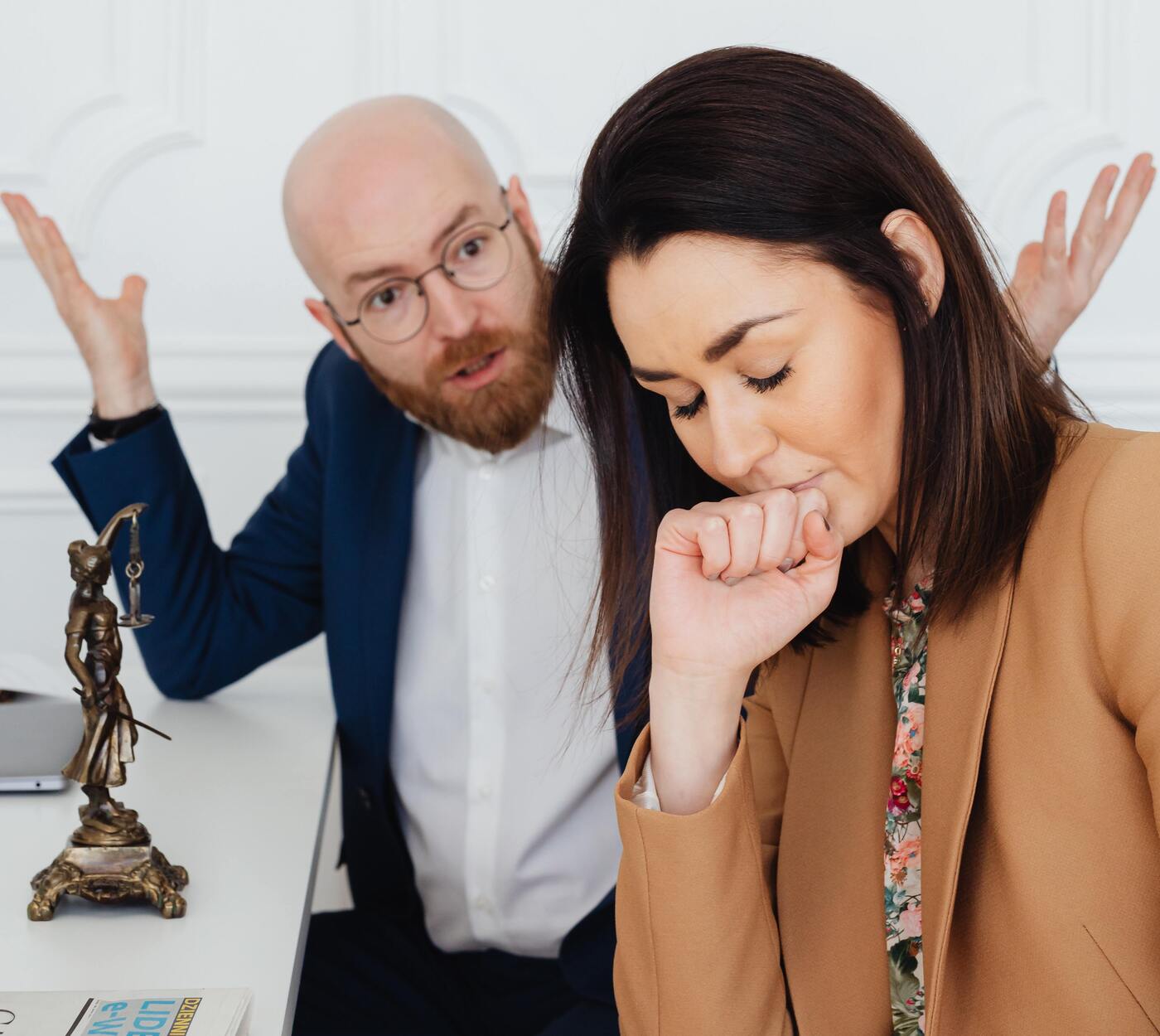
Misogyny, a disdain or contempt for women based on their gender, can be deeply ingrained manifesting itself with acts of discrimination, belittlement, objectification, or outright hatred. Several factors affect how boys who are transitioning into men develop misogynistic attitudes:

Socialisation and Gender Norms

From early childhood, societal norms enforce stereotypes about masculinity and femininity, potentially leading to the devaluation of traits associated with femininity and contributing to misogyny.

Family Environment

Family dynamics significantly shape beliefs. Growing up in an environment with gender-based discrimination or where sexist attitudes are normalised can foster misogynistic views.

Media and Pop Culture

Portrayals of women in media, as objects or stereotypes, influence perceptions. Exposure to such content can contribute to the development of misogynistic attitudes.

Peer Influence

Social circles play a crucial role. Boys surrounded by peers who share misogynistic views or exhibit disrespectful behaviour towards women may develop similar attitudes.

Personal Experiences

Negative experiences, like rejection or conflicts, can sometimes lead to generalisations and the development of misogynistic attitudes.

Lack of Education and Awareness

Limited exposure to education promoting gender equality allows misconceptions to persist. Ignorance about the harmful effects of misogyny can lead to its perpetuation.

Psychological Factors

Underlying psychological issues or insecurities may drive some individuals to seek power and control over others, contributing to misogynistic behaviour.

Relationships

With regards to romantic/intimate relationships a Misogynist’s involvement can be complex involving various motivations. For example, they may pursue relationships with women viewing them as objects of desire or a means of asserting power while others do so to fulfil societal expectations. There can be psychological factors such as insecurity or a need for validation which may drive their involvement and acts of infidelity or being highly promiscuous may reflect emotional immaturity or an inability to maintain healthy relationships. Despite their varying motivations, a toxic misogynist’s underlying attitudes of disrespect often persists leading to destructive patterns of behaviour.

Conclusion

Be aware there are men who will enter into relationships with women just to make them suffer whether the motivation is deliberate or subconscious. Obviously, not all boys become men with negative misogynistic attitudes but promoting gender equality, challenging stereotypes, and fostering open discussions are important preventive measures. Education and awareness campaigns can play a significant role in changing harmful attitudes. Recognising the red flags of a Misogynist is important for understanding and addressing this harmful mindset and avoiding their damaging behaviour.

(C) Nigel Beckles 19th January 2024

Abusive Relationships: Power & Control Tactics

“This is what’s known as the Cycle of Violence, where an explosion is followed by a period of remorse, then promises and pursuit, a false honeymoon stage, then a build-up in tension, a standover phase, and another explosion. Then kindness expressed during the false honeymoon stage may feel genuine to the abuser, but this reward phase – like every other part of the cycle – is still all about maintaining control. Periods of kindness, no matter how short, bond the victim to her abuser.” ― Jess Hill, See What You Made Me Do: Power, Control and Domestic Violence

The psychology of Power and Control is a key framework for understanding the dynamics of Domestic Abuse or Intimate Partner Violence (IPV). It refers to the pattern of behaviours that an abuser uses to gain and maintain control over their partner or victim. This framework, originally developed by advocates and researchers in the field of domestic violence, highlights how abusers exert power in various ways, both overt and subtle, to dominate and manipulate their partners within a relationship. Key aspects of the psychology of Power and Control include:

Physical Abuse

This is the most visible form of power and control, involving physical violence or the threat of violence. Abusers use physical force to instil fear and submission in their victims.

Emotional Abuse

Abusers often engage in emotional manipulation, belittling, and humiliation. They may undermine their victim’s self-esteem and self-worth, making them feel powerless and dependent on the abuser.

Isolation

Abusers frequently isolate their victims from friends and family. By cutting off these social connections, they reduce the victim’s support system and make them more dependent on the abuser.

Financial Control

Abusers may control the finances of the relationship, making the victim financially dependent. This can include withholding money, preventing the victim from working, or sabotaging their employment.

Sexual Abuse

This involves using sex or sexual coercion as a means of control. Abusers may force unwanted sexual acts on their victims or use sex as a bargaining tool.

Gaslighting

Abusers use psychological manipulation to make the victim doubt their own reality. They may deny or minimise abusive behaviours, making the victim question their sanity or perception.

Threats and Intimidation

Abusers use threats of harm or other forms of intimidation to control their victims. This can include threats against the victim, their children, or loved ones.

Monitoring and Surveillance

Abusers may closely monitor their victim’s activities, including phone calls, texts, and online communications. This invasion of privacy reinforces their control.

Cycle of Abuse

The power and control dynamic often follows a cyclical pattern, including tension-building, acute violence, and a honeymoon phase. The abuser may apologise and promise change during the honeymoon phase, only for the cycle to repeat.

Minimization and Blame Shifting

Abusers often downplay their abusive actions or blame their victims for the abuse. This can make it challenging for victims to recognise and report abuse.

Being in a domestic abuse relationship can have profound and lasting effects on an individual’s mental, emotional, and physical well-being. The aftermath of such a relationship often involves a range of psychological and emotional challenges. Survivors may experience a diminished sense of self-worth and self-esteem, as abusers often employ tactics that demean and belittle their victims. This can lead to feelings of shame, guilt, and self-blame. Additionally, survivors may suffer from symptoms of anxiety, depression, Post-Traumatic Stress Disorder (PTSD), or other mental health conditions. The trauma endured during the abusive relationship can result in flashbacks, nightmares, and a heightened state of alertness. In the aftermath, people may struggle to rebuild their lives and regain a sense of safety and trust. They may have difficulty forming new relationships or trusting others, which can impact their social and romantic lives. Physical consequences of abuse, such as injuries or chronic health conditions, may persist long after leaving the abusive situation. To navigate the aftermath successfully, survivors often require support from mental health professionals, support groups, friends, and family. It is important to recognise that healing is possible, and with the right resources and support, survivors can rebuild their lives and move forward towards a healthier, happier future. Awareness of the abusive strategies of Power and Control is essential for helping victims and survivors of Domestic Abuse to understand their experiences.

(C) Nigel Beckles 16th September 2023

Exposing the Narcissist

“Some people, in an attempt to mask their shortcomings dig lies so deep, they end up drowning in a sea of their own delusions!” ― Carlos Wallace, Life Is Not Complicated -You Are: Turning Your Biggest Disappointments Into Your Greatest Blessings

Narcissistic Personality Disorder (NPD) is a psychological condition characterised by a pervasive pattern of grandiosity, a lack of empathy, and an intense need for admiration. Individuals with NPD often have an inflated sense of their own importance, a preoccupation with fantasies of unlimited success, and a belief that they are unique and entitled to special treatment. These traits can significantly impact their relationships and interactions with others, as they may exploit or manipulate those around them to meet their own needs. While not everyone with narcissistic traits meets the criteria for a clinical diagnosis of NPD, these traits can still exert a notable influence on their behaviour and the way they relate to the world. Often, they attempt to conceal their true personalities and intentions because they know being exposed for who they truly are will usually result in rejection. Understanding the dynamics of NPD and its variations in individuals can provide important insights regarding how these individuals interact with others. According to credible research and my experiences, when a Narcissist becomes aware that someone has figured them out or sees through their facade, their response can vary depending on the individual and the specific circumstances. Reactions to being exposed can include:

Defensive Denial

They may vehemently deny any accusations or insights that expose their true nature, becoming defensive, dismissive, or even counterattacking by attempting to discredit the person who has seen through their false image. Gaslighting techniques can be attempted to make the other person doubt their own perceptions and maintain control over the narrative.

Charm Offensive

In some cases, when a Narcissist realises that they have been exposed, they may try to win the person back by employing charm and manipulation. They may shower the individual with excessive compliments, promises of change, or gifts in an effort to regain their trust and admiration.

Discard and Disengage

If they believe that the person who has seen through their mask poses a threat to their grandiose self-image or could potentially expose them to others, they may choose to discard and distance themselves from that individual. This can involve abruptly ending the relationship, cutting off contact, or devaluing and demeaning the person to invalidate their insights.

Image Management

These individuals are highly concerned with their public image and may go to great lengths to protect it. If they sense that someone has figured them out, they may engage in damage control by spreading false narratives, twisting the truth, or seeking alliances with others who can help maintain their image and discredit the person who has uncovered their true nature.

Manipulative Tactics

Narcissists are skilled at manipulating others to serve their own agenda. If they believe that someone has seen through their manipulation tactics, they may alter their approach and employ different strategies to regain control and continue their narcissistic supply. This can involve playing the victim, using guilt or pity, or employing other emotional manipulation techniques.

Narcissistic Rage 

The fear of losing their false sense of superiority and admiration from others is usually what triggers this extreme defensive mechanism. Narcissistic Rage is a strong and intense emotional reaction that occurs when their fragile self-image and grandiosity are threatened or when their true nature is exposed. This reaction can manifest in various ways, ranging from verbal outbursts and aggressive behaviours to manipulative tactics aimed at regaining control and dominance. When faced with the possibility of being seen as flawed or inferior, they often respond with extreme defensiveness, anger, and a need to reassert their superiority. This volatile reaction serves to protect their fragile egos and maintain the illusion they have created.

It is important to note that every Narcissist is unique, and their responses can vary depending on their specific personality traits, level of narcissistic traits, and the dynamics of the situation. Additionally, not all individuals with narcissistic tendencies will exhibit these exact behaviours, as personality traits can manifest differently in different people. Understanding their responses to the possibility of being exposed can help individuals who have discovered the truth navigate the situation with caution and self-care. It is strongly recommended that personal boundaries be established and enforced immediately. Seek support from trusted individuals and, if necessary, seek professional guidance when dealing with a suspected Narcissist.

© Nigel Beckles 25th August 2023

Removing Yourself from a Dysfunctional Family

“This toxic pattern within the broken family system will continue from one generation to the next, until one brave survivor finally ends the cycle of abuse. The dysfunction, bullying, and abuse didn’t start with you, but it most certainly can end with you.”
― Dana Arcuri, Certified Trauma Recovery Coach, Soul Rescue: How to Break Free From Narcissistic Abuse & Heal Trauma

Deciding to distance oneself from a dysfunctional family is a significant and deeply personal choice that is often created out of a desire for emotional healing, personal freedom, and the pursuit of a healthier life. This process involves a mix of complex emotions, including pain, liberation, uncertainty, and hope. Factors to consider include:

Consistent Emotional Distress

If being around your family consistently causes you emotional distress, such as anxiety, depression, or feelings of worthlessness, it might be time to consider distancing yourself.

Unhealthy Dynamics

Pay attention to recurring patterns of unhealthy communication, manipulation, and conflicts that never seem to get resolved within your family.

Lack of Support

When your family consistently fails to provide emotional support or minimises your needs, it might be a sign that their presence in your life is doing more harm than good.

Manipulation and Control

Be cautious of family members who constantly manipulate, control, or guilt-trip you into making decisions that benefit them but disregard your preferences or personal goals.

Toxic Environments

If your family gatherings are frequently toxic, filled with negativity, or even abusive, it is important to prioritise your mental and emotional well-being.

Stifling Your Growth

Family members undermine your personal growth, dreams, and aspirations; it’s important to surround yourself with people who uplift and encourage you.

Feeling Obligated

Maintaining contact with your family out of a sense of obligation rather than genuine desire can be a good time to reassess your relationship with them.

Lack of Boundaries

If your family consistently disrespects your boundaries or refuses to acknowledge them, this can negatively impact your self-esteem and overall mental health.

Fear and Anxiety

When the mere thought of interacting with family members causes feelings of fear, anxiety, or dread, this is a clear indicator that continuing contact is detrimental to your personal welfare.

Repeated Cycles

If you notice that the same negative patterns and issues keep repeating without any meaningful change, it might be a sign that maintaining contact is futile.

Your Personal Growth

Reflect on whether being around your family hinders your personal growth, prevents you from pursuing your goals, or keeps you stuck in negative dynamics.

These signs are not definitive proof on their own but serve as important indicators to consider when making the difficult decision of whether to remove yourself from contact. Ultimately, if being in contact with dysfunctional family members consistently undermines your happiness and overall quality of life, this is a very compelling reason to consider distancing yourself for your own peace of mind. A decision to cease all contact signifies a willingness to prioritise one’s mental and emotional health, to set boundaries that were previously neglected, and to embark on a journey of self-discovery and growth. This choice underscores a person’s courage to break free from patterns of dysfunction and to create a space where they can flourish as an individual. If you are considering cutting ties with your family members it can be advisable to seek support from trusted friends, mental health professionals, or counsellors during this process.

© Nigel Beckles 15th August 2023

Abusive Relationships & Personal Boundaries

“And remember: if your boundaries are being crossed by your partner, it is not first and foremost your partner’s fault, although they do carry responsibility for their own behaviour and lack of awareness. However, it is your responsibility to ensure that your own boundaries are healthy.” – Gabriella Kortsch, Emotional Unavailability and Neediness: Two Sides of the Same Coin

Abusive relationships can range from being covertly manipulative to overtly abusive, as in physical and sexual abuse. Perpetrators can be very insidious, and the damage they are inflicting may not always be obvious until the abuser has established control. Setting clear restrictions with the abuser and maintaining no contact can be crucial for emotional recovery. The lack of healthy boundaries is usually the reason why abuse often occurs repeatedly due to:

Passive Response to Boundary Violations

  • Allowing someone to abuse you indicates issues around low self-esteem, fear, and insecurity.
  • Avoidant behaviour includes avoiding any conflict or confrontation which is not compatible with being respected. A willingness to confront issues within a relationship is important for handling conflicts effectively.

Co-dependency

Co-dependent relationships often result in a person deriving their sense of worth from a potential abuser. These relationships are usually very dysfunctional, while healthy relationships are those where a person retains their sense of self. Abusers have a tendency towards particular behaviours, including:

Lying

Abusers can be deceitful and unfaithful. If you are in a relationship where you suspect that you are constantly being lied to or cheated on, this is an unhealthy situation. If a relationship does not consist of consistent, honest interaction, it is headed for suspicion and unhappiness.

Addictions and Abuse

Many abusers are also substance abusers, whether it be alcohol or illegal or prescribed drugs. When addiction is a factor, there can also be issues with financial irresponsibility, emotional damage, dependency, and physical or emotional abuse. Not everyone can be saved from themselves, and it’s not another person’s responsibility to save someone who has addiction issues.

Controlling

Controlling partners are often abusive. A healthy relationship naturally includes respect and freedom for both parties. A controlling relationship lacks personal freedom and results in feelings of entrapment, stifling the victim and damaging the relationship. If you are involved in a relationship where you feel:

  • Guilty for addressing your own needs.
  • That you have been verbally abused, demeaned, humiliated, insulted, or assaulted.
  • Used, threatened, or unsafe.

Then it is very likely that your partner is abusive. As these types of abusive relationships tend to get worse, it is very important to learn how to protect yourself and keep yourself safe. In many cases, the abuse may continue because the victim has been bullied into subjugation. Any behaviour designed to degrade, humiliate, insult, manipulate, or punish by deliberately attacking a person’s self-esteem or personality is emotional abuse. The first step is recognising the abuse and understanding that it is never acceptable. Stating a boundary does not mean you are seeking validation of your feelings; it means you are seeking to be treated with respect. If the request is met with a defensive or angry reaction, or worse, this should be considered a huge red flag. 

Warning signs or actual abuse should never be ignored. The majority of abusers will be in denial about their behaviour, but some may agree to attend therapy. Setting boundaries with an abuser who agrees to modify their behaviour may be an option, but this should be considered very carefully. In these circumstances, it is possible to set certain rules while monitoring his or her actions to see if they follow through and seek help. If there is a genuine change by the abuser with the support of professional therapy, there may be a chance for the relationship, but hard-core abusers rarely change. Developing effective limits when engaging with others includes:  

  • Eliminating any dependent tendencies.
  • Refusing to be manipulated.
  • Developing a healthy detachment from others.
  • Building trust.
  • Dealing with intimacy effectively.
  • Improving assertive behaviour.

This involves accepting personal responsibility for one’s own behaviour and actions as well as developing self-control to effectively communicate with others. Additionally, individuals must learn to handle conflict and overcome any fears or insecurities that may arise in these situations, including the need for approval or fear of rejection. Confrontation can be difficult, but it is essential to effectively communicate and uphold personal boundaries.

“Playing the victim role: The manipulator portrays himself or herself as a victim of circumstance or of someone else’s behaviour in order to gain pity, sympathy, or evoke compassion and thereby get something from another. Caring and conscientious people cannot stand to see anyone suffering, and the manipulator often finds it easy to play on sympathy to get co-operation.” – George K. Simon Jr., In Sheep’s Clothing: Understanding and Dealing with Manipulative People

Overcoming the mindset of being a victim or martyr is crucial for setting and maintaining effective personal boundaries in relationships. By following these recommendations, individuals can experience healthier relationships with others and greater overall satisfaction in their lives. Manipulators can be very persistent, so do not be surprised if someone attempts to pressure you into doing something you do not really want to do even after you have made your position clear. When a person is in an abusive relationship with a partner who keeps crossing their boundaries, they should get help as soon as possible and plan how to leave. Everyone deserves to be treated with respect and should not accept abuse or being made to feel worthless, disrespected, or afraid by their partner or anyone else. By setting boundaries, seeking support, and focusing on your own well-being, you can mitigate the impact of abuse. Seeking professional support and taking legal action if necessary are important steps towards ensuring your safety and emotional recovery.     

(C) Nigel Beckles 14th August 2023


Predatory Narcissists

“Victims do not attract narcissists. They are targeted for their light, narcissists steal what they can never have.” ― Tracy Malone, Narcissistic Abuse Support https://narcissistabusesupport.com/

Individuals with strong narcissistic traits or a person with Narcissistic Personality Disorder (NPD) exhibit a pervasive pattern of grandiosity, a constant need for admiration, and a lack of empathy for others. They have an exaggerated sense of self-importance, often believing they are unique and deserving of special treatment. Individuals with NPD tend to exploit others for their own gain and lack insight into the impact of their behaviour on those around them. Constantly seeking attention, admiration, and validation while struggling to connect with the emotions and needs of others, their interactions are often characterised by manipulation, a sense of entitlement, and a disregard for boundaries. This type of mindset often results in strained relationships and difficulties in various aspects of their lives due. Narcissists are drawn to specific types of individuals who fulfil their psychological needs and reinforce their self-centred worldview. The people they prefer to associate with often possess certain characteristics and traits that align with the narcissists’ desires for admiration, control, and validation. Key aspects that attract narcissists to particular types of individuals include:

Empathetic and Compassionate Individuals

Narcissists are attracted to people who are empathetic, compassionate, and have a tendency to put others’ needs before their own. These individuals are more likely to provide the narcissist with the attention, care, and validation they crave. Narcissists exploit their empathetic nature, using it to their advantage in controlling and manipulating situations.

Low Self-Esteem or Insecurity

People with low self-esteem or those who feel insecure about themselves are susceptible to narcissists’ charm. Narcissists often seek out individuals who are more likely to rely on their validation and approval, giving the narcissist a sense of power and control in the relationship.

People Who Idealise Them

They prefer to associate with individuals who idealise and admire them without questioning their intentions. People who put the narcissist on a pedestal feed their egos and reinforce their sense of grandiosity.

Enablers and Caretakers

Individuals who are willing to cater to the narcissist’s needs, overlook their flaws, and enable their behaviours are attractive to narcissists. These enablers provide a constant source of attention and validation, supporting the narcissist’s self-centred desires.

People Seeking Approval

Narcissists are drawn to those who seek external validation and approval. These individuals are more likely to bend to the narcissist’s demands and adapt to their preferences in order to gain acceptance.

Vulnerable or Fragile Individuals

These predators often target people who are vulnerable or going through difficult times. They exploit their emotional fragility to establish a sense of control and dependence, making the individuals more susceptible to manipulation.

Highly Empathetic and Forgiving People

The people with a high degree of empathy and a forgiving nature are very attractive to narcissists. These individuals may be more tolerant of the narcissist’s mistreatment, giving them multiple chances and allowing the narcissist to maintain their position of power.

Individuals Desiring Change

Narcissists may be drawn to those who express a desire to change or improve their lives. They often exploit this willingness for personal growth, using it as an opportunity to manipulate and control the individual’s actions and decisions.

Childhood to Adult Relationships

Children raised by narcissistic parents often internalise the dynamics they witnessed at home, leading them to seek out similar relationships as adults. The stifling of authenticity by a narcissistic parent can create a strong yearning for validation and acceptance, making them more susceptible to seeking approval from partners who exhibit narcissistic traits. The familiarity of these dynamics can feel comfortable, despite being unhealthy, and can lead to a pattern of attracting and being attracted to narcissistic partners.

In conclusion, people with strong narcissistic tendencies are frequently drawn to individuals who fulfil their emotional needs and boost their self-esteem. Understanding these dynamics can help individuals recognise potential red flags in their relationships and work towards healthier, more authentic connections.

© Nigel Beckles 11th August 2023

Emotional Baiting & Abuse

“Silence is such a lost art. Not every bait requires a response, and not every situation requires a status update.”

– Andrena Sawyer Author, Consultant & Ministry Founder

This is a manipulative tactic commonly seen in cases of domestic abuse. It involves deliberately provoking another person’s emotions, often through hurtful comments, actions, or behaviours, with the intention of eliciting a reaction. The abuser uses emotional baiting as a means of exerting control and power over their victim. By triggering emotional responses, they can further their own agenda, manipulate the victim’s emotions, and maintain a sense of dominance in the relationship. This tactic can lead to a cycle of emotional turmoil for the victim, causing confusion, self-doubt, and increased dependency on the abuser. Recommendations for dealing with Emotional Baiting include:

Setting Boundaries

Establish clear boundaries with the abuser and communicate them assertively. Make it known that emotional baiting is unacceptable behaviour and that you won’t engage in such manipulative tactics.

Practise Emotional Awareness

Enhance your emotional intelligence by recognising your feelings and reactions. This awareness can help you differentiate between genuine discussions and attempts at manipulation.

Develop Self-Esteem

Strengthen your self-esteem and self-worth to minimise the impact of emotional baiting. Believe in your own value and trust your judgement.

Document Instances

Keep a record of instances of emotional baiting, including dates, times, and context. This documentation can be valuable if you decide to involve the authorities or seek legal action.

Educate Yourself

Learn about healthy communication and relationship dynamics. Understanding manipulation tactics can empower you to respond effectively.

Create an Exit Plan

If the emotional baiting escalates or becomes dangerous, create a safety plan. This plan should outline steps to take in case you need to leave the situation quickly.

Legal Action

If emotional baiting involves threats, harassment, or other illegal activities, consider involving law enforcement or legal professionals to protect your rights.

Seek Professional Help

Consider counselling or therapy to work through the effects of emotional baiting if the situation is becoming unbearable. A trained professional can provide guidance, coping strategies, and tools to deal with the abuse.

Focus on Self-Care

Prioritise your mental and emotional well-being. Engage in activities that bring you joy, relaxation, and inner peace.

Maintain Supportive Relationships

Surround yourself with a network of supportive friends, family, or professionals who can provide objective perspectives and emotional reinforcement.

Effective emotional regulation plays a critical role in dealing with this type of abuse; developing the ability to manage and regulate emotions allows the individual to respond to provocations in a controlled and thoughtful manner. When faced with emotional baiting, a person who has honed their emotional regulation skills can resist the impulse to react impulsively or defensively. Instead, they can recognise the attempts to provoke them and consciously choose a response that aligns with their own emotional well-being and safety. By remaining composed and not letting the baiting tactics manipulate their emotions, individuals can maintain a sense of personal power and reduce the abuser’s ability to manipulate or control their reactions. This empowers targets of this type of abuse to break the cycle of reactivity and protect their mental and emotional health.

© Nigel Beckles 7th August 2023  

Male Victims of Relationship Abuse

“The biased use of pronouns serves to perpetuate the culturally based myth that men are perpetrators and women are victims. This myth is extremely damaging to the millions of male victims of sexual and physical abuse who live unacknowledged by our society.” – David Lisak Ph.D. American Clinical Psychologist

Men being abused in intimate relationships is a serious and often overlooked issue. Male victims of abuse can experience physical, emotional, or psychological harm inflicted by their partners. It is essential to recognise that abuse is not gender-specific and that men can also be victims of domestic violence. Some common signs of abuse in male victims include physical violence, emotional manipulation, constant criticism, controlling behaviour, and isolation from friends and family. Male victims may feel ashamed or embarrassed to seek help due to societal expectations and stereotypes that men should be strong and able to handle their problems on their own. Recommendations for male victims of abuse include:

Seek Support

Reach out to friends, family, or support groups to talk about the situation and get emotional support. Don’t hesitate to talk to a therapist or counsellor who specialises in domestic violence.

Recognise Manipulation

Narcissistic abusers may use manipulation tactics to control and maintain power over their victims. Learning to recognise these tactics can help you regain a sense of control.

Document Abuse

Keep a record of any incidents of abuse, including dates, times, and descriptions of what occurred. This documentation can be valuable if legal action is necessary.

Establish Boundaries

Set clear boundaries with the abuser and communicate your expectations for respectful behaviour.

Safety Planning

Create a safety plan in case the situation escalates. Identify safe places to go, contact local authorities, and consider involving a domestic violence shelter.

Know Your Rights

Be aware of your legal rights and protections. Seek legal advice if necessary to understand your options.

Seek Professional Help

If you’re struggling to cope with the abuse, consider seeking professional help from a therapist experienced in dealing with domestic violence.

Build a Support Network

Surround yourself with supportive people who understand and believe in your experiences.

Prioritise Self-Care

Take care of your physical and emotional well-being. Engage in activities that bring you joy and help you heal.

Reach Out for Legal Assistance

If necessary, consult with a lawyer to understand your legal rights and options for protecting yourself.

Remember, seeking help and support is essential to overcoming abuse. Nobody deserves to be mistreated regardless or gender, and it is essential to prioritise your safety and well-being.

(C) Nigel Beckles 24th July 2013

Relationships & Undiagnosed Personality Disorders

“Love can’t cure a mental illness.” – Alice Oseman, Heartstopper: Volume Four

An undiagnosed Personality Disorder refers to a situation where an individual exhibits persistent patterns of thoughts, feelings, and behaviours that significantly deviate from societal norms and cause distress or impairment in various aspects of their life. Since the person has not received a formal diagnosis, they may not be aware of the underlying issues contributing to their emotional and behavioural challenges. Estimating the exact percentage of the population with undiagnosed personality disorders is challenging due to various factors. Research suggests that a significant portion of individuals with personality disorders remain undiagnosed or unrecognised. According to a study published in the Journal of Clinical Psychiatry, it is estimated that approximately 9.1% of the general population meets the criteria for at least one type of personality disorder. However, the majority of these individuals are undiagnosed and do not seek treatment. There are several reasons why personality disorders often go undiagnosed:

Lack of Awareness

Many people are not familiar with the signs and symptoms of personality disorders. This lack of awareness can lead to underrecognition and underdiagnosis.

Stigma and Barriers to Treatment

Stigma surrounding mental health issues, including personality disorders, can discourage individuals from seeking help. Additionally, there may be barriers, such as limited access to mental health services or a reluctance to engage in therapy.

Lack of Insight

Individuals with personality disorders may have limited insight into their own condition. They may not recognise their problematic patterns of behaviour or the impact they have on others, making it less likely for them to seek professional help.

Masking and Adaptation

Some individuals with personality disorders may be adept at hiding their symptoms or adapting their behaviour in different contexts. This can make it challenging for others, including mental health professionals, to recognise and diagnose the disorder accurately.

Being involved in a relationship with a person who has an undiagnosed personality disorder can be extremely challenging and potentially harmful. These individuals often struggle with emotional regulation, impulsivity, and forming secure and stable connections with others and may exhibit erratic behaviour, intense mood swings, and difficulties in forming and maintaining healthy relationships. Their emotional instability and impulsive actions can lead to unpredictable and sometimes volatile situations. A lack of awareness of their condition can prevent them from seeking help or recognising the need for treatment, exacerbating the impact on their mental and emotional well-being. Without a proper diagnosis, the underlying issues driving their problematic behaviours may go unaddressed, leading to ongoing distress for both partners. As a result, their relationships can become unstable, characterised by intense emotional ups and downs, unpredictable behaviour, and frequent conflicts.

If you are in a relationship and have concerns about your partner’s behaviour, it is essential to understand that you cannot fix or change another person; set clear boundaries and communicate your needs openly while being prepared to seek professional support for yourself as you navigate the complexities of being in a relationship with someone with a suspected undiagnosed personality disorder. It is not recommended to try and conduct an unofficial assessment; encouraging your partner to seek evaluation and treatment from a mental health professional is important, but understand that any positive change may be challenging if they are not willing to acknowledge their issues. Ultimately, your safety and well-being are paramount, and it should be accepted that the relationship may not be healthy, especially if there is abuse involved, and has to be terminated.

(C) Nigel Beckles July 2023