
The Dangers of a Narcissist
“The only good decision you will make while with them is leaving!” ― Alice Little, Narcissistic Abuse Truths

The word ‘Narcissist’ is used a great deal these days, usually as an insult, but while someone may be very disagreeable, arrogant, or obnoxious, it does not necessarily mean he or she would meet the official clinical diagnosis of the mental health condition. Narcissistic Personality Disorder (NPD) is a complex psychological disorder influenced by a combination of genetic predisposition, environmental factors, and early-life experiences. While not everyone exposed to these influences develops narcissistic traits, certain patterns emerge that contribute to the formation of narcissistic behaviour.
Origins of Narcissism
Genetics play a significant role in shaping personality traits, including those linked to narcissism. Research suggests that individuals with a family history of NPD or other personality disorders may have a higher genetic predisposition to developing narcissistic traits. However, genes alone do not determine whether someone becomes a narcissist; environmental factors and experiences also play a role, with childhood experiences perhaps being the most significant contributors to narcissistic development. Many narcissists are either excessively pampered or harshly criticized during their formative years. In cases where children are overindulged, they may develop an inflated sense of self-importance, believing they are inherently superior and deserving of special treatment. On the other hand, children who grow up in environments where they are constantly belittled, neglected, or subjected to conditional love may construct a narcissistic defence mechanism to protect themselves from deep-seated feelings of inadequacy. This fragile self-esteem leads them to seek validation and admiration from others while simultaneously devaluing those who fail to provide it. Societal influences also play a role in shaping narcissistic tendencies; a culture that glorifies status, material success, and external validation can reinforce narcissistic traits, particularly in individuals predisposed to such behaviour. The rise of social media has amplified this, as the constant pursuit of likes, admiration, and social comparison fuels the need for external validation.
Overt vs. Covert Narcissism
Narcissists generally fall into two primary categories: overt and covert. While both types share core traits such as entitlement, lack of empathy, and a deep need for admiration, they express these characteristics differently. Overt narcissists are the more recognizable type. They are openly arrogant, attention-seeking, and domineering. Often exuding confidence, they may appear charismatic or even charming initially but quickly reveal their self-absorbed and exploitative nature. They thrive on praise, power, and control, and they have little tolerance for criticism or anything that threatens their grandiose self-image. Covert narcissists, on the other hand, are more subtle in their approach. Instead of being loud and boastful, they often play the victim, using passive-aggressive tactics to manipulate others. They may appear introverted, sensitive, or self-deprecating, but beneath the surface, they harbour the same sense of superiority and entitlement as overt narcissists. Covert narcissists can be particularly dangerous because their manipulation is harder to detect. They may guilt-trip others, feign vulnerability, or present themselves as misunderstood geniuses who deserve more recognition than they receive.
Why Do Narcissists Lack Empathy?
The absence of empathy is one of the most defining traits of narcissists. Their inability to truly connect with the emotions of others stems from both neurological and psychological factors. Some studies suggest that narcissists may have reduced activity in brain regions associated with empathy and emotional processing. However, the lack of empathy is also a learned defence mechanism. From a young age, many narcissists learn to suppress genuine emotional connections in favour of self-preservation. Since vulnerability was either punished or ignored in their early experiences, they developed a strategy that prioritized self-interest over compassion. Instead of feeling empathy, they view people as tools to be used for validation, admiration, or control.
Warning Signs
- Exhibit a grandiose sense of self-importance, often exaggerating their achievements or abilities.
- Crave constant admiration and validation and become agitated when they do not receive it.
- Show little regard for others’ feelings and struggle to empathize with emotional pain.
- Manipulate, gaslight, or guilt-trip others to maintain control. React with extreme defensiveness or rage when criticized, even constructively.
- Display a sense of entitlement, expecting special treatment without reciprocating.
- Often exploit people for personal gain, disregarding the consequences for others. Engage in one-sided conversations, steering every topic back to themselves.
- Struggle to maintain long-term, meaningful relationships due to their self-centred behaviour.
Potential Dangers in Friendships and Romantic Involvements
Narcissists can be incredibly damaging in both friendships and romantic connections. Their relationships are often transactional, meaning they only engage with others as long as they serve a purpose, whether for admiration, financial support, status, or entertainment. In romantic settings, narcissists create a cycle of idealization, devaluation, and discard. They begin by showering their partner with attention and affection (Love-Bombing) before slowly withdrawing their warmth and introducing manipulation, criticism, and emotional neglect. Their unpredictability can leave the other person confused, anxious, and emotionally drained. In friendships, narcissists tend to be unreliable and self-serving. They might use their friends for attention or resources but disappear when the dynamic no longer serves them. Their lack of loyalty means they can easily betray those who once trusted them, spreading rumours or shifting blame to protect their image.
Recommendations for Dealing with a Narcissist
- Do not engage in their emotional games. Arguing with a narcissist is often futile, as they thrive on creating confusion and shifting blame.
- Stay calm and detached. Limit emotional exposure.
- Avoid confiding too deeply as they may later use personal information against you.
- Detach from the need for validation. Narcissists manipulate through praise and withdrawal of affection.
- Rely on your own self-worth rather than seeking approval from them.
- Recognize their tactics. If you understand how narcissists operate, you are less likely to fall into their traps. Awareness is a powerful tool.
- Narcissists will test limits to maintain control, so clear and consistent boundaries are essential.
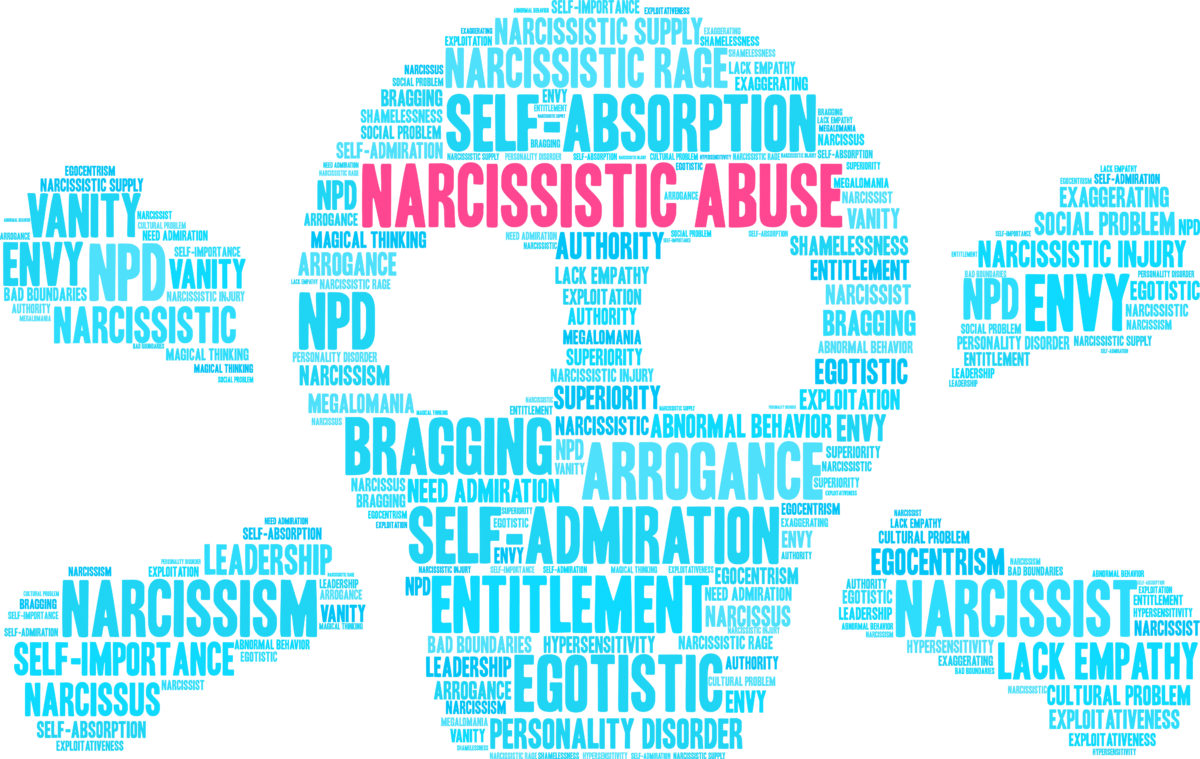
Hardcore narcissists are very unlikely to change, and remaining entangled with them can be harmful. Seek support whether through therapy, support groups, or trusted friends because having an external perspective helps maintain clarity. Recognizing a narcissist’s warning signs can help protect against their manipulative tendencies in friendships and intimate relationships. These individuals often create toxic, one-sided dynamics that leave others emotionally drained so the best approach is to set strong boundaries and avoid engaging in their mind games. While some people may attempt to ‘fix’ or change a narcissist, the reality is that their patterns are very deeply ingrained, making it essential to prioritize your self-preservation rather than trying to change their behaviour.
© Nigel Beckles 2025