
The Black Sheep, Abuse & Dysfunctional Families
“Family is supposed to be our safe haven. Very often, it’s the place where we find the deepest heartache.” — Iyanla Vanzant, American Inspirational Speaker, Author, & Life Coach

Introduction
This post is longer than my usual blog entries, but the topic of being the Black Sheep in a dysfunctional family, especially where abuse has been present, deserves to be explored thoroughly. The following information explores toxic experiences many people have carried silently for years or who are still suffering with emotional trauma. I have conducted a great deal of research on these topics, as being estranged from my immediate family had impacted me in ways I did not fully understand until quite recently. Connecting the dots between emotional neglect, relational trauma, and the poisonous dynamics those of us from toxic families endure has been a very enlightening journey. The creation of the so-called “Black Sheep” or “Scapegoat” in a family is rarely accidental but often stems from deep, unresolved dysfunction within the household system. Think of the family as a living, breathing organism; when something goes wrong internally, the organism may try to protect itself by casting the blame on one part to preserve the illusion that the rest of it is healthy, and that’s where the Scapegoat is introduced.
For many families, especially those with narcissistic or emotionally immature dynamics, blame becomes currency. Instead of dealing with core issues like trauma, neglect, generational shame, or unmet emotional needs, it’s psychologically easier, or safer, to pin it all on one person. Often, this is a child who is more sensitive, intuitive, outspoken, or simply different from the rest. That child becomes the emotional lightning rod for the family’s unresolved chaos. They’re blamed for disruptions, labelled as “too much,” “too dramatic,” “too emotional,” or “never good enough.” Not because they are, but because the family needs someone to absorb the discomfort that no one else wants to face.
“The Black Sheep is not the problem child. They are often the most emotionally honest member of the family, punished for refusing to uphold the family’s illusions.” — Dr. Lindsay C. Gibson, Adult Children of Emotionally Immature Parents
Interestingly, the scapegoated individual often has traits that expose what the family doesn’t want to see in themselves. They might question unhealthy patterns, point out double standards, or simply refuse to play along with the family’s unspoken rules of silence, denial, or emotional suppression. The Black Sheep of the family is often shunned or vilified for telling the truth because their honesty disrupts the carefully maintained family narrative. In many malfunctioning households, silence, denial, and image preservation are used as tools to avoid accountability or protect the status quo. When they speak up, especially about mistreatment, favouritism, or emotional neglect, this threatens the fragile façade, becoming inconvenient, even dangerous, because it exposes what others would rather ignore or try to justify.
Rather than confronting reality, the family may project shame and blame onto the truth-teller, casting them as disloyal or dramatic when they are simply willing to voice what others are unwilling to say. For this, they are punished, not always overtly, but through exclusion, criticism, dismissiveness, and blame that gets baked into the family culture over time. This dynamic can be reinforced across years, even decades, because once a role is assigned in a dysfunctional family, it becomes self-perpetuating. The scapegoat may grow up internalizing that they are defective or unlovable, often carrying this narrative into adult relationships. Meanwhile, the rest of the family may cling to the belief that the target is the ‘problem’, allowing them to avoid taking any personal responsibility.
The Golden Child

“The Golden Child is not loved for who they are, but for what they represent to the parent—proof that the parent is good, successful, or superior.” — Shahida Arabi, Adult Survivors of Narcissistic Abuse
If siblings are involved, there can be one person who complies, conforms, and brings pride to the dysfunctional family system, being praised for their achievements, obedience, charm, or a seemingly perfect temperament, but underneath that praise lies conditional love, which is usually performance-based. These individuals are rewarded not for who they truly are, but for reflecting the parent’s idealized image of success or acceptability, becoming the family’s ‘proof’ that everything is fine. In many cases, they’re subtly pressured to deny uncomfortable truths, ignore red flags, or stay loyal to family myths, so speaking up or standing up for a scapegoated sibling would threaten their status and the entire emotional ecosystem. The Golden Child may become a high-achiever, a people-pleaser, or someone who struggles with authenticity. Because their worth was tied to performance or approval, they may fear failure or feel like an impostor. Deep down, some golden children grapple with an identity, while others may remain loyal to the toxic family narrative, defending dysfunctional behaviours because it protects their place in the system. The Scapegoat, on the other hand, is often the one who doesn’t conform. They may question authority, notice hypocrisy, or feel things too deeply. Their emotional honesty or sensitivity makes them a threat to the family’s fragile equilibrium, so they are cast out—not necessarily physically, but emotionally by being blamed, criticized, ignored, or misunderstood.
Sometimes they’re seen as the troubled one, even when they’re reacting normally to an abnormal situation, and these roles often carry over into adulthood, but someone who has experienced this type of abuse can refuse to accept playing a particular role. The scapegoated child often becomes the truth-teller, the empath, or the cycle-breaker, but that often comes with a price; they may carry deep emotional wounds, struggle with low self-esteem or trust issues, and feel like they’re always on the outside looking in. In adulthood, they may find themselves drawn into unhealthy relationships where the scapegoat role is unconsciously replayed as the person who is always being blamed or misunderstood.
The Divide and Rule Strategy
In dysfunctional families, particularly where narcissistic or emotionally immature parenting is present, it is common for a parent to pit siblings against one another by assigning rigid roles. This tactic is intentional; it is a calculated form of control, as by creating conflict or rivalry, the parent ensures they remain the central authority and emotional focus. A toxic parent may pit siblings against each other, especially through Golden Child and Black Sheep roles, because:
- It allows the dysfunctional parent to maintain control by dividing the siblings and preventing unity or resistance.
- By assigning roles, like the obedient Golden Child and the questioning Black Sheep, the parent manipulates each child to serve their emotional needs in different ways.
- Turning siblings against each other distracts them from focusing on the parent’s toxic behaviour; instead, they focus on competing or defending themselves.
- It reinforces the parent’s power by creating dependency, where the Golden Child seeks approval and the Black Sheep seeks fairness or truth.
- This dynamic feeds the parent’s ego, allowing them to feel superior or ‘needed’ while avoiding accountability for the emotional chaos they’ve created.
The Golden Child is often rewarded for loyalty, obedience, or validation of the parent’s ego, while the Black Sheep is punished for independence, being honest, or emotional authenticity. This division distracts the siblings from recognizing the parent’s harmful behaviour and prevents them from uniting against the dysfunction while keeping the focus away from the real problem, the parent. This ‘divide and rule’ strategy can turn into an emotional competition, and over time the manipulation fosters confusion, resentment, and isolation while protecting the parent from accountability.
Narcissistic Parents & The Black Sheep

“The child cast as the Black Sheep is often scapegoated not because they’re flawed, but because they refuse to conform to dysfunction.” — Dr. Ramani Durvasula, Clinical Psychologist & Author
When a parent is narcissistic, the family system often becomes a place where control, image, and emotional manipulation take center stage. Everything, and everyone, revolves around preserving the narcissistic parent’s sense of superiority, control, or self-importance. Love becomes conditional, emotions are controlled, and instead of warmth, a person is given a role that is usually very rigid. These roles are not based on who the children (or adults) truly are but on how well they serve the narcissistic parent’s ego, and this is where the Scapegoat, or the “Black Sheep”, is created. This child is the one who frequently ends up carrying the emotional burden of the entire family, even if they’re the most self-aware or emotionally intelligent one in the group. They are the target, the one who is blamed when things go wrong, called “too sensitive” when they express discomfort, or labelled ‘difficult’ when they push back against dysfunction.
Their role is chosen deliberately because in families with narcissistic parents, scapegoating is a strategy, a defence mechanism, and a way to displace shame. The parent cannot admit wrongdoing or face their own flaws, as this would shatter the grand illusion they’ve built around themselves. So instead, they project those failings onto someone else, and that person becomes the mirror that reflects everything the parent does not want to see in themselves. If they feel insecure? The child is told they are a disappointment. If the parent feels emotionally volatile? The child is accused of causing drama. Blaming is used to avoid accountability while using emotional sleight of hand. Characteristics of a the Scapegoat includes:
- May be emotionally intense, empathetic, or insightful, which makes them harder to manipulate.
- Question the family narrative, notice inconsistencies, or challenge unfair treatment.
- Might be the Truth-Teller, and truth in a narcissistic system is dangerous.
- Often compared unfavourably to the ‘Golden Child’ — the sibling who conforms, flatters, and does what is expected.
- May be punished more harshly or subjected to emotional, verbal, or even physical abuse.
Over time, the child can start to internalize the idea that they are broken, bad, or not good enough. Even when they escape the family physically, the emotional residue can linger: self-doubt, low self-worth, people-pleasing, fear of conflict, or a tendency to attract controlling partners later in life. The target of subtle mistreatment or outright abuse is not usually a bad person despite what they have been told but someone who has woken up to the reality of their family, personal history, and, for some people, acknowledging feelings of torment.
Abuse Enablers

“An Enabler is often someone who’s been emotionally conditioned to believe that protecting the abuser is more important than protecting the truth.” — Beverly Engel, Author
At first glance, the Enabler may not look like they’re doing anything ‘wrong’ and may even appear to be kind, loyal, or peace-loving, but beneath the surface, their role is deeply entangled in the family’s dysfunction, and they play a key part in keeping toxic dynamics alive. This is someone who, whether knowingly or not, supports the abuser, usually the narcissistic parent, by justifying, excusing, covering up, or minimizing harmful behaviour. They will say things like:
- “That’s just how Dad/Mum is. They don’t really mean it.”
- “You’re being too sensitive.”
- “Why can’t you just let it go?”
- “Stop causing drama! We were having a good time until you brought this up.”
In other words, they do not directly abuse, but they protect the abuser by invalidating the person who’s being harmed. When the enabler is a sibling or close relative, the betrayal cuts even deeper because this is not just a stranger excusing bad behaviour but someone who grew up beside you, who saw the same things you saw. Maybe they even experienced the dysfunction themselves, but instead of standing beside you, they align with the parent, whether for survival, approval, or a desire to maintain the illusion of a ‘normal’ family. They do this for several reasons:
- Survival Instinct: In a household where love is conditional and punishment is harsh, some siblings learn early that the safest path is to align with power. By siding with the narcissistic parent, they avoid becoming a target themselves.
- Favouritism: They may be the “golden child,” the one who is idealized, praised, and rewarded for their loyalty. Their identity becomes fused with pleasing the parent, so challenging that dynamic feels threatening — even dangerous.
- Fear of Conflict: Some enablers are terrified of confrontation. Keeping the peace becomes their number one priority, even if that means Gaslighting or silencing the sibling who speaks up.
- Emotional or Financial Dependence: In some cases, the Enabler has been emotionally groomed to believe they need the toxic parent for love, validation, financial support, or even a promised inheritance, and they cannot risk losing that connection.
It is important to understand their behaviour can be just as damaging as the abuser’s; they may not scream, control, or humiliate, but they will deny your reality and consciously rewrite history. They can make you question your memories, your feelings, and your sanity, and in doing so, they become an extension of the original abuse. For the person who has been abused, interacting with someone who ignored or even encouraged their suffering can feel like hitting a wall of indifference or emotional betrayal. However, many Enablers are not necessarily evil but have been deeply conditioned, with some who do not even realize what they are doing stuck in a continuous loop of denial. That does not excuse their actions, but it can explain why breaking the cycle of emotional manipulation is often difficult for some people.
“The time has come to lay that baggage down and leave behind all the struggling and striving. You can be set free as you journey forward into a balanced, healthy, and rewarding future.” — Sue Augustine, When Your Past Is Hurting Your Present: Getting Beyond Fears That Hold You Back

Recognizing the designated ‘Black Sheep’ role for what it is can often be the first step toward liberation, and if this article resonates with you, understand that you’re not alone. I have experienced this with a sibling, and many people have had to go through the painful process of grieving the family they wish they had while setting boundaries with the one they do have. For the person who was scapegoated or abused, interacting with Enablers can feel like hitting a wall of indifference or emotional betrayal. Recovery does not involve attempting to get other relatives to understand your perspective or even reconciling with estranged family members but is about reclaiming your life to the fullest and giving yourself permission to be truly authentic instead of people-pleasing just to keep the peace.
Recommendations
“The time has come to lay that baggage down and leave behind all the struggling and striving. You can be set free as you journey forward into a balanced, healthy, and rewarding future.” — Sue Augustine, When Your Past Is Hurting Your Present: Getting Beyond Fears That Hold You Back
While it may have felt like a curse back in childhood or even now in adulthood, once what has happened is seen for what it truly is, this can become a path toward deep personal transformation. Recognizing the designated ‘Black Sheep’ role for what it is can often be the first step toward liberation, and if this article resonates with you, understand that you’re not alone. I have experienced this with a sibling, and many people have had to go through the painful process of grieving the family they wish they had while setting boundaries with the one they do have.
Recovery does not involve attempting to get other relatives to understand your perspective or even reconciling with estranged family members but is about reclaiming your life to the fullest and giving yourself permission to be truly authentic instead of people-pleasing just to keep the peace. Healing the experience of being from a dysfunctional or narcissistic family means rejected the toxic role that was never truly yours to begin with and rebuilding a life rooted in truth, self-compassion, and freedom. Below are some recommendations to support recovery:
Acknowledge What Happened
Clearly recognize you were unfairly blamed, shamed, and emotionally side-lined. Healing starts with telling yourself the truth, even if others never validate it.
Stop Internalizing Blame
Remind yourself daily that you were not the problem but were cast into a role that served the dysfunctional aspects of your family. Their mistreatment says more about their issues than your worth. It can slow down healing, erode confidence, and reinforce isolation if you continue blaming yourself.
Grieving the Idealized Family
Mourn the version of family you wished you had but never experienced. Grieving is painful, but it’s also freeing and creates space for acceptance.
Set Firm Boundaries
Boundaries are not punishments but protections, and you have the right to say no, reduce communications, or go completely No Contact to protect your peace without apology.
Rebuild Your Identity
The Scapegoat/Black Sheep label was never who you really were, so embark on rediscovering your passions, beliefs, voice, and values.
Cultivate Self-Compassion
You may carry deep wounds of inadequacy, but none of that belongs to you, so speak kindly to yourself and practice self-care.
Celebrate Your Resilience
You survived emotional exile and probably emerged with a greater sense of empathy, depth of character, and personal strength, so hold your head high.
Create Your Own Family
Seek out people who truly see you who can be friends, mentors, or soul connections. Healing accelerates in spaces where you feel respected, affirmed, and validated.
Educate Yourself
Learn about family roles in narcissistic or abusive systems. Understanding terms like Gaslighting, triangulation, and emotional enmeshment can help make sense of your experiences. I found educating myself on these topics to be very empowering.
Seek Professional Support
A trauma-informed therapist, coach, or support group can help you deconstruct the damage, reframe your narrative, and learn healthier relational patterns.
“The greatest win is walking away and choosing not to engage in drama and toxic energy at all.” ― Lalah Delia, Author, Certified Spiritual Practitioner & Wellness Educator
If you have carried the burden of being the Black Sheep for months or even years, it is really time to lay it down because your story doesn’t end with rejection. You did not deserve to be cast out but were simply the person who saw the truth, and often truth-tellers get punished by family systems built on denial. Recovery can be painful and challenging, especially if the rest of the family clings to the old, dysfunctional dynamics, but it can also be a powerful and freeing journey toward clarity and personal peace.
© Nigel Beckles
Recommended Resources
Facebook Groups:
Black Sheep of the Family
https://www.facebook.com/groups/1141301659710021
Reflections on Abusive Relationships (ROAR)
https://www.facebook.com/groups/345647708793378
Books on Amazon
Toxic Parents: Overcoming Their Hurtful Legacy and Reclaiming Your Life by Dr. Susan Forward A classic in the field, this book lays out how toxic parenting, including manipulation, blame, and emotional neglect affects adult children. Those who were cast as the problem in the family system will find clear language for their experiences here. https://shorturl.at/zTvFl
Adult Children of Emotionally Immature Parents: How to Heal from Distant, Rejecting, or Self-Involved Parents by Lindsay C. Gibson, Psy.D. This book explores the emotional wounds left by parents who lack empathy, maturity, or the ability to truly connect. It provides validation for those who’ve often felt misunderstood, cast aside, or labelled as the problem child in the family. https://shorturl.at/AibSb
It Didn’t Start With You: How Inherited Family Trauma Shapes Who We Are and How to End the Cycle by Mark Wolynn For Black Sheep who feel like they’re carrying emotional weight no one else in the family seems to notice, this book explores how family trauma can be unconsciously passed down and how it often lands hardest on the most emotionally aware member of the family. https://shorturl.at/68I6j
Coming Soon…

In my second book I draw not only from my background as a certified relationship coach and workshop facilitator supporting other people but also from my experience of being rejected by my own family. It includes real stories from real people who have endured controlling, manipulative, and emotionally damaging relationships. Their contributions are raw, vulnerable, and honest, reminding us that abuse doesn’t always leave physical bruises and that emotional healing starts with clarity and self-trust. Whether you have been in a toxic relationship, struggled with feeling unseen or dismissed within your family, or you simply want to break the cycle for good, this book will be for you. This message of hope is for anyone ready to live life on their own terms, free from manipulation, fear, or emotional confusion.
How to Avoid Making the Big Relationship Mistakes!
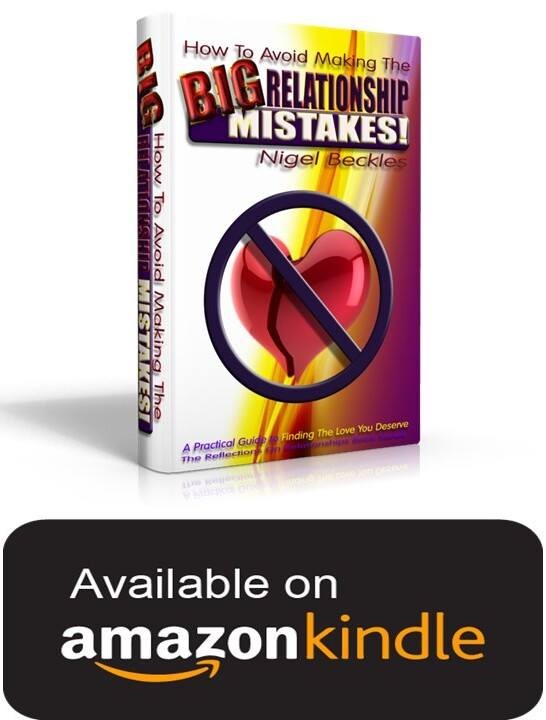
Available @ Amazon
Kindle Edition https://www.amazon.co.uk/How-Avoid-Making-Relationship-Mistakes-ebook/dp/B016ANTTFC
Podcast Interesting Conversations with Interesting People
Featuring Interviews with Award Winning Authors, Therapists, Relationship/Life Coaches and a wide variety of people with intriguing stories to share.