
Abusive Parents
“People can forgive toxic parents, but they should do it at the conclusion – not at the beginning – of their emotional housecleaning. People need to get angry about what happened to them. They need to grieve over the fact that they never had the parental love they yearned for. They need to stop diminishing or discounting the damage that was done to them.” ― Susan Forward, Toxic Parents: Overcoming Their Hurtful Legacy and Reclaiming Your Life

After I published my previous article earlier this month regarding passive-aggressive behaviour (https://authornigelbeckles.com/2024/05/12/https-authornigelbeckles-com-passive-aggressive-behaviour/), someone contacted me online and explained they were currently having severe difficulties with certain members of their family. This is a topic that, in my opinion, is not discussed enough, and having experienced emotional abuse from certain relatives myself, I thought sharing my observations would be helpful to others who have faced similar challenges.
The following is an explanation, not a summary of excuses for the toxic mistreatment of others. A parent’s abusive actions can often stems from a complex interplay of personal history, psychological factors, and environmental influences. One significant factor is the parent’s own upbringing. Parents who were abused or neglected as children may internalise their experiences as being normal and perpetuate the cycle of abuse with their own children. Psychological issues such as unresolved trauma, depression, anxiety, or personality disorders can also contribute to abusive tendencies. These issues might cause a parent to project their own pain and frustration onto their children. Stress and external pressures, such as financial difficulties, relationship problems, or a lack of social support, can intensify a parent’s tendency to be abusive. When overwhelmed by these stressors, a parent may become abusive in a misguided attempt to regain a sense of control. Substance abuse may also be a factor, as this can impair judgement, lower inhibitions, and increase the likelihood of violent or neglectful parenting.
“Our background and circumstances may have influenced who we are, but we are responsible for who we become.” – Barbara Geraci
It is possible cultural and societal influences can also play a role where violence or strict authoritarianism are normalised and parents adopt abusive practices, believing them to be acceptable or necessary for discipline. Additionally, a lack of awareness or understanding regarding healthy parenting techniques can lead to the use of harmful behaviours. In essence, abusive parenting is rarely the result of a single cause but rather the outcome of multiple contributing factors, often deeply rooted in the parent’s childhood experiences, psychological state, and current life circumstances. Therapy, support networks, and education can address these underlying issues, provided the parent is prepared to acknowledge that their abusive conduct is unacceptable.
Enablers
“Life isn’t hard, it’s the certain people in your life that make it hard.” ― Lorelei Balansa, Author
These individuals can play a significant role in perpetuating and sustaining parental abuse, often without fully realising the extent of their impact. These individuals may be other family members, friends, or even community members who, through their actions or inactions, allow the abuse to continue unchecked. One way enablers contribute to parental abuse is by denying or minimising the severity of the abuse. They might downplay the abuse, thereby normalising the behaviour and preventing the abuser from facing any potential consequences. Denial creates an environment where the abusive parent feels justified and empowered to continue their harmful actions. Enablers can also contribute by refusing to intervene or taking action to protect the victim. Inaction can stem from fear, ignorance, or a misguided sense of loyalty to the abuser; their inaction indirectly supports the perpetrator and sends a message that the abuse is tolerable or even acceptable. In other cases, enablers may actively defend or make excuses for the abusive parent. They might rationalise the abuse by claiming external stress factors such as financial difficulties or personal problems, thereby shifting the blame away from the abuser. This type of defence perpetuates the abusive dynamic by providing the abuser with justification and validation for their actions. The person may be dependent on the abuser for financial support, emotional security, or social status because any kind of dependency can create a powerful incentive to ignore or support the abuse, as challenging the abuser might threaten the enabler’s own stability or well-being. In addition, enablers may contribute to the hostile treatment by discouraging the abused person from speaking or seeking help, thereby keeping the abusive conduct hidden and unchallenged. Isolation makes it more difficult for the victim to escape the abusive situation or receive the support they need. Their tacit acceptance of abuse creates an environment in which mistreatment can thrive. Addressing the role of an enabler can be challenging, and it may be better to cease any type of contact.
Abusers Playing the ‘Victim’
“It’s easier to play the victim when you’re not the mastermind behind all your bad decisions.” H.D. Carlton, Haunting Adeline
Abusive parents and other abusers often play the victim when confronted about their behaviour as a manipulative tactic to deflect blame, avoid accountability, and maintain control. Perpetrators typically have an inflated sense of self and an inability to accept fault. When confronted, they may experience a narcissistic injury, a threat to their self-image that they find intolerable. To protect their egos, they deflect blame onto the actual victim, portraying themselves as the wronged party. This is a form of psychological projection, where they attribute their own negative traits or actions to someone else. Abusers often employ Gaslighting which involves making the victim doubt their own perceptions and memories. By consistently denying their abusive actions and presenting themselves as victims, abusers can make the actual victim question their reality and feel guilty or responsible for the conflict. Over time, this erodes the victim’s self-esteem and self-trust, making them more dependent on the abuser and less likely to seek help or assert their own experiences.
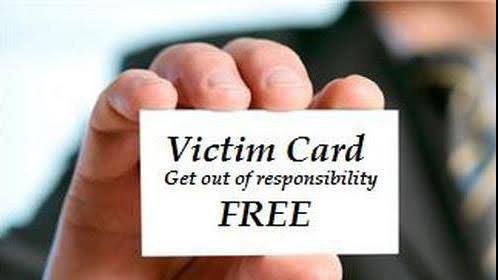
These individuals can be very skilled at manipulating narratives to their advantage. They often present a distorted version of events to friends, family, and authorities, emphasising their own suffering while downplaying or denying their abuse. The tactic often involves selective truth-telling, in which they share only parts of the story that cast them in a favorable light or outright lies to garner sympathy and support. They might also exploit societal biases or stereotypes, such as the belief that parents are inherently loving and nurturing, to make their victimhood more plausible. Another strategy involves the use of charm and charisma to win over others. Abusers can be very persuasive and likeable in public, creating a stark contrast between their public persona and how they act in private. This can make it difficult for others to believe the victim’s claims of abuse, as they only see the abuser’s positive side. In legal and institutional settings, abusers might use the system to their advantage by filing false reports or accusations against the victim, further complicating the situation and painting themselves as aggrieved parties, resulting in legal and social repercussions for the abused person and reinforcing the abuser’s control.
Recommendations
“Facing the truth about those we have loved (e.g., our parents, siblings, a treasured friend, or a spiritual leader) is unbelievably hard, but there is no glory in clinging to a lie because the truth is too painful to accept.” ― Shannon Thomas, Healing from Hidden Abuse: A Journey Through the Stages of Recovery from Psychological Abuse
When an adult experiences parental abuse, it is essential to recognize the importance of taking steps to protect their emotional and mental health, including:
Acknowledge the Abuse
The first step is acknowledging the abuse. This can be difficult, especially when the perpetrator is a parent, but identifying the abusive behaviour is essential for taking further action.
Know Your Rights
Educate yourself about your legal rights and options. In some jurisdictions, you may be able to obtain a restraining order or pursue other legal avenues to protect yourself from abuse.
Document the Abuse
Keep a record of abusive incidents, including dates, times, and descriptions of what happened. Documentation can be useful if you decide to seek legal action or need to provide evidence to support your claims.
Create a Safety Plan
If the abuse is physical or you feel your safety is at risk, develop a safety plan. This might include identifying a safe place to go, having a packed bag ready, and knowing emergency contact numbers. It’s important to have a clear plan in place in case you need to leave quickly.
Set Boundaries
Establish clear and firm boundaries with the abusive parent. Clearly communicate whatever is unacceptable and the consequences of crossing your boundaries. You cannot control another person, but you can control how long you tolerate their toxic mistreatment. Set boundaries, prioritize your peace, and remember that their actions are certainly not a reflection of your worth as a human being. Enforcing these boundaries consistently is the master key to maintaining your mental and emotional well-being.
Limit Contact
In some cases, it may be necessary to limit or cut off contact with the abusive parent which can be a difficult decision, but your personal well-being should be of paramount importance. Reducing or eliminating interactions can help you regain control over your life and reduce stress.
Seek Support
Utilise available resources, such as helplines and online forums. Reach out to trusted friends, family members, or a support group. Sharing your experiences with others can provide emotional support and guidance. There are numerous organisations and hotlines dedicated to helping individuals in abusive situations. Connecting with others who have experienced similar situations can provide validation, practical advice, and a sense of community.
Focus on Self-Care
Engage in activities that promote your physical and mental well-being. Exercise, meditation, hobbies, and spending time with supportive people can help you manage stress and build resilience.
Consider Professional Help
Therapy or counselling can be extremely beneficial. A mental health professional can help you process your emotions, develop coping strategies, and build resilience. They can also provide guidance on how to navigate your relationship with the abusive parent.
Always remember that taking action against parental abuse is a significant step towards reclaiming your life and ensuring your well-being. It’s important to prioritize your safety and mental health, even if it means making difficult decisions about your relationship with an abusive parent. I highly recommend Susan Forwards book ‘Toxic Parents: Overcoming Their Hurtful Legacy and Reclaiming Your Life’ which I found extremely helpful regarding understanding my experiences of parental abuse.
© Nigel Beckles