
Exploring Male Victims of Relationship Abuse
“As a man, any man, to be beaten by your wife is desperately humiliating and, in a way, shameful. I ended up blaming myself. I am sat in a chair being beaten by my wife and there is nothing I can do.” ― Eddie Kidd, Former Motorcycle Stuntman, UK
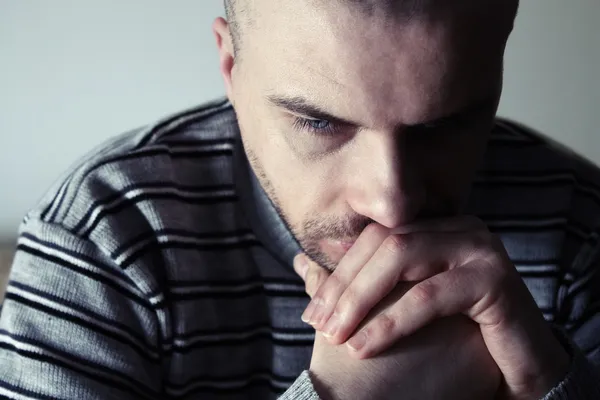
Men can and do become targets of abuse in intimate relationships, though this reality is often overlooked or dismissed in both public discourse and private life. The cultural narrative tends to frame men as protectors or aggressors, not as people who can be on the receiving end of emotional, psychological, or even physical harm. This misconception makes it harder to recognize when abuse is actually occurring. Many men who find themselves in abusive relationships often don’t realize it at first. The abuse may be subtle, escalating slowly over time, and it may clash so profoundly with their ideas of masculinity and strength that they struggle to admit even to themselves that something is very wrong. Men can be abused in many of the same ways that women can, though the expression of that abuse may differ. Here are some of the ways men may experience abuse in intimate relationships:
- Emotional Manipulation: Constant criticism, shaming, blame-shifting, and invalidation that chips away at self-esteem and confidence.
- Psychological Abuse: Gaslighting, guilt-tripping, and mind games designed to confuse or destabilize his sense of reality.
- Verbal Aggression: Yelling, name-calling, belittling, or making threats.
- Physical Violence: Slapping, hitting, throwing objects, or using physical intimidation to control or frighten.
- Sexual Coercion: Pressuring or manipulating into sexual activity without genuine consent or using sex as a weapon or punishment.
- Social Isolation: Controlling who he sees, cutting him off from friends and family, or making him feel guilty for spending time outside the relationship.
- Financial Control: Restricting access to money, sabotaging employment opportunities, or controlling spending as a form of dominance.
- Parental Alienation (in cases where children are involved): Manipulating children to turn against him or using them as leverage.
Emotional abuse can be particularly difficult for men to recognize because it often unfolds subtly over time and may not align with traditional ideas of what “abuse” looks like. Men are also less likely to be socialized to identify themselves as recipients of mistreatment in relationships, especially if the abuse isn’t physical. Yet emotional abuse can be just as damaging, chipping away at self-worth, distorting reality, and fostering a deep sense of confusion or self-blame. Several key ways emotional abuse may manifest in a romantic relationship include:
Constant Criticism or Belittling
If your partner frequently mocks your ideas, achievements, or appearance, making you feel small, inadequate, or ashamed, this is not healthy communication. Repeated put-downs, especially those disguised as sarcasm, are often used to undermine confidence.
Gaslighting
This is a psychological tactic where the abusive partner denies your reality to make you doubt your own memory, perception, or sanity. If you’re often left questioning whether something actually happened, or you find yourself apologizing constantly even when you’re not sure why, you may be experiencing Gaslighting.
Emotional Withholding
A partner who regularly withdraws affection, gives the silent treatment, or withholds emotional intimacy as a form of punishment or control may be engaging in abusive behaviour. Emotional abandonment, where you’re physically together but emotionally starved, can be just as hurtful as overt aggression.
Control Disguised as Concern
While healthy partners care about your well-being, abusers often use the pretense of being ‘concerned’ as a cover for control. They may monitor your phone, ask where you are constantly, discourage certain friendships, or make you feel guilty for wanting time on your own.
Shaming and Guilt-Tripping
Emotional abusers often use guilt as a tool. They may frame you as selfish for having needs or desires or make you feel responsible for their emotions and actions, especially their anger or sadness. If you frequently feel guilty simply for asserting yourself, that’s a red flag.
Emotional Highs and Lows (Push-Pull Dynamic)
If your partner swings unpredictably from affection to coldness, praise to contempt, or intimacy to distance, often without clear cause, this can create emotional confusion and dependency. It trains you to constantly seek approval and walk on eggshells.
Threats and Ultimatums
Although they may not be violent, threats like “If you leave me, I’ll hurt myself” or “You’ll never see the kids again” are forms of coercive control. These tactics exploit fear and obligation to keep you emotionally tethered.
Emotional abuse doesn’t leave visible scars, so it is often dismissed or minimized by both the person experiencing it and the people around them. Many men also fear being disbelieved, ridiculed, or seen as weak if they speak up, and society in general still associate’s abuse with physical violence or female victims, leaving men without a clear framework to name or respond to their experiences.
Failure to Recognize Abuse
“The human brain can protect us from seeing and feeling what it believes may be too uncomfortable for us to tolerate. It can lead us to deny, defend, minimize, or rationalize away something that doesn’t fit our worldview.” ― Bandy X Lee, Author
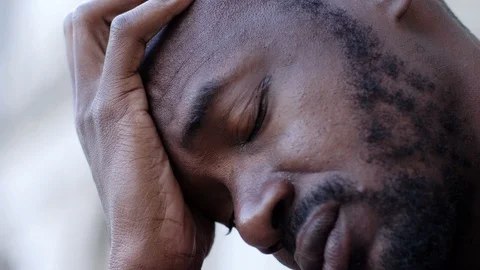
From a young age, many boys are taught either explicitly or implicitly that they must be strong, stoic, self-reliant, and emotionally restrained, while showing any vulnerability, particularly in the form of fear, hurt, or emotional pain, is often framed as weakness. When they become men, this can make them internalize abusive experiences rather than identify and address them. Many men find it incredibly difficult to tell their friends or family members that they are being abused. One of the primary reasons is shame. Admitting to abuse can feel like admitting to weakness, which runs counter to the cultural expectations many men internalize from a young age. There can also be the fear of not being believed or, worse, being mocked. When a man finds himself in an abusive relationship, whether the abuse is emotional, verbal, financial, physical, or sexual, he may first struggle to even name it as abuse. Why? Because acknowledging that someone is harming you requires first recognizing that you’re being hurt, and that pain, in turn, bumps up against the deeply internalized belief that ‘real men’ are not supposed to be victims of harm, especially not by someone they love or trust. This creates a toxic internal conflict; on one hand, the man may feel trapped, belittled, manipulated, or even physically unsafe, but alternatively, he may carry immense shame about finding himself in this type of situation in the first place.
That shame, combined with the fear of being dismissed, ridiculed, or not believed, keeps many men silent. And when they do speak out, responses like “you’re a man, how bad can it be?” or “just leave her” can be invalidating or deeply wounding, which only reinforces the belief that no one will take them seriously. Additionally, some men worry about their identity being questioned, especially if the abuse does not fit the traditional script of what abuse should ‘looks like.’ For instance, if the partner is not physically violent but instead manipulates finances, isolates them from support networks, or constantly undermines their self-worth, these behaviours can be dismissed as minor annoyances instead of the serious red flags they truly are. People generally struggle to grasp the reality of men suffering abuse, supported by deeply entrenched attitudes that shape how men are ‘supposed’ to behave, resulting in some victims being laughed at, disbelieved, or dismissed. Consequently, there are those who are reluctant to report the abuse, fearing legal repercussions because they will usually be assumed to be the aggressor, especially if they have reacted defensively, leaving many men suffering in silence. The reality is abuse does not discriminate by gender, and all people, regardless of how they identify, deserve to be safe, respected, and free from harm in their relationships. If you feel constantly on edge, drained, ashamed, and confused or second-guess your worth, these are usually major red flags that are very reliable because abuse does not have to be aggressive to be real. Recommendations include:
- Acknowledge the Abuse: Recognizing that what’s happening is abusive is a crucial first step, even if it doesn’t fit traditional stereotypes of abuse.
- Document Incidents: Keep a private record of abusive events, including dates, times, what happened, and any witnesses or evidence.
- Avoid Escalating Conflicts: If possible, disengage safely from heated situations rather than responding with anger or force, which could be misinterpreted.
- Safety Plan: If the relationship feels dangerous or unstable, start planning an exit strategy, especially if children are involved. This may include finding a safe place to stay or speaking with a legal advisor.
- Seek Support: Speak to a trusted friend, family member, or support group for men. There are confidential resources that understand these situations. Working with a counsellor who understands abuse dynamics can be vital in rebuilding confidence, navigating the relationship, or processing trauma.
Closing Thoughts
“There are far too many silent sufferers. Not because they don’t yearn to reach out, but because they’ve tried and found no one who cares.” ― Richelle E. Goodrich, Author
Men can experience abuse in relationships, but due to social stigma, gender norms, and fear of disbelief, many suffer alone and in silence. Abuse against men can take many forms, including emotional, psychological, physical, sexual, and financial, that can often go unrecognized even by the men themselves. Cultural expectations around masculinity can prevent them from seeking help or disclosing the truth. Healing begins when you stop making excuses for behaviour that hurts and start making space for something better, even if that means being alone for a while. Reaching out for support and seeking safe, professional guidance can help break the cycle and begin the recovery process. If you are a man suffering abuse, understand that men can stay in toxic relationships due to feelings of guilt, obligation, or a fear of being seen as the ‘bad guy’ for walking away; however, choosing peace over chaos is not abandoning someone but all about saving yourself.
© Nigel Beckles

